" alt="Advancing accessibility and inclusion at the Ettore Guatelli Museum, Italy">
©All rights reserved Lesley Frowick, 1988
Advancing accessibility and inclusion at the Ettore Guatelli Museum, Italy
Grantee: Fondazione Museo Ettore Guatelli
Location: Italy, Europe
Grant Cycle: 2026
Type of Grant: one-year program support,
Promotion of Arts & Culture
Website: museoguatelli.it
Promotion Of
Arts & Culture
The Fondazione Museo Ettore Guatelli was established in 2003 to safeguard, promote, and transmit the cultural and human legacy of Ettore Guatelli (1921-2000), an elementary school teacher, collector, and self- taught intellectual who devoted much of his life to documenting and preserving the material culture of rural, artisanal, and popular communities.
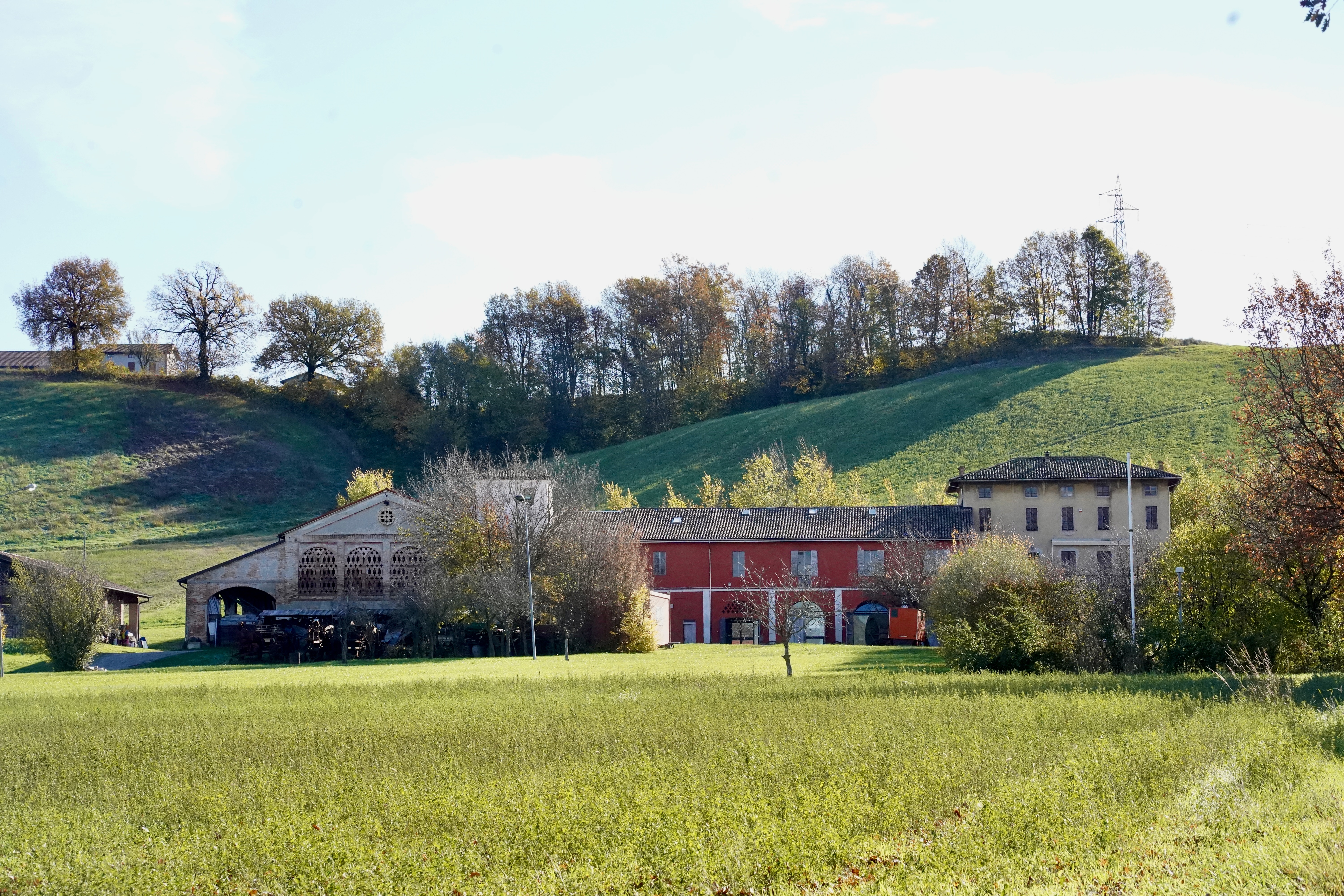
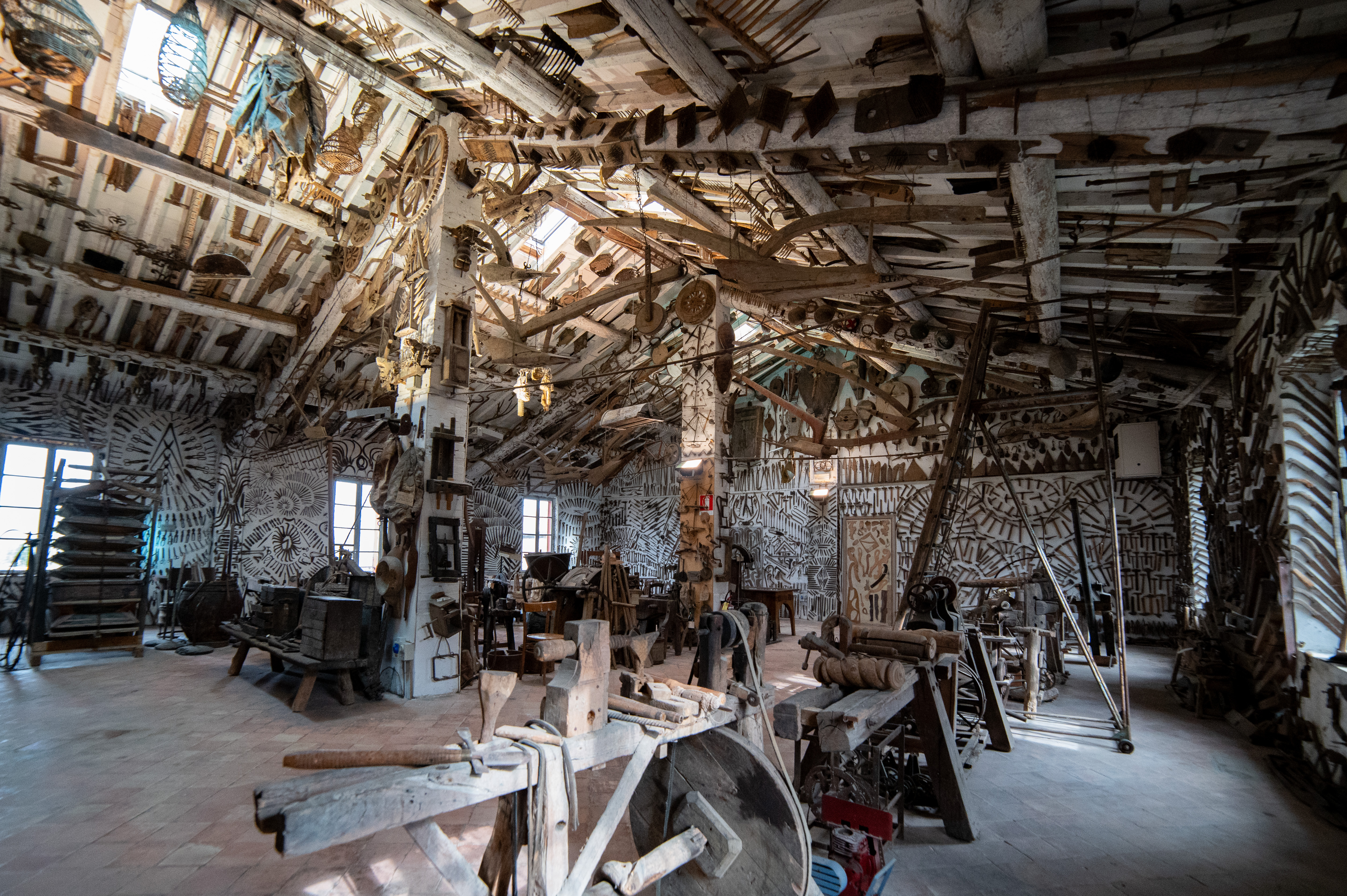
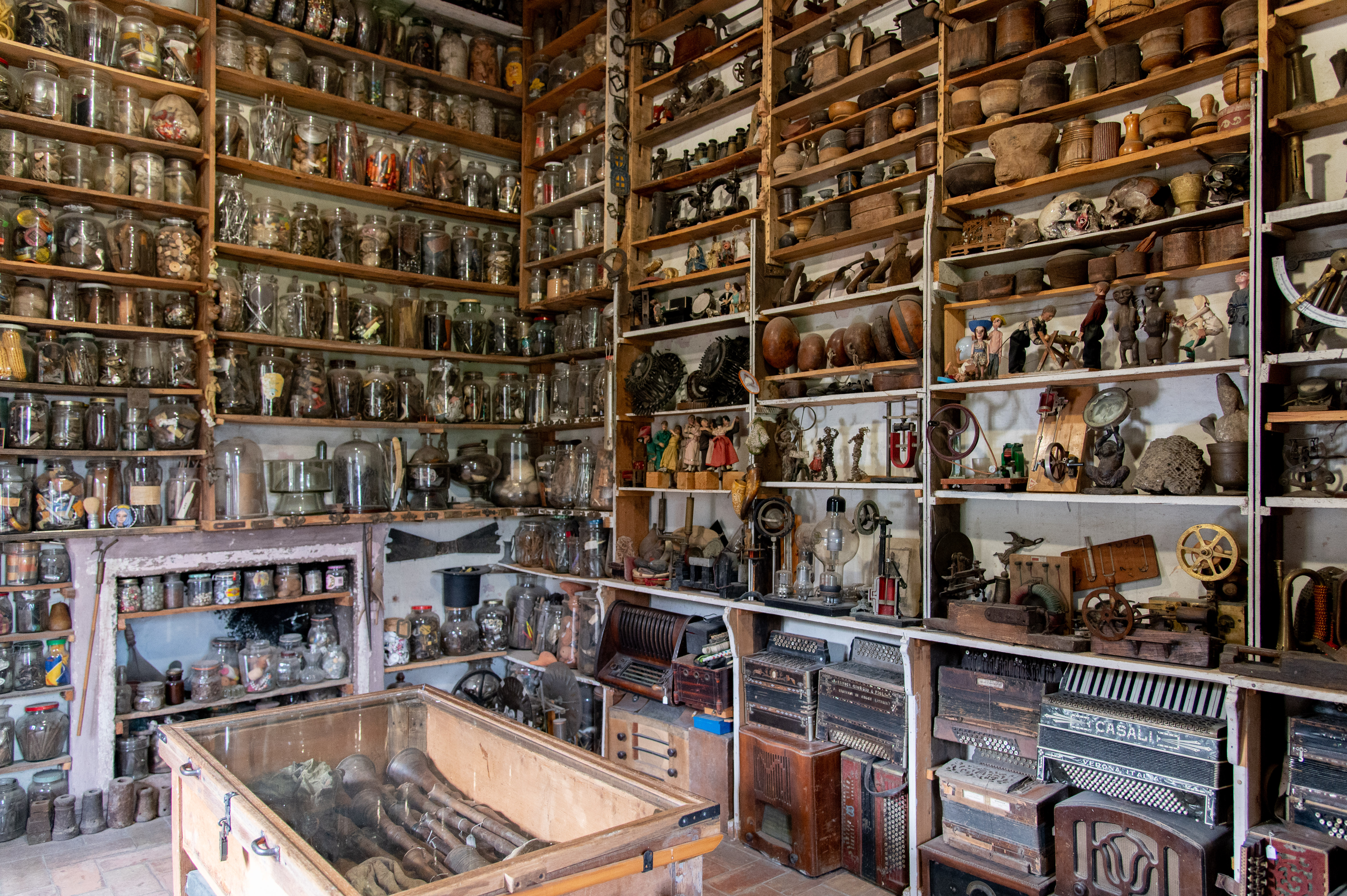
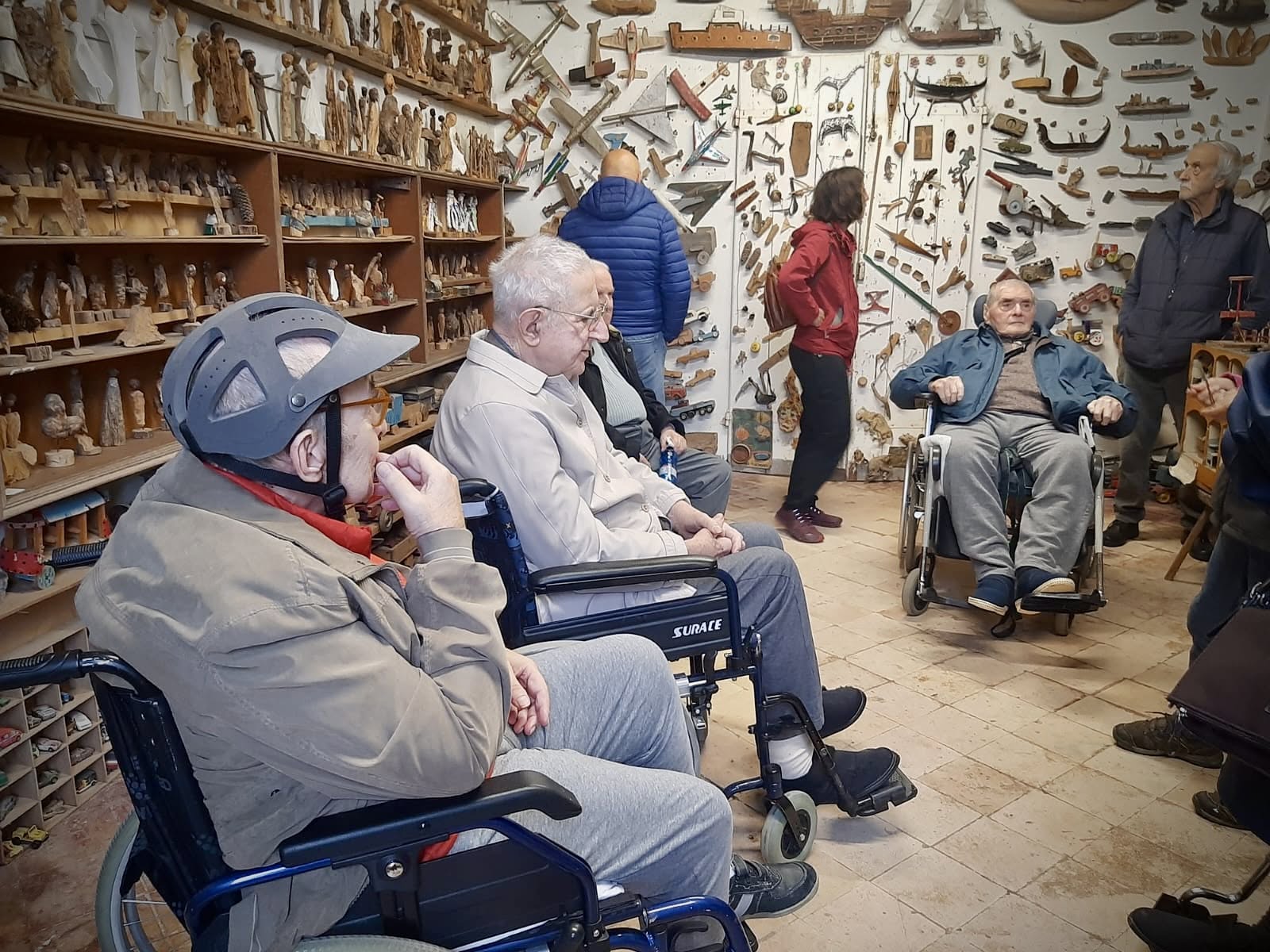
Beginning in the 1950s, Guatelli collected tools, handmade objects, work instruments, and everyday items at a time when rapid industrialisation and social change were making many of them obsolete. Today, the collection comprises more than 60,000 objects, conceived not simply as artefacts but as traces of the gestures, skills, labour, ingenuity, and relationships that shaped everyday life. Guatelli arranged the collection in his own house in Ozzano Taro, near Parma, transforming its walls and rooms through distinctive installations in which even the humblest objects acquire cultural and narrative significance. Following his death, the Museum was officially recognised as a cultural heritage site, and the Foundation was created to ensure its preservation and long-term development while maintaining the spirit of Guatelli’s original vision.
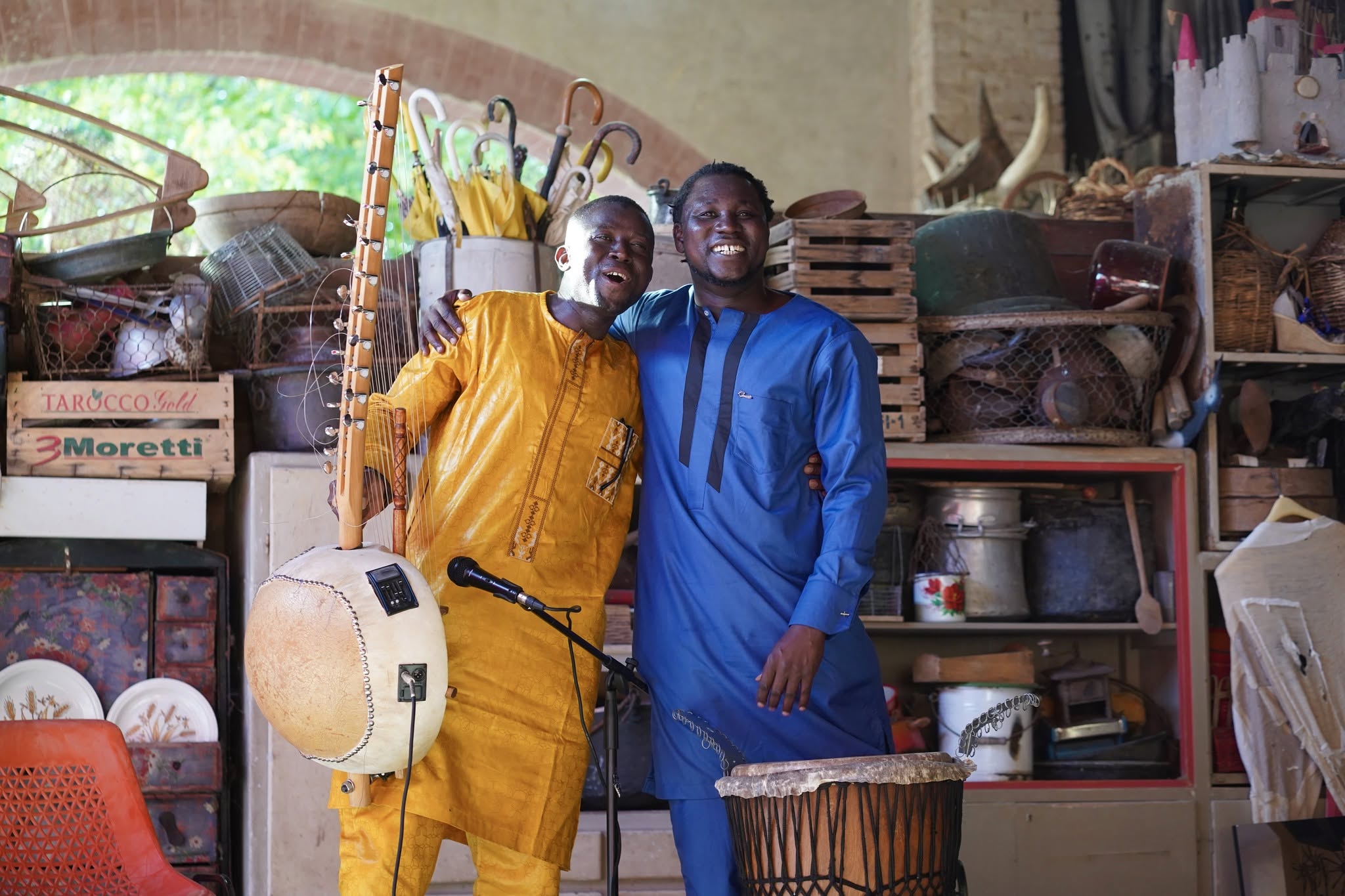
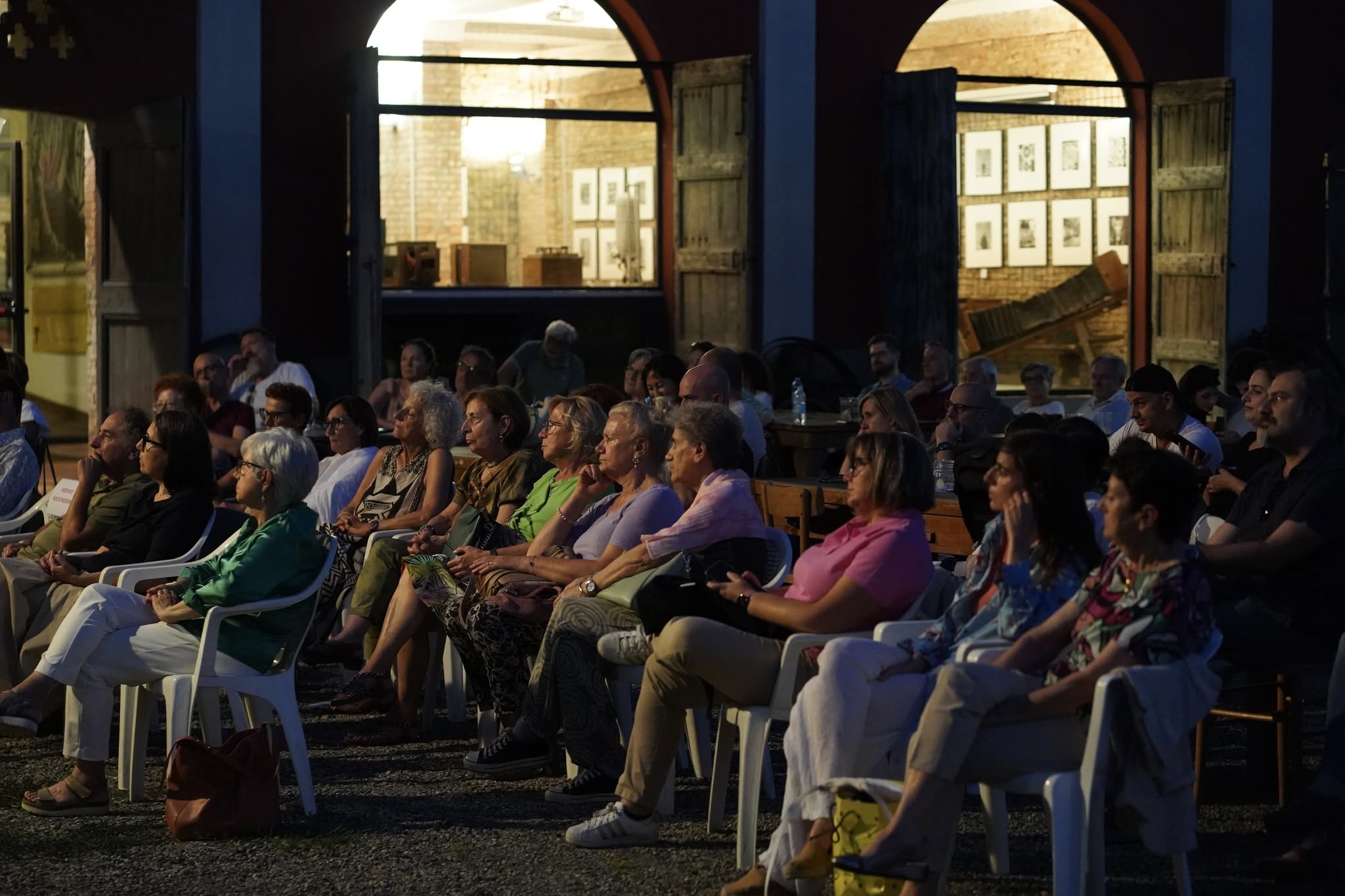
Today, the Ettore Guatelli Museum preserves both the material and intangible heritage associated with the collection while serving as a space for research, education, and cultural exchange. Through its objects and the stories they embody, the Museum encourages reflection on labour, memory, human relationships with the environment, and the knowledge embedded in local cultures. These themes also provide a lens through which to explore contemporary questions surrounding sustainability, the circular economy, resourcefulness, and the relationship between people and nature.
The inclusive values embodied by the collection, however, are not yet fully reflected in the physical and digital accessibility of the Museum. Its historic buildings were originally designed for purposes other than museum use and were subsequently adapted to accommodate the collection. Steps, thresholds, changes in level, and differences in height along visitor routes can therefore restrict autonomous and safe access for people with disabilities or reduced mobility. At the same time, the architectural character and heritage constraints of the site mean that some barriers cannot simply be removed without affecting the integrity and identity of the Museum. Further limitations concern aspects of the visitor experience and digital access, which do not yet respond fully to the needs of diverse audiences.
In line with its commitment to the promotion of Arts & Culture and its broader focus on equity and inclusion, the Nando and Elsa Peretti Foundation (NaEPF) supports a project designed to make the Museum and its cultural heritage more accessible to all. The initiative combines targeted structural adaptations to improve on-site accessibility for people with disabilities and reduced mobility with the development of new digital resources, including an accessible website, an online archive, and a virtual tour, extending access to the collection beyond the physical boundaries of the Museum.
The project approaches accessibility not as an ancillary technical requirement, but as an integral part of the right to participate in cultural life. By improving physical access while creating alternative ways to experience and engage with the collection, the initiative seeks to reconcile the protection of a distinctive heritage site with the diverse needs of its audiences.
More broadly, the project represents the beginning of a long-term process through which the Fondazione Museo Ettore Guatelli aims to embed accessibility more deeply within the Museum’s infrastructure and cultural practice. In doing so, it brings together heritage conservation, social responsibility, and inclusion, strengthening the relationship between the Museum and its communities and helping ensure that Guatelli’s extraordinary legacy can be experienced, studied, and reinterpreted by an increasingly diverse public.