

 " alt="Historical partnership with Associazione 21 luglio to overcome mono-ethnic settlements in Italy">
© All rights reserved Stefano Sbrulli
" alt="Historical partnership with Associazione 21 luglio to overcome mono-ethnic settlements in Italy">
© All rights reserved Stefano Sbrulli
Historical partnership with Associazione 21 luglio to overcome mono-ethnic settlements in Italy
Grantee: Associazione 21 luglio ETS
Location: Italy, Europe
Grant Cycle: 2014 – 2028
Type of Grant: historical partnership, Human Welfare & Rights
Website: 21luglio.org
Human Welfare
& Rights
Founded in Rome in 2010, Associazione 21 luglio ETS works to defend the rights of children and families affected by segregation and discrimination, with a particular focus on Roma communities. Through community-based initiatives, advocacy, and engagement with public institutions, the association promotes a systemic approach to change by addressing the root causes of exclusion and advocating for the definitive dismantling of the Roma camp system.
Roma communities in Italy (estimated at around 180,000 people, including approximately 10,000 in severe housing insecurity) continue to face systemic discrimination, poverty, and segregation, with thousands still living in ethnically segregated camps tolerated by public authorities. Widely condemned by international human rights bodies, this system perpetuates exclusion and severely limits access to housing, education, and employment.
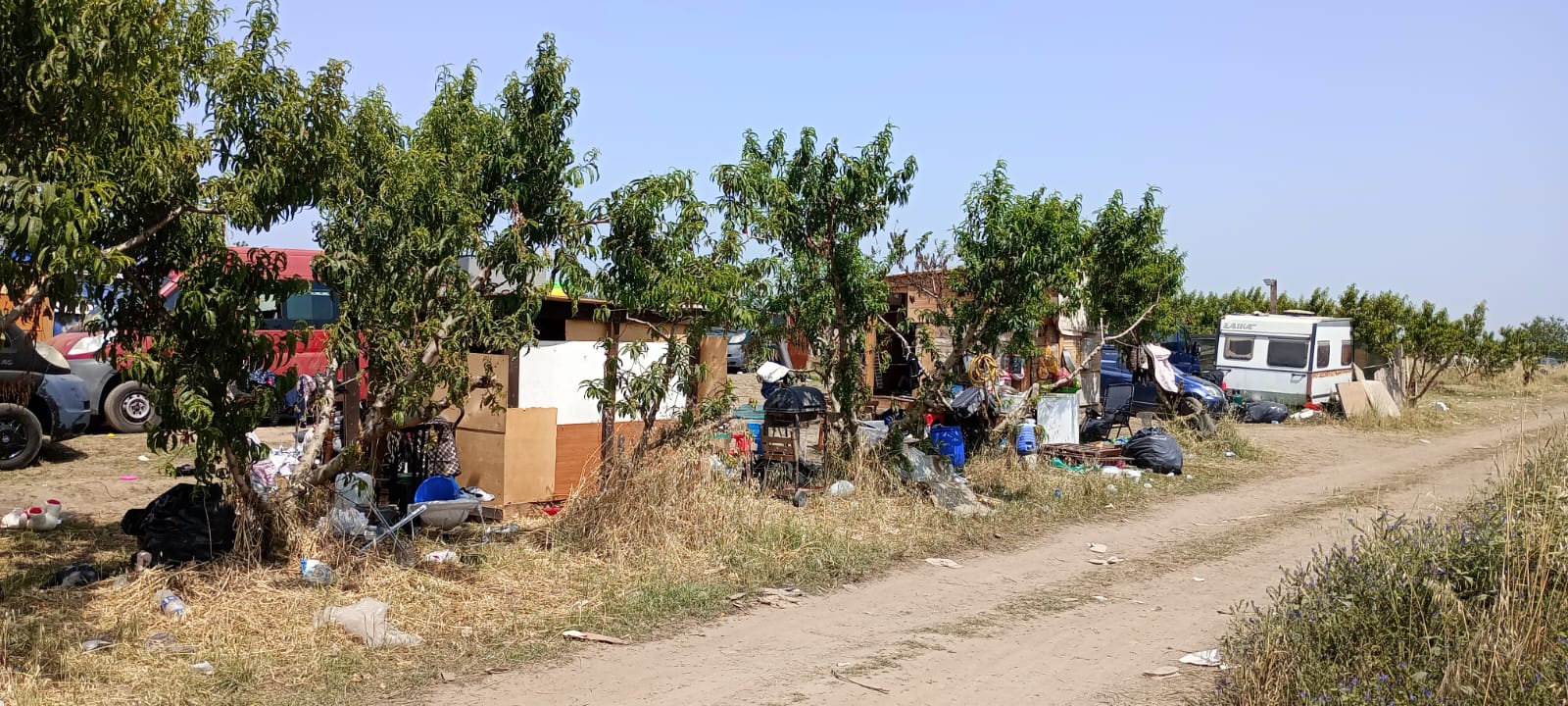
The so-called “Roma camp system” originated in the 1980s, when the arrival in Italy of Roma families from the former Republic of Yugoslavia was interpreted by policymakers as the result of spontaneous migration linked to a culture wrongly perceived as nomadic. Beginning in the early 1990s, a number of local administrations started constructing open-air mono-ethnic settlements that shared similar urban characteristics: they were located on the outskirts of cities, fenced off from surrounding areas, often situated in environmentally degraded zones, and equipped with inadequate services and housing conditions.
The physical separation of these settlements from the rest of the city creates both symbolic and practical barriers, limiting social interaction and reducing opportunities for integration. Over time, these spaces have become self-contained environments that restrict social mobility and hinder the possibility for families to leave. Children pay the highest price, growing up in environments where opportunities are limited and the possibility of imagining a different future is significantly constrained.
Since its inception, Associazione 21 luglio has distinguished itself within the Italian civil society landscape as the only organization explicitly pursuing two clear objectives: ending the construction of new Roma camps and promoting policies aimed at their definitive dismantling. The first objective was achieved in 2018 with the construction of the last such settlement to date in Italy. In the following years, sustained advocacy by the association helped create favourable national conditions for advancing policies aimed at overcoming the camp system.
The collaboration between the Nando and Elsa Peretti Foundation (NaEPF) and Associazione 21 luglio began in 2014 with a first project focused on the empowerment and self-realization of Roma children through art-based education in two camps in Rome. The partnership is still ongoing today. During the COVID-19 pandemic, the Foundation also provided emergency support to distribute food and essential supplies to children and families living in some of the areas with the highest poverty levels in Rome, including the camps in the Tor Bella Monaca district and the informal settlements of Castel Romano, Tor Cervara, and Salone.
In 2023, the NaEPF awarded a three-year grant to support the “Beyond the Camp” project. The initiative aimed to engage, in different ways, 32 of the 64 Italian municipalities where Roma camps still existed. These settlements were inhabited by approximately 4,000 people, who represented the direct beneficiaries of the project’s activities. A distinctive feature of the initiative was its participatory approach. The model developed by Associazione 21 luglio, drawing on the Community Organising methodology, promoted the direct involvement of settlement residents at every stage of the process. Within a climate of trust, inhabitants were encouraged to express their views, identify needs, and propose solutions in order to jointly define strategies, timelines, and practical steps for overcoming the settlements.
Over the years, Associazione 21 luglio has remained at the forefront of efforts to address these structural inequalities through community engagement, advocacy, and cooperation with public institutions. Its integrated approach, combining grassroots empowerment with policy reform, has contributed to shaping national and local strategies, including the official adoption of the Ma.Rea. Model for dismantling segregated settlements. The implementation of this model has contributed to a 46% reduction in the population living in Rome’s largest camp. Alongside its policy and advocacy work, the association has promoted inclusive practices in education and social development, while monitoring and challenging discriminatory structures that perpetuate segregation.
Although discrimination persists, the work of Associazione 21 luglio has contributed to a gradual cultural and institutional shift, laying the foundations for more equitable and inclusive public policies. In line with its founding vision as a “temporary” organisation, the association will gradually conclude its activities in the coming years. This closure is conceived as an act of restitution, through the transfer of knowledge, tools, and methodologies to other actors within civil society.
The project “Uproot to Replant”, supported by the Nando and Elsa Peretti Foundation, embodies this transition by ensuring that Associazione 21 luglio’s systemic approach to inclusion and social justice continues to inform and inspire future initiatives in Italy and beyond. As part of this effort, the project will result in a comprehensive publication documenting the association’s history, methods, and systemic approach to addressing segregation, institutional discrimination, and social marginalisation. Combining historical analysis, theoretical reflection, and practical tools, the publication will provide a transferable framework for NGOs, educators, activists, and policymakers working to advance social inclusion and systemic change.
In this way, the conclusion of Associazione 21 luglio’s journey becomes a form of restitution: returning its knowledge, experience, and methodologies to civil society as an open and generative resource for future action. The project also marks the culmination of a long-standing partnership with the Nando and Elsa Peretti Foundation, whose sustained support has played a central role in enabling the association’s efforts to challenge segregation and promote equal rights for Roma communities.
 ©All rights reserved Stefano Sbrulli
