 ©All rights reserved Swisshand Foundation
Supporting Swisshand in reducing poverty through the Promotion of Microcredits Programs in Uganda
Grantee: Stiftung Offene Hand (Swisshand)
Location: Uganda, Africa
Grant Cycle: 2019 – 2028
Type of Grant: multi-year program support, Human Welfare & Rights
Website: swisshand.ch
Human Welfare
& Rights
Stiftung Offene Hand “Swisshand” is a Swiss organization founded in 1968 dedicated to promoting sustainable poverty reduction trough economic empowerment and self-resilience. With a particular focus on marginalized populations and women, Swisshand operates primarily in disadvantaged regions of Africa through its PROMIC Promotion of Microcredits) Programme, which is implemented in partnership with approved local organizations.
By providing access to microcredit and entrepreneurial support, PROMIC combines financial services with mandatory training, close monitoring, and a strong culture of repayment responsibility. This integrated approach enables aspiring and small-scale entrepreneurs to establish or expand income-generating activities, strengthen their economic resilience, and build sustainable pathways out of poverty for themselves and their families. Through local partnerships and ongoing support, the programme fosters long-term self-reliance and economic empowerment within underserved communities.
Promoting sustainable poverty reduction through economic empowerment and self-reliance among the most disadvantaged is closely aligned with the Nando and Elsa Peretti Foundation’s (NaEPF) commitment to fostering long-term, sustainable solutions that improve livelihoods and expand opportunities for vulnerable populations. Within this framework, NaEPF has supported Swisshand’s PROMIC Programme in Uganda since 2019, helping to strengthen the economic resilience of women through access to microcredits.
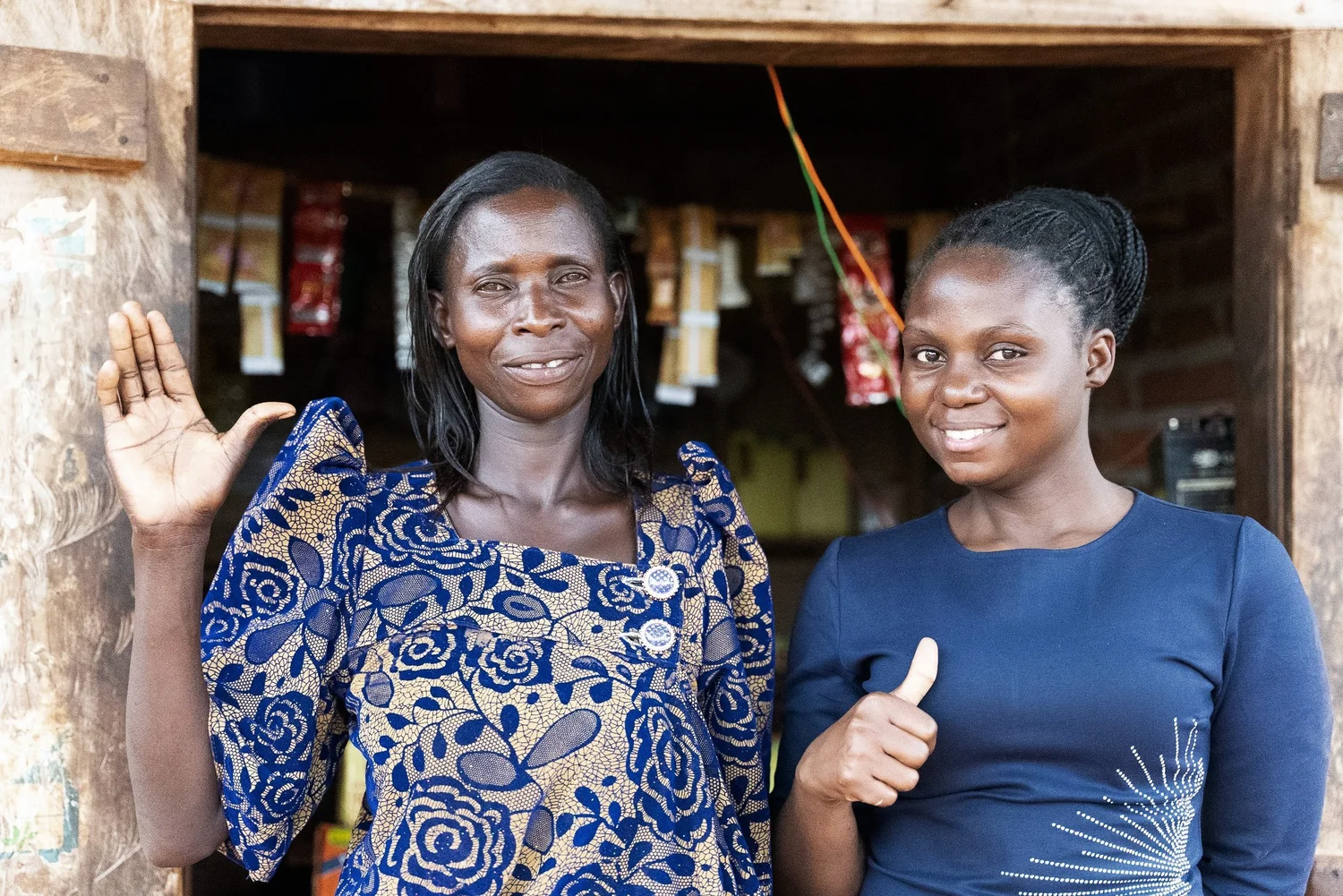
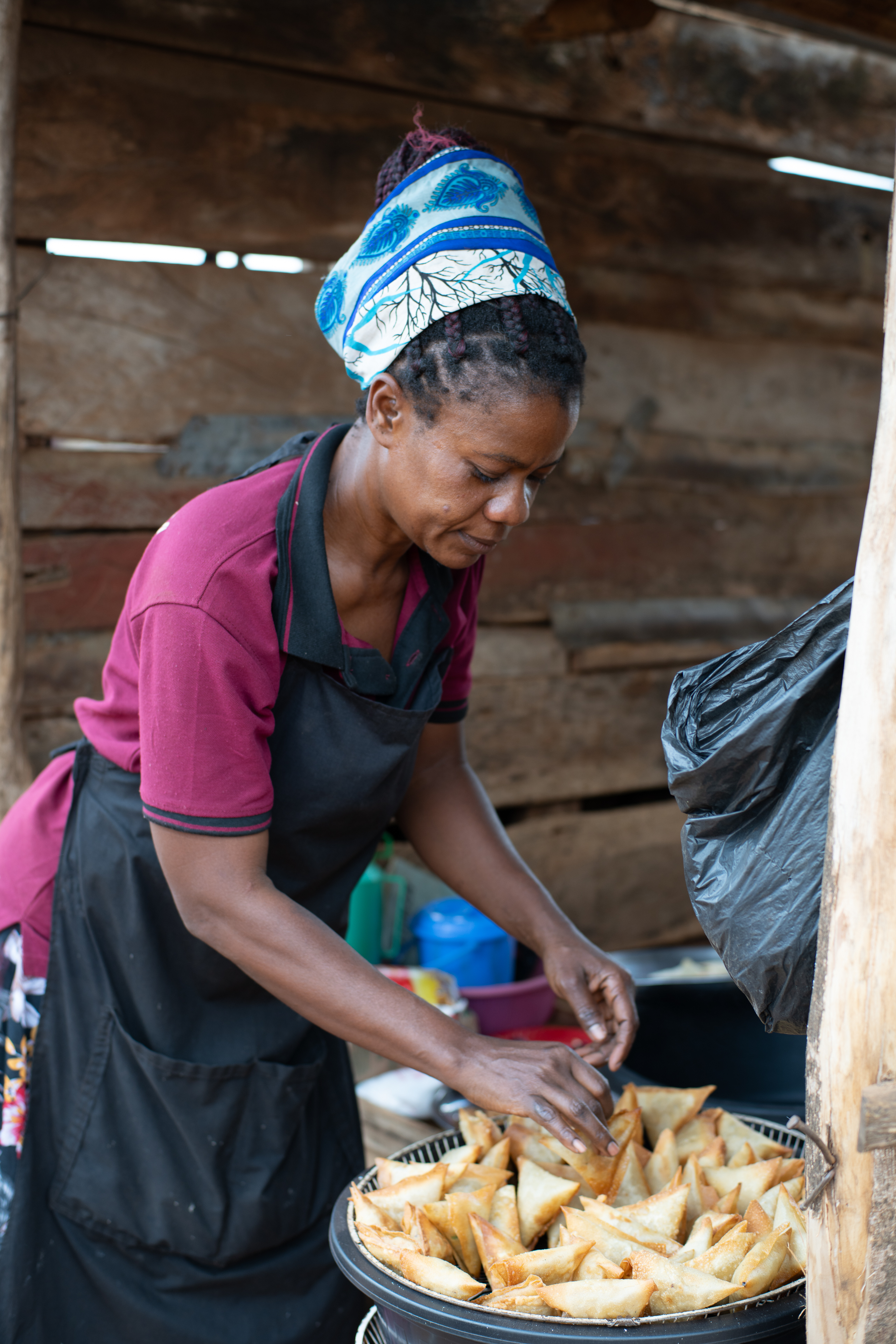
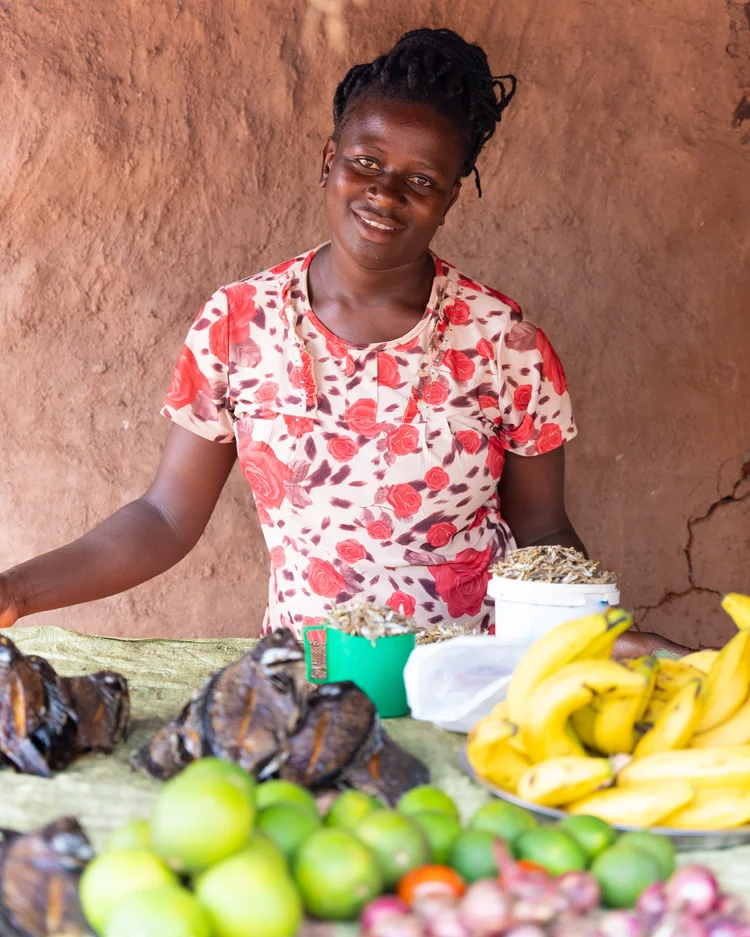
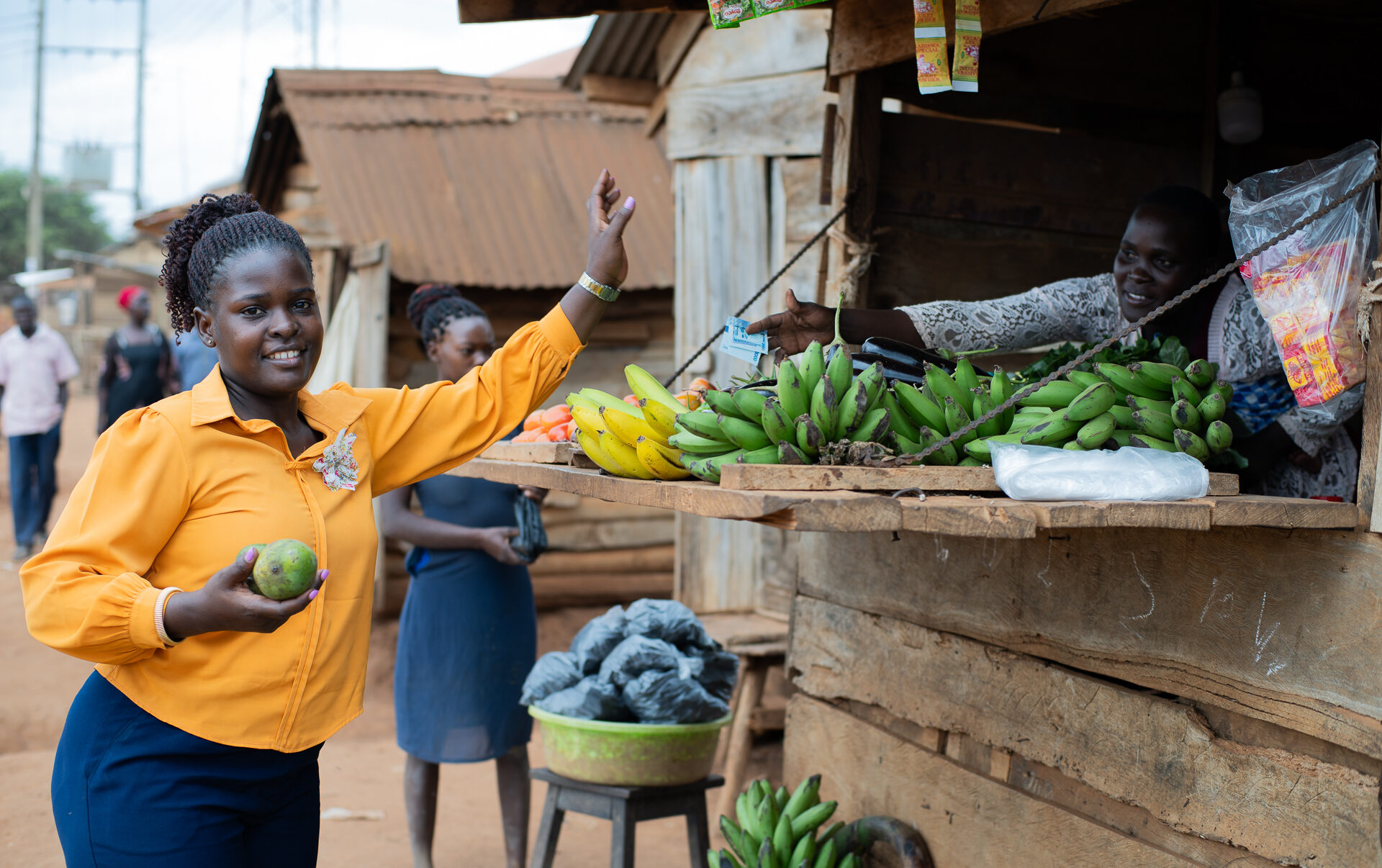
Uganda remains one of the world’s least developed countries, with a large proportion of the population relying on agriculture and small-scale enterprises for their livelihoods, particularly in rural areas where poverty levels remain high. Despite these challenges, the country benefits from favourable climatic conditions that support year-round agricultural production, creating important opportunities for income generation and local economic development. In this context, Swisshand plays a vital role by working through local partner organizations to provide microcredit and entrepreneurial support, primarily to women in underserved rural communities. As in many parts of sub-Saharan Africa, women often bear primary responsibility for household welfare and income security, yet they frequently face limited access to financial services and economic opportunities.
By combining access to credit with business training and ongoing support, the programme enables women to establish or expand small enterprises, diversify household income sources, and strengthen their economic resilience. The benefits extend beyond increased earnings: participating women often gain greater self-confidence, decision-making power, and social recognition within their families and communities. As a result, the programme contributes not only to poverty reduction and improved living conditions, but also to women’s empowerment and broader community development.
In 2019, the Nando and Elsa Peretti Foundation’s support has financed three women-focused microcredit programmes in Uganda: Special Children Special Project and Kituntu Women in Mpigi District (Central Uganda), and Buardefo in Kiziranfumbi (Western Uganda). These initiatives have demonstrated strong sustainability and scalability, generating significant socio-economic benefits beyond the direct beneficiaries. It is estimated that between 24,000 and 32,000 people have indirectly benefited through improved household incomes, increased access to education, and enhanced resilience to economic shocks. Building on these results, a new grant awarded in 2024 supported three additional rural microcredit programmes in Karama, Kodiri, and Ruhija, Uganda.
The positive results achieved through these previous interventions led the Nando and Elsa Peretti Foundation to expand its commitment in 2026 through a three-year strategic grant running until the end of 2028. The grant supports the implementation and consolidation of 12 PROMIC programmes across Uganda, building on proven approaches to microfinance, entrepreneurship, and community-based economic empowerment. Through this long-term partnership, NaEPF aims to strengthen the sustainability and reach of the programme, enabling more vulnerable households to improve their livelihoods, increase their economic resilience, and create lasting pathways out of poverty.
Under this strategic partnership, Swisshand will disburse approximately 3,000 microcredits annually, generating positive socio-economic impacts for an estimated 12,000 to 15,000 people every year. A key feature of the PROMIC model is its revolving loan mechanism, which allows funds to be continuously reinvested as loans are repaid. Borrowers receive training, use the loan to develop income-generating activities, and gradually repay the funds, which are then made available to new participants. This approach significantly extends the reach and sustainability of the programme, enabling the same financial resources to support multiple generations of entrepreneurs. By fostering economic self-reliance and reducing vulnerability to poverty, the model creates lasting benefits for individuals, families, and communities.