

Historical partnership with Terra! to promote a more sustainable agricultural model in Italy
Grantee: Terra!Aps
Location: Italy, Europe
Grant Cycle: 2016 – 2029
Type of Grant: historical partnership,
Environment & Biodiversity Protection
Website: associazioneterra.it
Environment & Biodiversity Protection
Terra! is a non-profit environmental association that has been active in Italy and across Europe since 2008, promoting sustainable and equitable food systems through research, field investigations, education, and advocacy. Its activities focus on addressing the interconnected challenges of intensive agriculture, biodiversity loss, climate change, and labour exploitation.
Since 2015, Terra! has carried out extensive investigative and advocacy work focused on Italy’s major industrial food supply chains, documenting their environmental and social impacts and advocating to reform the food system. Through these efforts, the association has contributed to several important achievements from the Italian Government: a law against gangmastering and labour exploitation in agriculture (law 199/2016), a first ban of the unfair trading practices in the food chain in June 2019 and the regularization of migrant workers in May 2020 (law decree 2020/34). Alongside its campaigns and advocacy initiatives, Terra! has implemented a range of field-based projects focused on environmental education, community development, and labour inclusion, supporting young people, rural communities, and migrant workers through programmes that promote social integration, skills development, and access to employment opportunities.
The partnership between the Nando and Elsa Peretti Foundation (NaEPF) and Terra! began in 2016 with a research and awareness project on social and environmental conditions in the tomato supply chain in Italy and Europe. This initial intervention combined field research, public communication, and institutional dialogue, generating wide national media coverage and constructive engagement with public authorities, and helping shift the debate toward broader institutional and market attention. Building on these results, the NaEPF supported the development of the multi-year agroecological training programme “Scuola Diffusa della Terra - Emilio Sereni.” Implemented in two phases, the initiative aimed to establish a national diffused school model combining classroom learning and on-farm practice. The programme provided opportunities for a diverse range of participants, including refugees, unemployed youth, and aspiring farmers, to acquire practical skills and knowledge in sustainable agriculture. A subsequent phase focused on consolidating the model through institutionalization, strategic partnerships, and policy engagement, with the goal of strengthening its long-term sustainability and national impact.
Over the years, the project has established a dynamic network of farmers, civil society organizations, researchers, and environmental advocates, fostering collaboration around shared goals of sustainable agriculture, biodiversity conservation, and soil protection. Through this collective approach, the initiative has emerged as a recognized model for advancing agroecological practices and influencing policy, while strengthening cooperation between agricultural producers and environmental stakeholders.
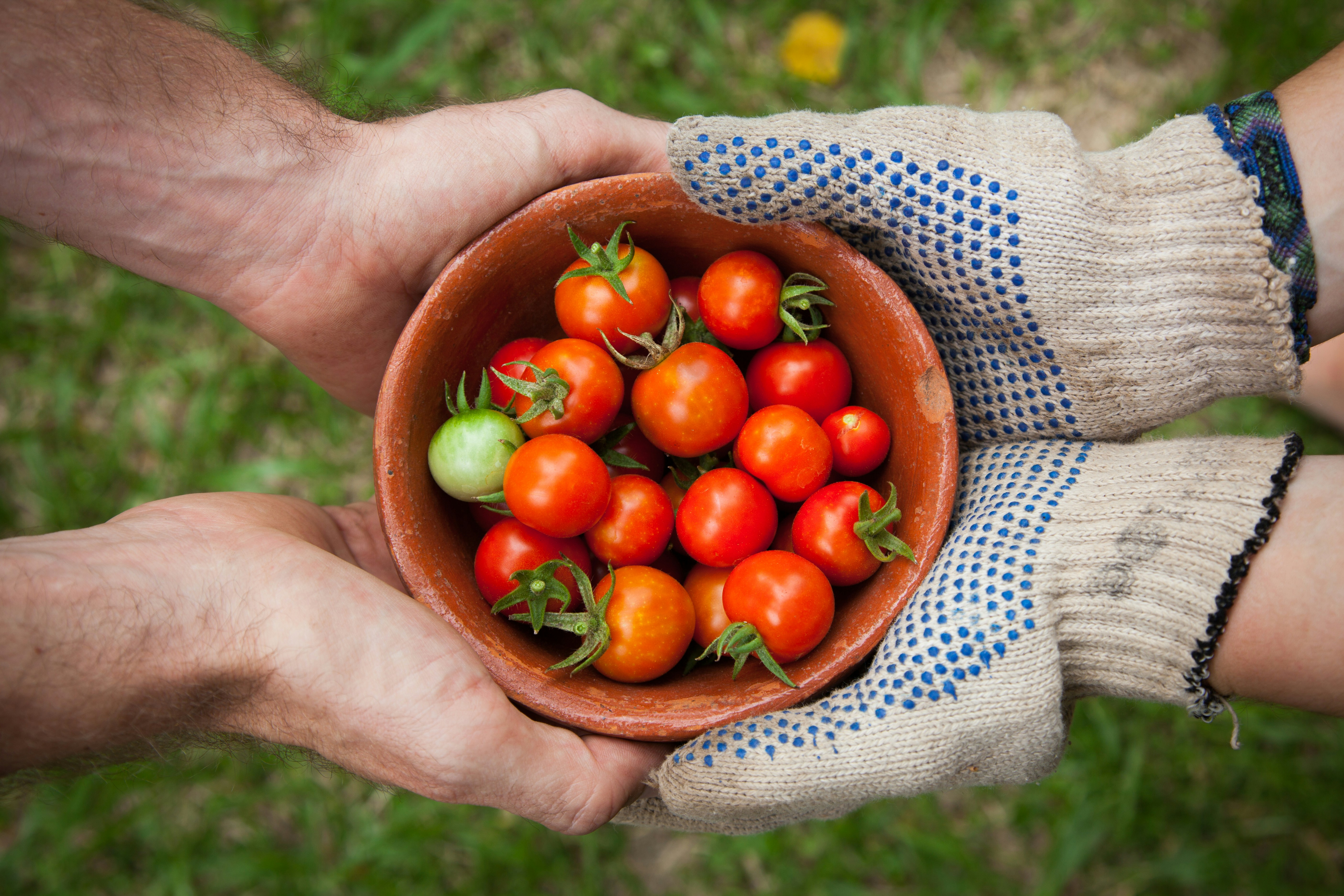
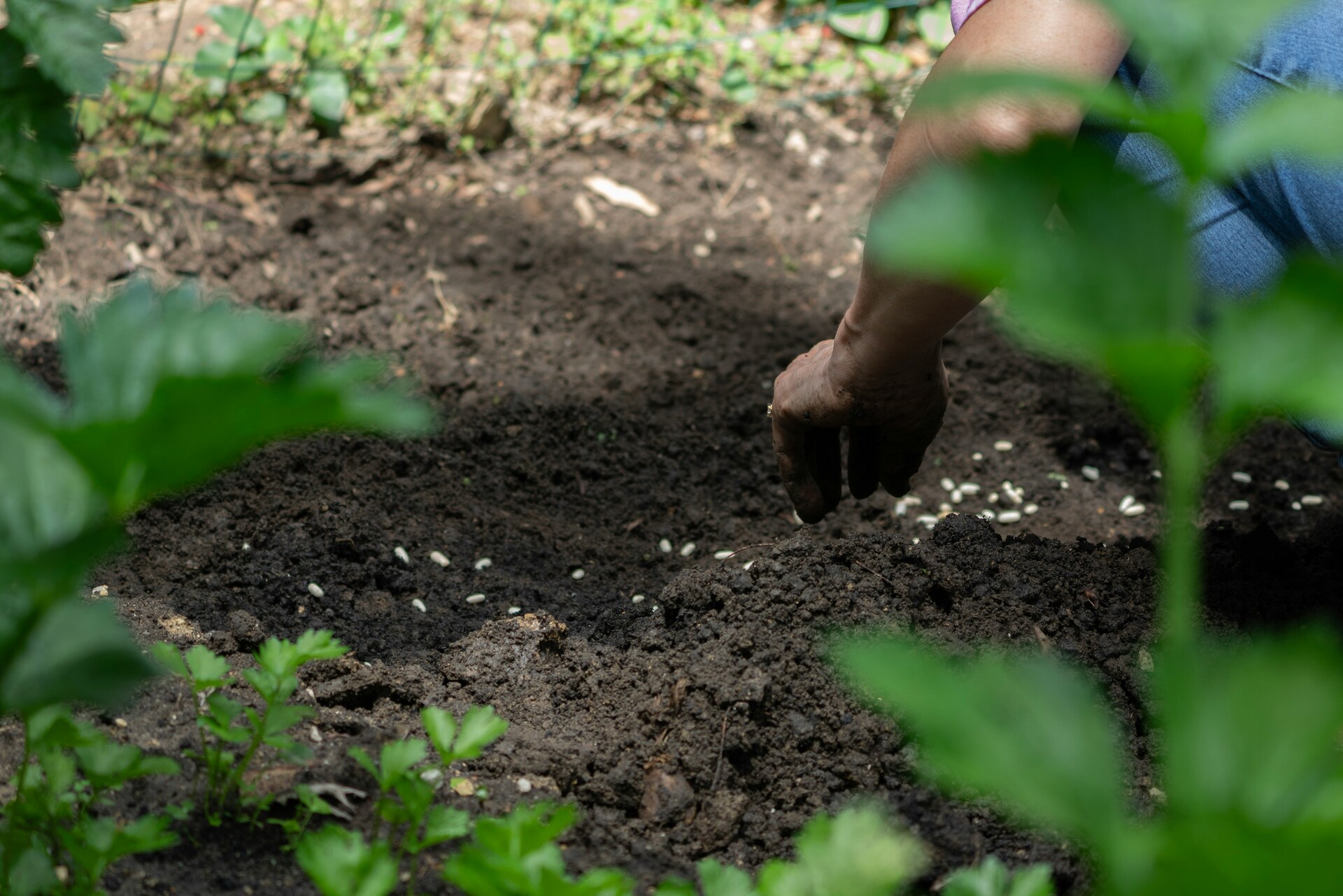
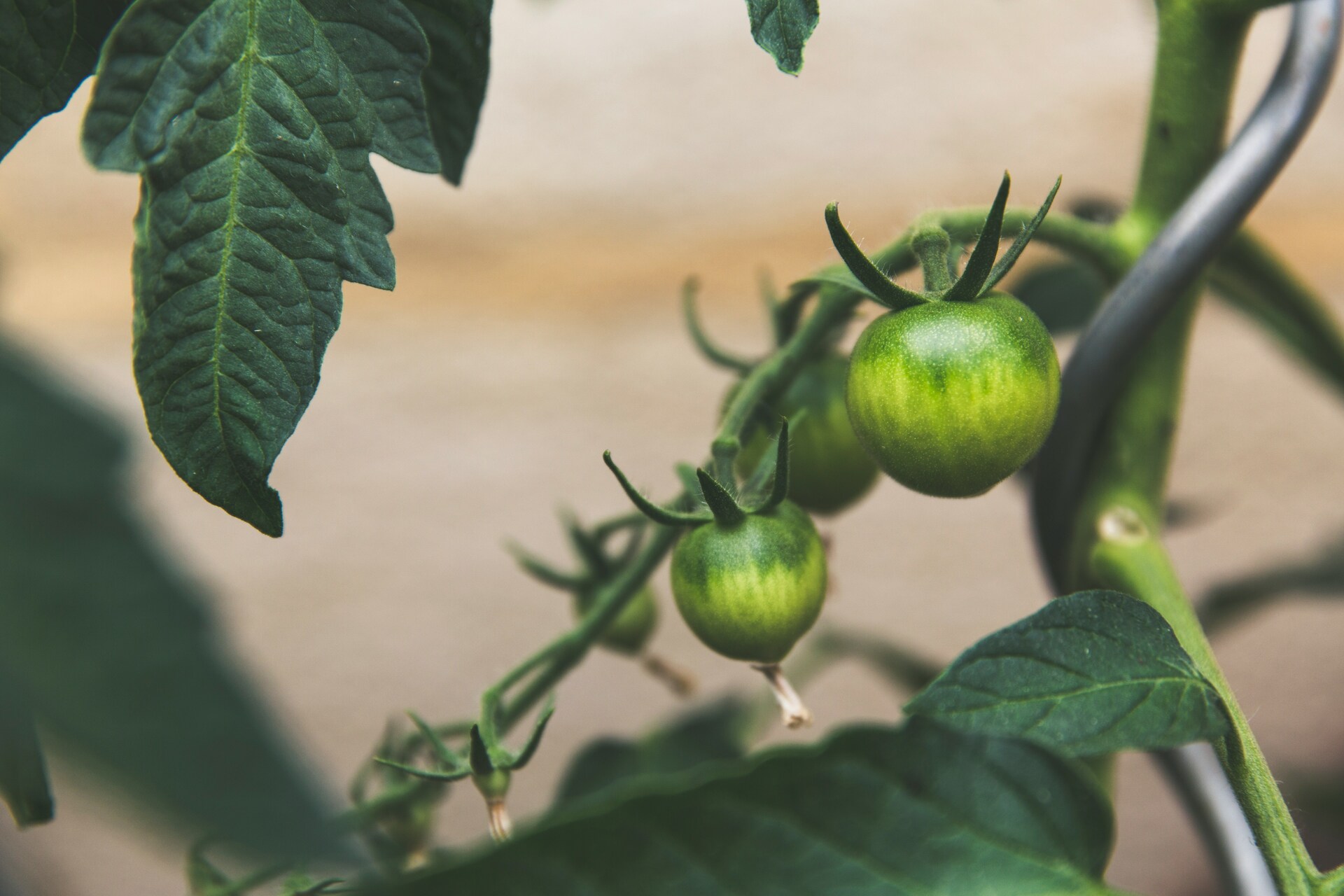
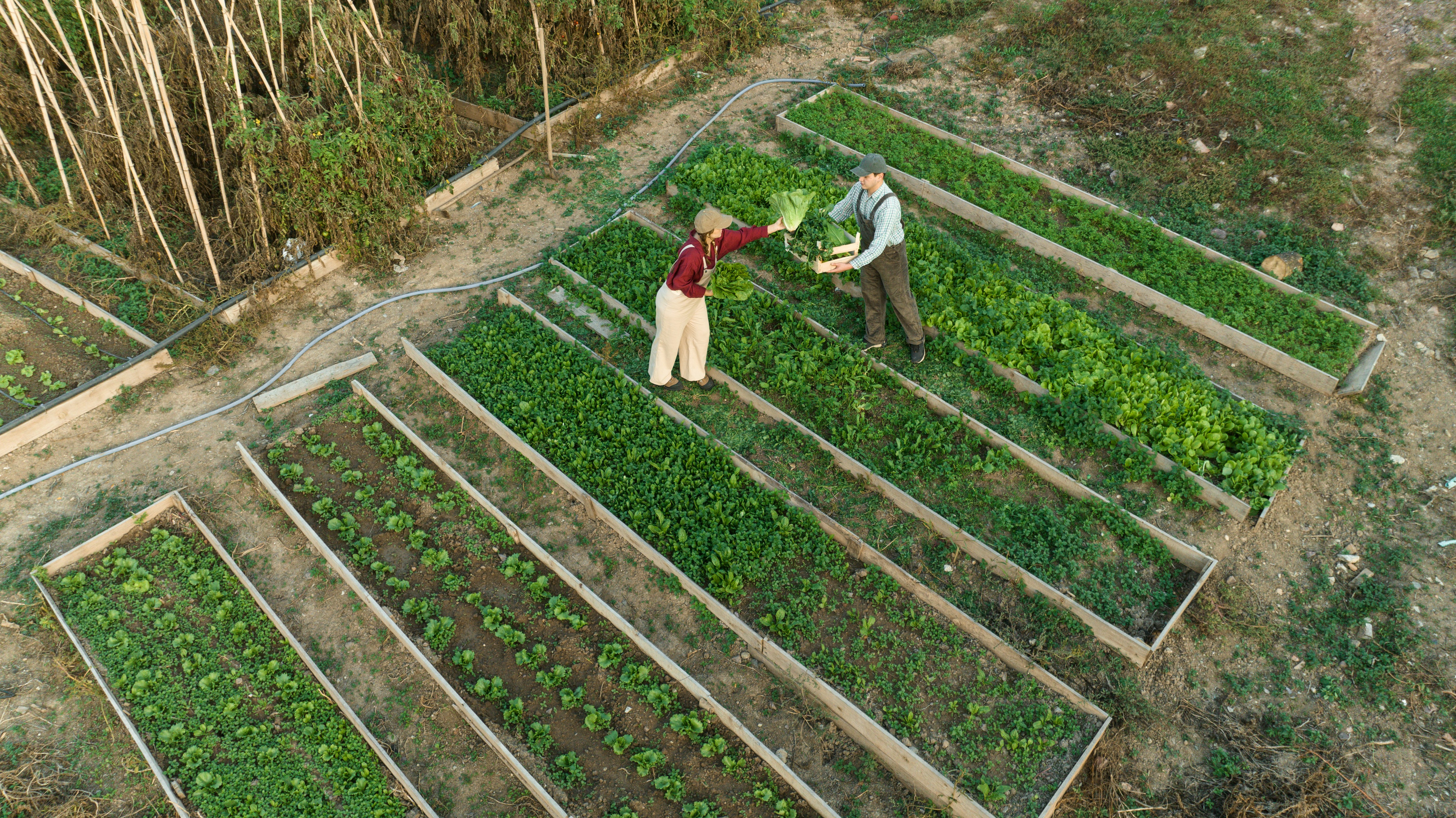
The images shown are for illustrative purposes only and not be an exact representation of the supported project
In 2026, the Nando and Elsa Peretti Foundation renewed its support to Terra! through a three-year programme support for the initiative “From the Emilio Sereni School to the Terra Hub: A Space for Agroecological Learning.” The project aims to strengthen more equitable, sustainable, and participatory food systems across Italy. At the heart of the initiative is the creation of the National Terra Hub in Rome, conceived as a dynamic space for learning, dialogue, and community engagement. Building on previous experience and earlier programmes supported by the NaEPF, the Hub will act as both an organisational and educational centre, coordinating activities nationwide while remaining closely connected to local realities. In parallel, the project will contribute to the identification and development of a long-term site for the Hub, ensuring its sustainability beyond the project’s duration.
The Hub will deliver a structured programme of agroecological learning through a combination of in-person and online activities. Training pathways will explore key themes such as intensive agriculture, fair pricing, climate change, labour conditions, biodiversity, and food policy. These learning opportunities will be complemented by participatory initiatives designed to foster dialogue and collaboration among a wide range of stakeholders. A strong emphasis will be placed on territorial engagement. Through partnerships with local networks, workshops, peer-learning sessions, and policy labs will be organised in several cities, including Rome, Bari, Genoa, and Bologna. These activities will create opportunities for citizens, producers, and institutions to exchange knowledge, share experiences, and co-develop solutions tailored to their local contexts.
In addition, the project will support public awareness and policy development through communication campaigns, multimedia content, and a series of multi-stakeholder events. These efforts aim to strengthen local and national food governance processes, contributing to the development or consolidation of food policy councils and local food plans, while also producing policy recommendations to inform decision-making.
The initiative will directly involve around 200 participants, including young people, small-scale farmers and producers, agricultural workers, chefs, educators, and community organisers, with particular attention to underrepresented groups. A much wider audience-estimated at over 100,000 people-will be reached indirectly through public events, digital platforms, media engagement, and the activities of partner organisations.
By the end of the project in February 2029, the Terra Hub is expected to be fully operational and recognised as a national reference point for agroecological learning and community-based food governance. More broadly, the initiative seeks to increase public understanding of the connections between environmental sustainability, social justice, and food systems, while strengthening collaboration across sectors.
Through its support, the Nando and Elsa Peretti Foundation advances a long-term vision in which communities are empowered to play an active role in shaping food policies and agricultural practices. By strengthening knowledge, participation, and collaboration, the project contributes to the development of more resilient, inclusive, and environmentally sustainable food systems, generating lasting benefits for both people and the planet.
“Through a different way of doing agriculture, we can stop climate change and
Terra!
create a cleaner, fairer and more welcoming world for future generations.”
