" alt="Supporting ACCA in the “Manu Women’s Program: resilience for the Andes Amazon” in Peru">
©All rights reserved Conservación Amazónica - ACCA
" alt="Supporting ACCA in the “Manu Women’s Program: resilience for the Andes Amazon” in Peru">
©All rights reserved Conservación Amazónica - ACCA
Supporting ACCA in the “Manu Women’s Program: resilience for the Andes Amazon” in Peru
Grantee: Conservación Amazónica – ACCA
Location: Peru, South America
Grant Cycle: 2025-2027
Type of Grant: two-year program support, Human Welfare & Rights
Website: acca.org.pe
Human Welfare
& Rights
Conservación Amazónica – ACCA, founded in 1999, is a leading Peruvian nonprofit organization dedicated to the conservation of the Andes-Amazon region, one of the planet’s most biodiverse and ecologically critical landscapes. Through cutting-edge scientific research, the training of future conservation leaders, and the advancement of sustainable livelihoods in balance with nature, ACCA works to ensure the long-term resilience of both ecosystems and the human communities that rely on them.
For more than two decades, ACCA has been at the forefront of conservation, stewarding over 5 million hectares of forests and watersheds across southern Peru, in the ecologically critical region where the Andes meet the Amazon. In 2001, ACCA was authorized to manage the country’s first Conservation Concession, Los Amigos, a 146,000-hectare of pristine rainforest that forms a vital ecological corridor between Manu National Park and Tambopata National Reserve, while bordering the territories of Indigenous Peoples in Voluntary Isolation (PIACI). Through this initiative, ACCA has pioneered a civil society-led model of conservation that integrates ecosystem protection, scientific research, environmental education, and sustainable ecotourism.
The Kosñipata and Mapacho Valleys, located in the Vilcanota Cordillera Corridor and forming part of the Manu Biosphere Reserve buffer zone (Cusco, Peru), provide critical ecosystem services including water regulation for Cusco, carbon storage, biodiversity conservation, and key ecotourism benefits tied to Machu Picchu and the Sacred Valley. Despite their ecological and cultural significance, these valleys face escalating environmental and socio-economic threats: infrastructure development, extractive industries, land-use change, mining, illicit crop cultivation, and uncontrolled burning, are accelerating their degradation. These pressures undermine ecosystem resilience, food security, and the cultural integrity of Indigenous Peoples and Local Communities (IPLCs), with women and girls disproportionately affected. Compounding these challenges, climate change has intensified wildfire events, while subsequent outbreaks of livestock disease exacerbate rural poverty.
These environmental stressors intersect with persistent social inequities, particularly those related to gender. In Indigenous and rural communities, women serve as key stewards of biodiversity and climate resilience, overseeing food production, water collection, seed preservation, and traditional medicine. However, they face systemic barriers to land ownership, capacity building, financial resources, and participation in decision-making. These constraints are reinforced by cultural norms, legal limitations, and the burdens of time poverty, further restricting women’s agency in conservation and community resilience.
Despite their critical role, women’s contributions to conservation often remain undervalued and invisible. Drawing from its experience, ACCA demonstrates that this can be transformed through inclusive, gender-equitable approaches that position women at the center of environmental governance and community resilience.
Aligned with its goal to foster systemic change at the intersection of human rights, social welfare, and environmental conservation, the Nando and Elsa Peretti Foundation (NaEPF) has supported ACCA’s initiative “Manu Women’s Program: Resilience for the Andes-Amazon”, which advances the long-term wellbeing and self-determination of Indigenous Peoples and Local Communities, with a particular emphasis on women.
The Program will strengthen the adaptive capacity of IPLCs in the Kosñipata and Mapacho Valleys through four integrated strategies:
- Cultural revitalization: honoring and strengthening ancestral knowledge held by both women and men, with a focus on agriculture, food security, and environmental management;
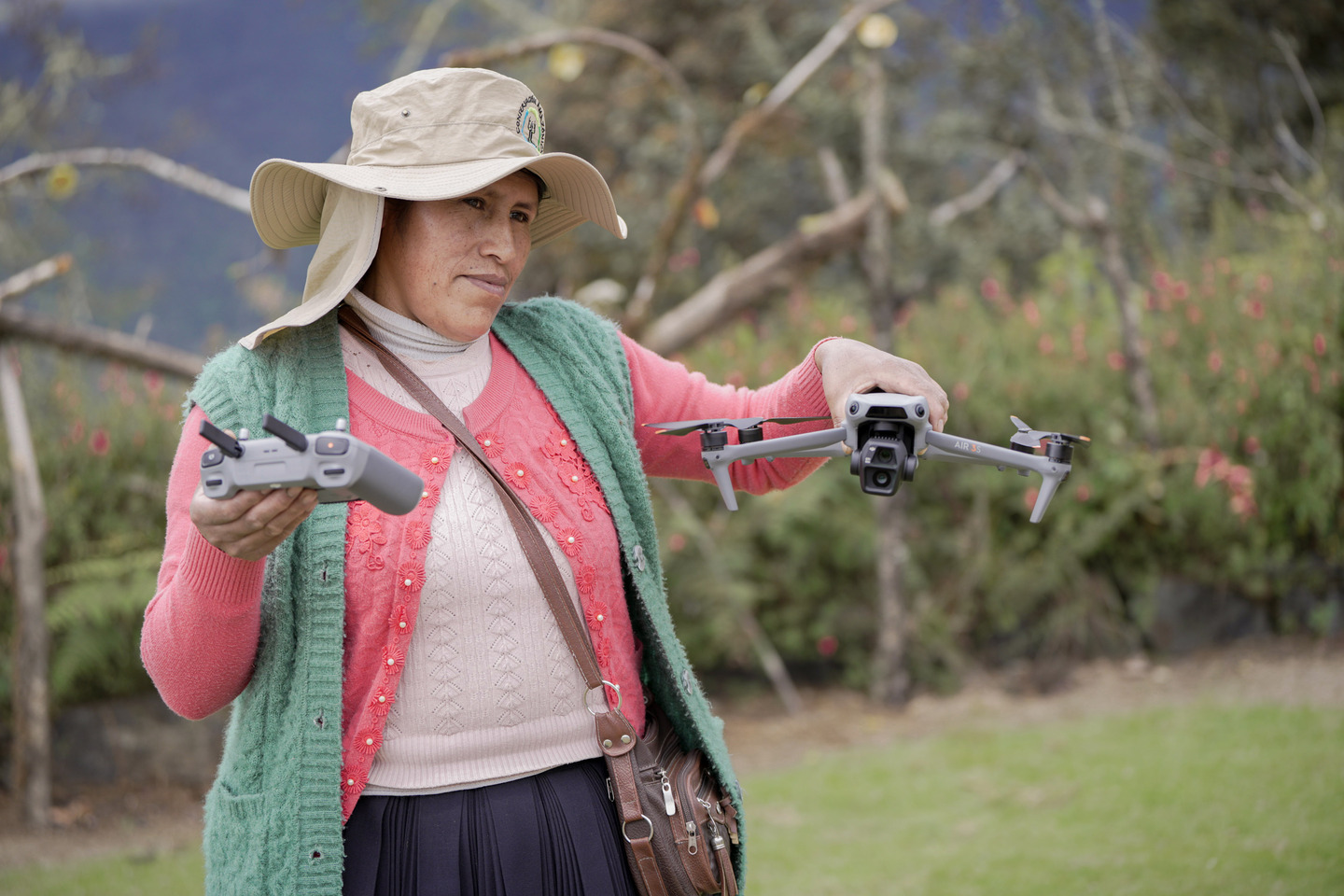
- Inclusive technology: ensuring that tools and innovations for environmental monitoring are accessible, appropriate, and empowering for all users;
- Participatory governance: creating equitable platforms where women’s voices, leadership, and agency are fully recognized;
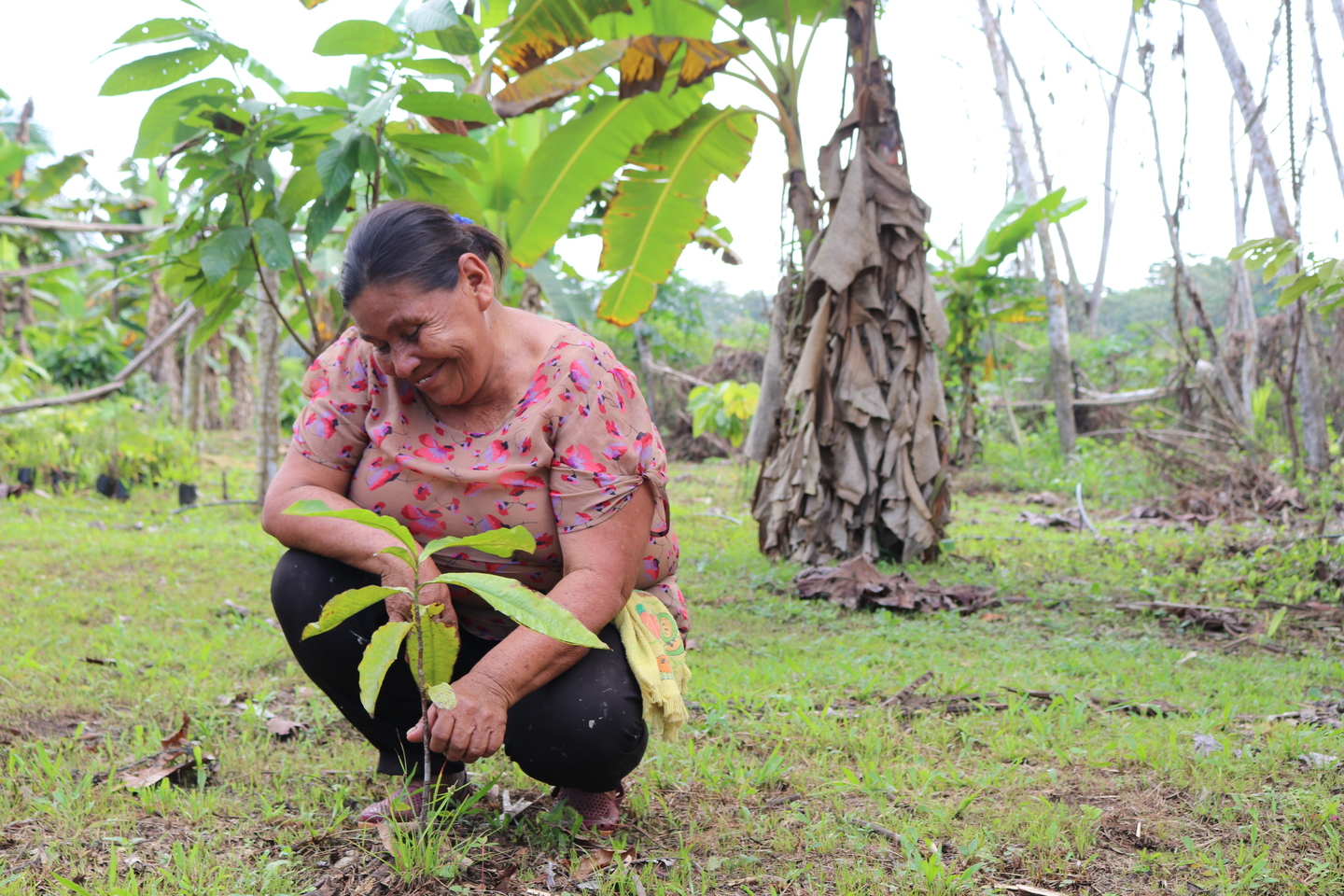
- Sustainable bioeconomy initiatives: supporting community-led enterprises in ecotourism, agroforestry, crafts and non-timber forest products and facilitating fair access to markets and value chains.
By addressing gender inequality as a structural barrier to conservation and resilience, the initiative seeks to generate systemic and lasting change across both social and ecological dimensions. In doing so, it contributes to climate justice, biodiversity protection, and the wellbeing and self- determination of Indigenous and local communities throughout this critical Andean-Amazon landscape.