

 " alt="Supporting Asociación Biomas in strengthening species monitoring and conservation capacity in Kasungu National Park, Malawi">
©All rights reserved Asociación Biomas / Paula Anza
Supporting Asociación Biomas in strengthening species monitoring and conservation capacity in Kasungu National Park, Malawi
Grantee: Asociación Biomas
Location: Malawi, Africa
Grant Cycle: 2026-2029
Type of Grant: three-year program support, Delegació a Catalunya,
Environment & Biodiversity Protection
Website: bio-mas.org
Delegació
a Catalunya
Asociación Biomas is a Spanish non-profit organisation founded in 2011 to advance wildlife conservation through the integration of education, applied research, and field-based capacity building. By combining scientific knowledge with practical training, the organisation equips students, conservation practitioners, and researchers with the technical skills required for biodiversity monitoring, wildlife research, and the effective management of protected areas.
Building on this experience, Biomas Malawi was established in 2025 to strengthen conservation, scientific research, and institutional capacity in Kasungu National Park, Malawi’s second-largest protected area and one of the country’s most important biodiversity landscapes. Despite its ecological significance, decades of intensive poaching and limited financial and technical resources have meant that conservation efforts have focused primarily on anti-poaching operations, leaving ecological monitoring and research largely underdeveloped. As a result, the park lacks robust baseline ecological data, long-term monitoring programmes, and the technical capacity required to assess species distribution, population trends, and ecosystem health, limiting the adoption of evidence-based conservation management.
To address these challenges, Biomas works in close partnership with the Department of National Parks and Wildlife (DNPW) to establish a long-term framework for ecological research and adaptive conservation. The programme strengthens wildlife monitoring systems, enhances the technical capacity of park staff in ecological survey and research methodologies, fosters collaboration with international universities and research institutions, and supports postgraduate research to generate the scientific evidence needed for informed management decisions. Recent improvements in security, renewed investment in protected area management, the reintroduction of elephants to Kasungu National Park, and the rehabilitation of Lifupa Camp through complementary funding from The Beit Trust have created a unique opportunity to consolidate these efforts.
Within this context, the Nando and Elsa Peretti Foundation (NaEPF) supports Biomas’ project through July 2029, contributing to the establishment of Kasungu National Park as a model for evidence-based conservation and a regional hub for ecological research. The initiative strengthens the capacity of park rangers and technical staff by providing the knowledge, practical skills, and scientific tools needed to independently monitor wildlife populations, collect and analyse ecological data, and apply adaptive management approaches.
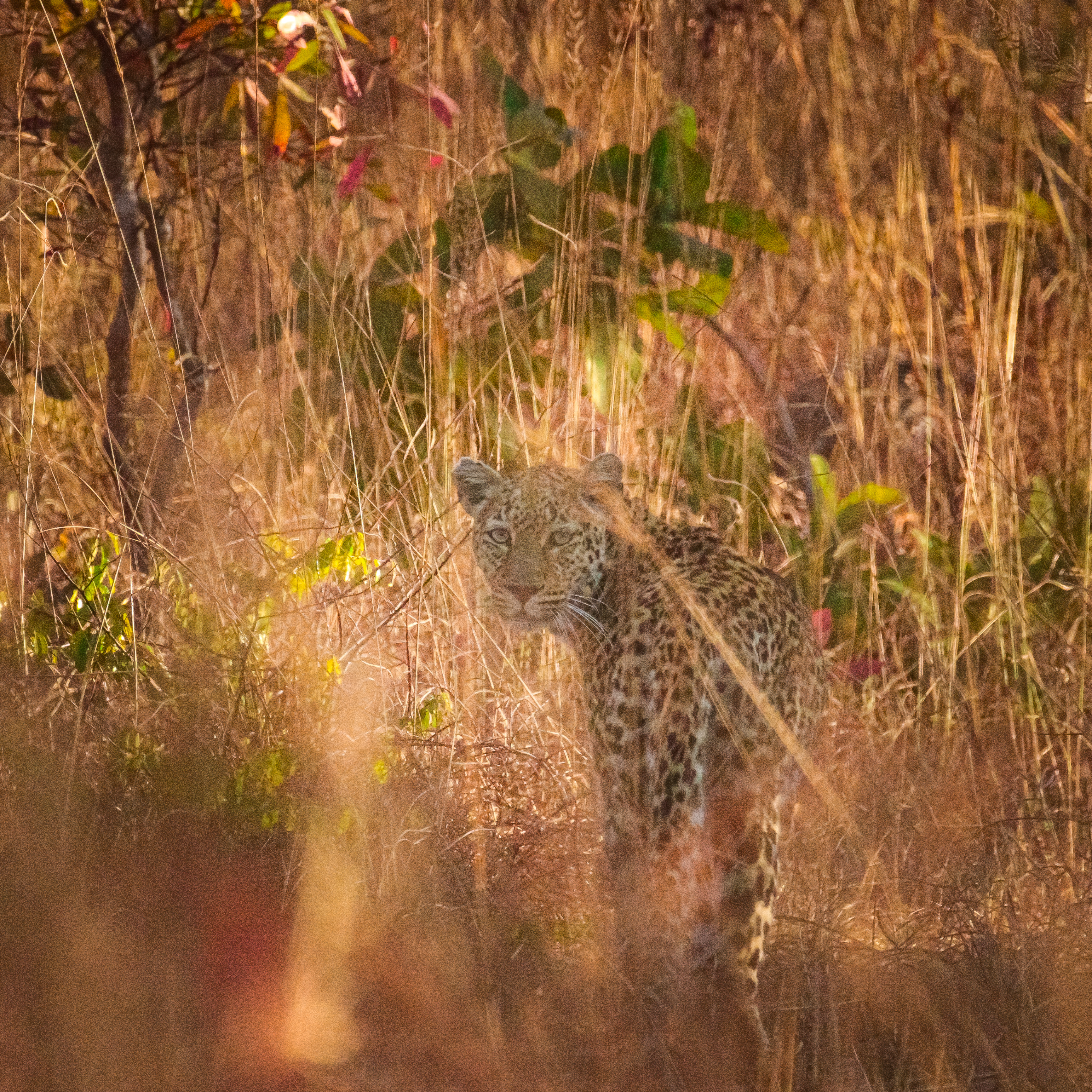
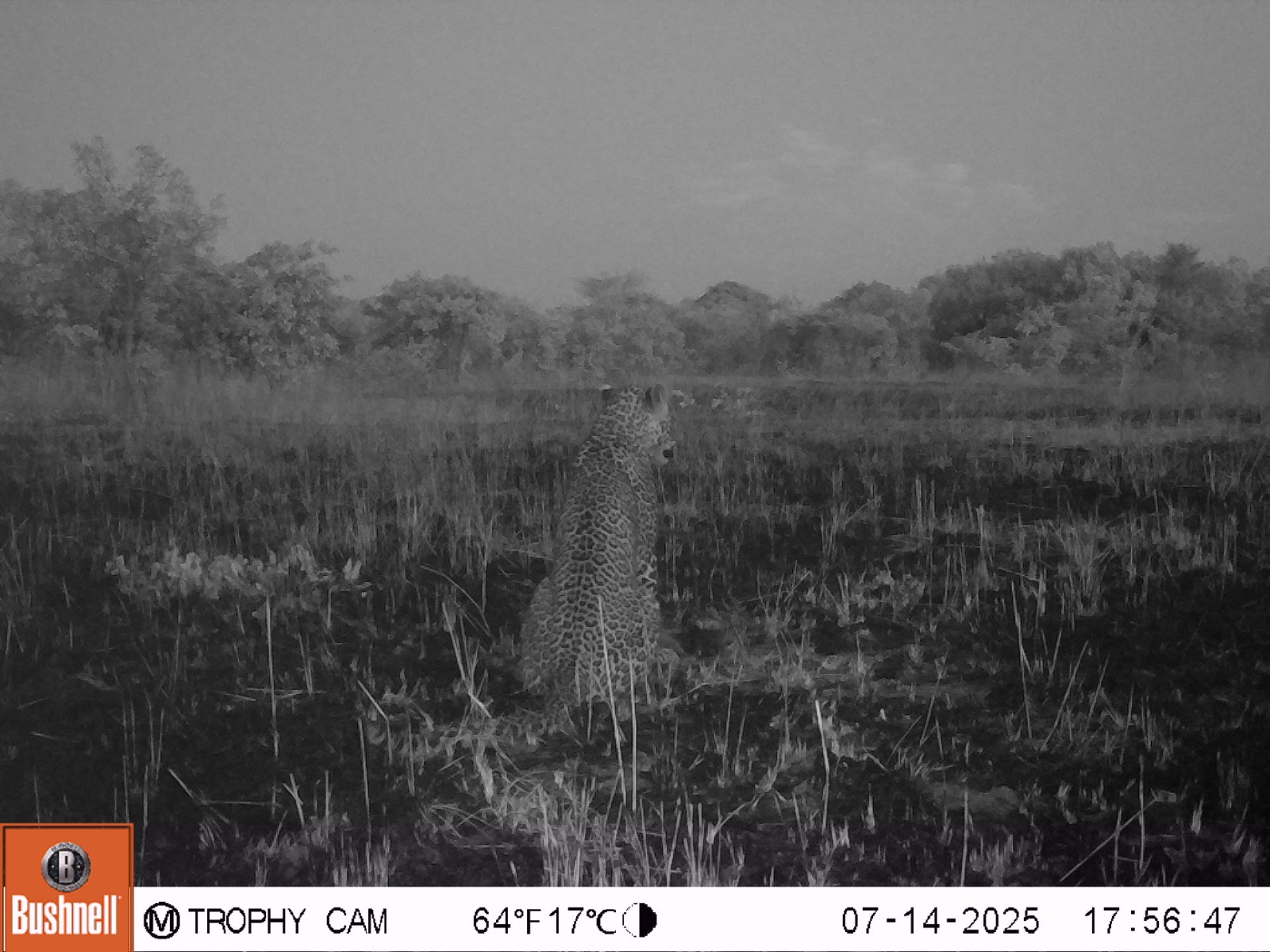
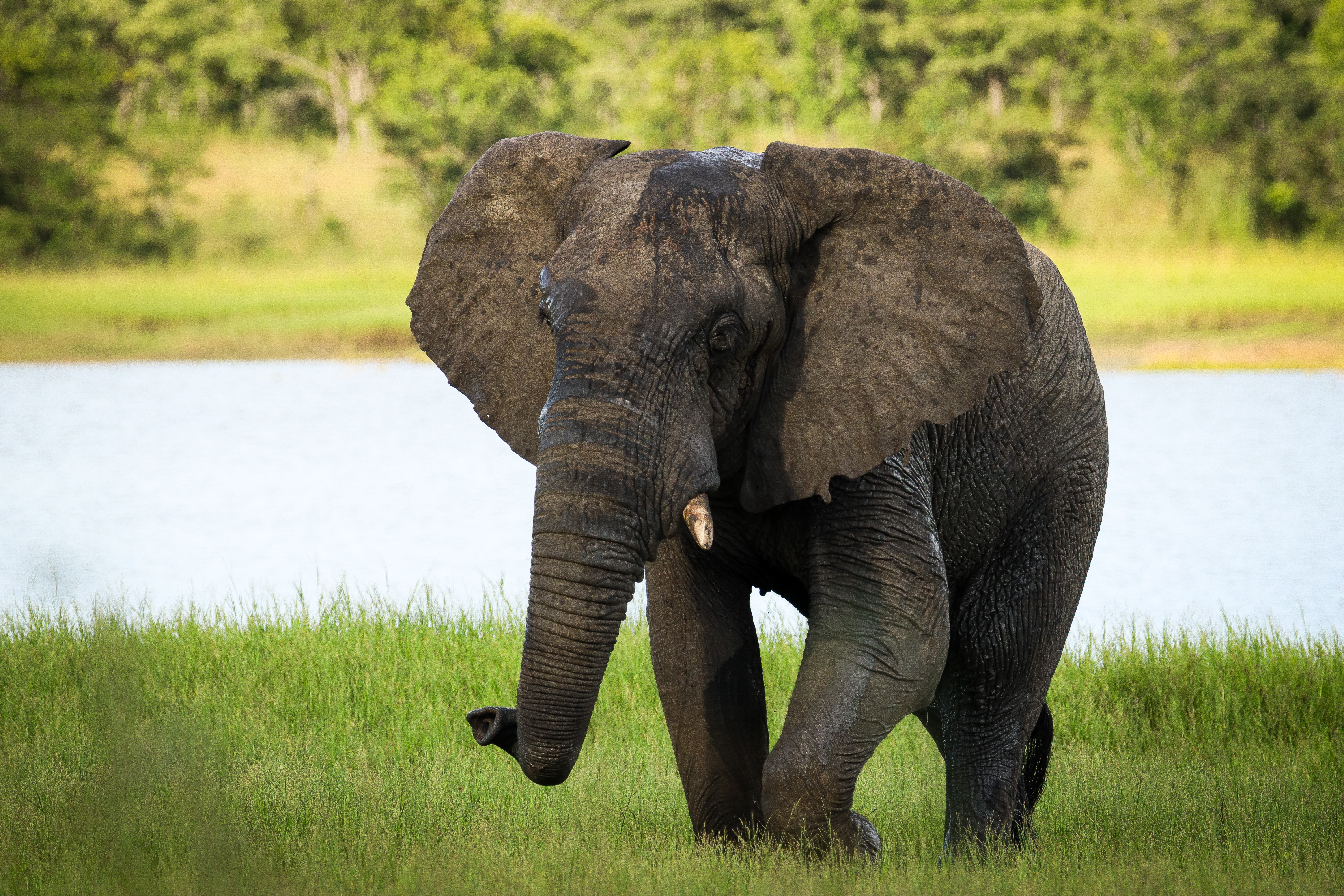
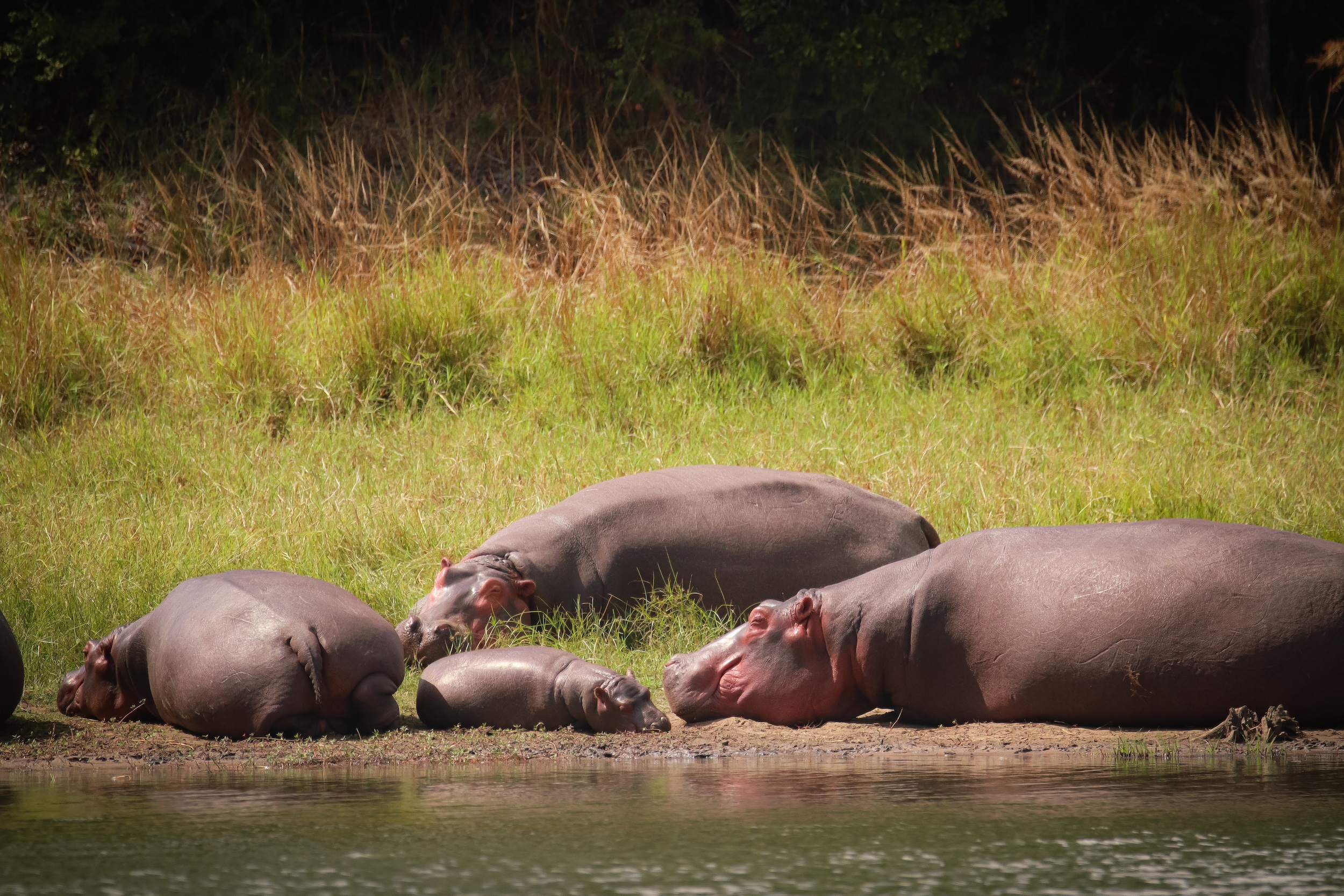
A cornerstone of the project is the implementation of the first comprehensive inventory of the park’s mammal species, establishing the baseline ecological information required to assess population trends, identify conservation priorities, and guide long-term biodiversity management. The resulting data will strengthen conservation planning while supporting the sustainable development of nature-based tourism.
The project also bridges conservation practice and academic research through partnerships with the Universitat de Barcelona and other international research institutions. By enabling master’s and doctoral students to undertake field research in Kasungu National Park, the programme will generate new scientific knowledge, strengthen international research networks, and promote knowledge exchange between local conservation practitioners and the global scientific community.
Through this integrated approach, the initiative aims to position Kasungu National Park as a regional reference for wildlife conservation in southeastern Africa, demonstrating how scientific research, institutional capacity building, and evidence-based management can work together to secure the long-term resilience of biodiversity-rich landscapes.
 ©All rights reserved Asociación Biomas / Paula Anza
