" alt="Supporting AVSI in building sustainable livelihoods for urban vulnerable households in Uganda">
©All rights reserved Aldo Gianfrate / AVSI
" alt="Supporting AVSI in building sustainable livelihoods for urban vulnerable households in Uganda">
©All rights reserved Aldo Gianfrate / AVSI
Supporting AVSI in building sustainable livelihoods for urban vulnerable households in Uganda
Fondazione AVSI is an international, non-profit, non-governmental organization established in Italy in 1972. Guided by its mission to promote the dignity of every person, AVSI designs each initiative as an opportunity to foster awareness, empowerment, and shared responsibility. With over five decades of global experience, AVSI has become a leading organization in development and humanitarian assistance, renowned for its tough programme management, evidence-based practices, and innovative approaches. The organization’s work spans a wide range of sectors, including economic recovery and livelihoods, environment and energy, health, food security and nutrition, agriculture, education (with a focus on early childhood development), disability inclusion, protection and psychosocial support, and water and sanitation. Across all its initiatives, AVSI recognizes that human dignity and individual potential are the foundation for building lasting personal and family relationships rooted in mutual respect, trust, and equality among people of all ages and genders.
In Uganda, AVSI has been operating since 1984, reaching approximately 3million Ugandan and refugee last-mile populations across more than 70 districts, and currently implementing 24 active projects. Since 1993, AVSI’s Distance Support Program (DSP) in Uganda has supported extremely vulnerable children to access quality education. A recent review of its Theory of Change reaffirmed that DSP’s mission extends beyond paying school fees to fostering a conducive environment for holistic child development. To strengthen family engagement and address the root causes of poverty, AVSI has adopted the Graduation Approach (GA), a proven economic inclusion model that has achieved over 95% graduation rates from extreme poverty globally. Having implemented and adapted the GA in Uganda for nearly two decades, reaching more than 240,000 people, AVSI brings extensive experience in fostering self-reliance and resilience among vulnerable populations. Through this approach, AVSI will complement its education focus with integrated, time-bound interventions that enhance household livelihoods, human capital, and overall family well-being.
This pilot initiative, tailored to the urban context of Kampala, aims to improve children’s welfare and household sustainability in some of the city’s most vulnerable communities, generating insights to inform future scaling and policy engagement.
Led by the AVSI Foundation, the three-year initiative titled “Building Sustainable Livelihoods for Urban Vulnerable Households” will be implemented in Namuwongo, Kamwokya, and Luzira, three urban areas of Kampala District facing significant socio-economic challenges, to support vulnerable families in transitioning from food insecurity and unstable incomes to long-term self- reliance. Supported by the Nando and Elsa Peretti Foundation (NaEPF), the project integrates humanitarian and development objectives to foster inclusive economic empowerment, social equity, and sustainable well-being.
The project specifically targets extremely poor and vulnerable households already enrolled in AVSI’s Distance Support Program, leveraging its Household Vulnerability Assessment to ensure effective and evidence-based targeting.
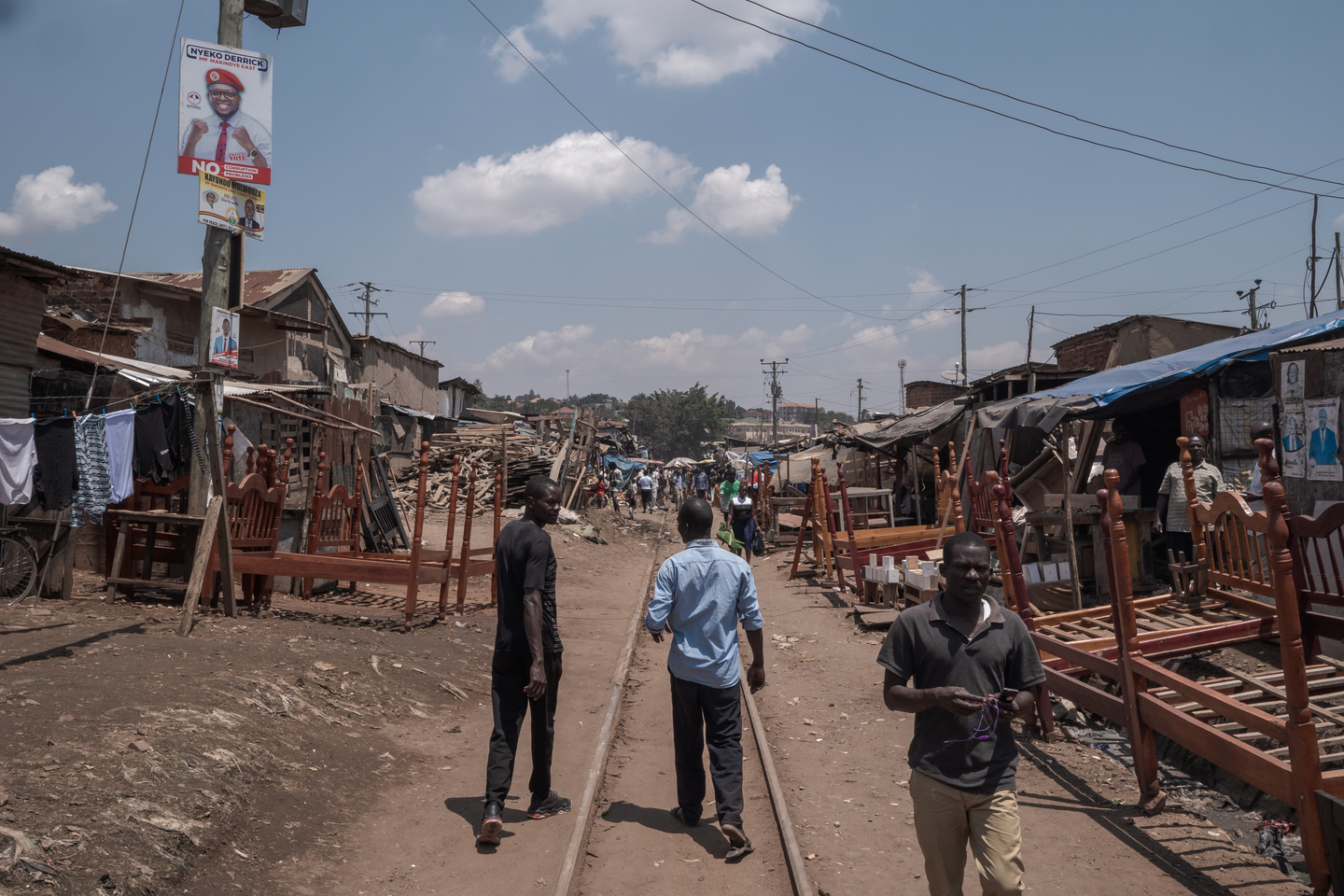
In Namuwongo, one of Kampala’s poorest informal settlements, 90% of households live on less than €1 per day. According to AVSI’s 2024 baseline survey, 81% of families regularly skip meals, 83% lack dietary diversity, and the majority live in inadequate housing without access to safe sanitation. In Kamwokya, similar challenges persist (overcrowding, pollution, and limited public services) with 88% of families experiencing food insecurity and more than half lack proper hygiene facilities.
The project’s second phase will extend to Luzira, where AVSI collaborates with its local partner, the Uganda Discharged Prisoners Aid Society (UDP). These households face compounded vulnerabilities, with 54% female-headed households, 71% lacking vocational skills, and 75% dependent on informal or unstable employment. Most don’t own land and lack access to savings groups or secure housing, further heightening their socio-economico fragility.
Across all three sites, household dependence on external aid, weak social safety nets, and limited livelihood opportunities underscore the need for a targeted, multi-dimensional intervention. The project promotes participation, relationship-building, and learning-by-doing as essential drivers of lasting change, in line with AVSI’s educational approach, centered on the value of the person, the development of individual capabilities, and the creation of supportive community environments. This is done through a consistent accompaniment, fostering responsibility and empowerment so that individuals and families become key actors in their own development. The project directly addresses these challenges through an integrated approach combining food and nutrition support, psychosocial well-being, and economic empowerment. It aligns closely with the NaEPF’s priorities of advancing child well-being and household resilience, with a strong emphasis on women-led families living in extreme urban poverty.
The project is structured around two core pillars:
- Enhancing food security and nutrition: the project will improve nutrition, health, gender, and WASH practices through weekly coaching sessions that promote balanced diets, disease prevention, hygiene, and shared household decision-making. It will also strengthen psychosocial well-being and child development by providing caregivers with psychosocial support and parenting education, fostering nurturing home environments.
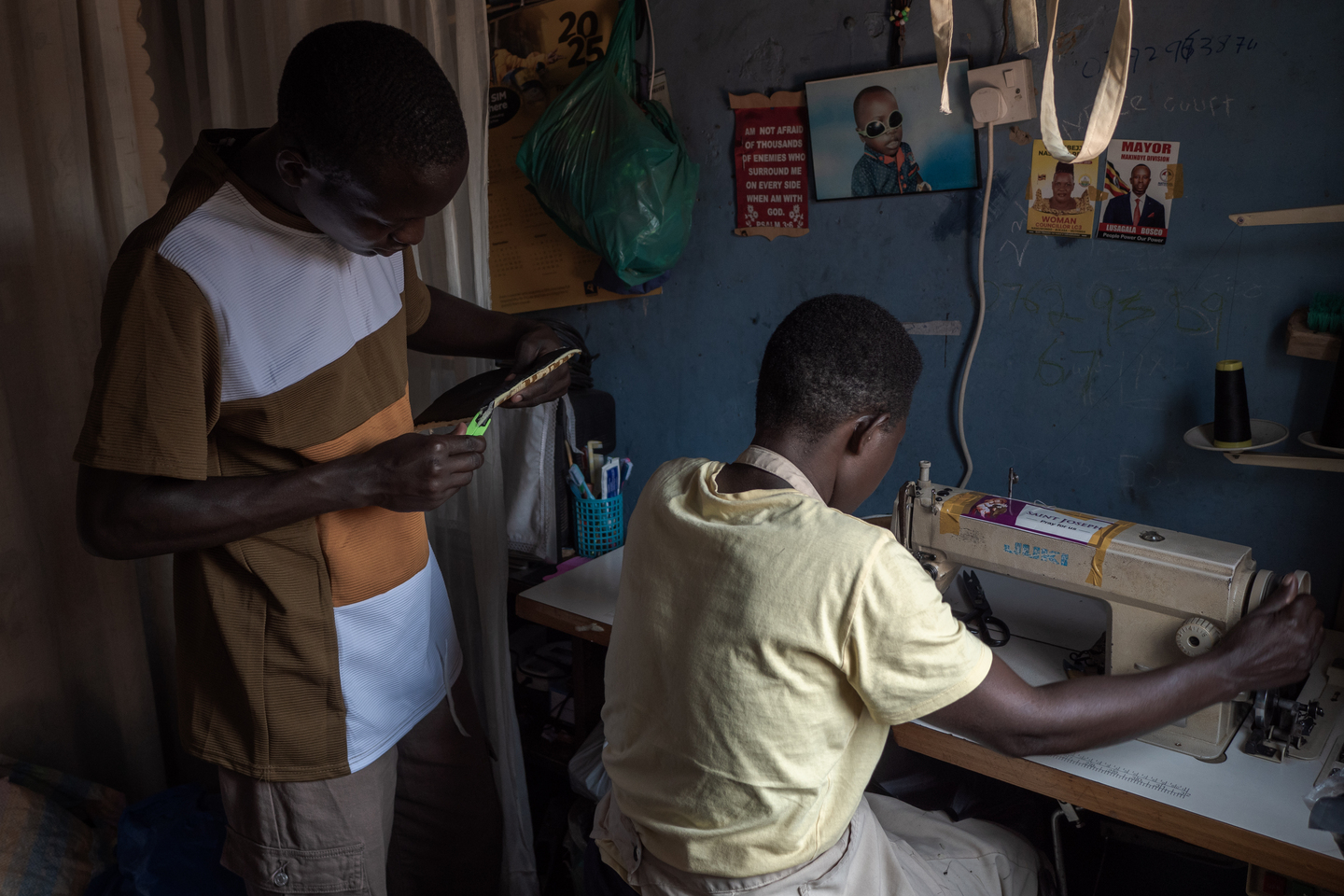
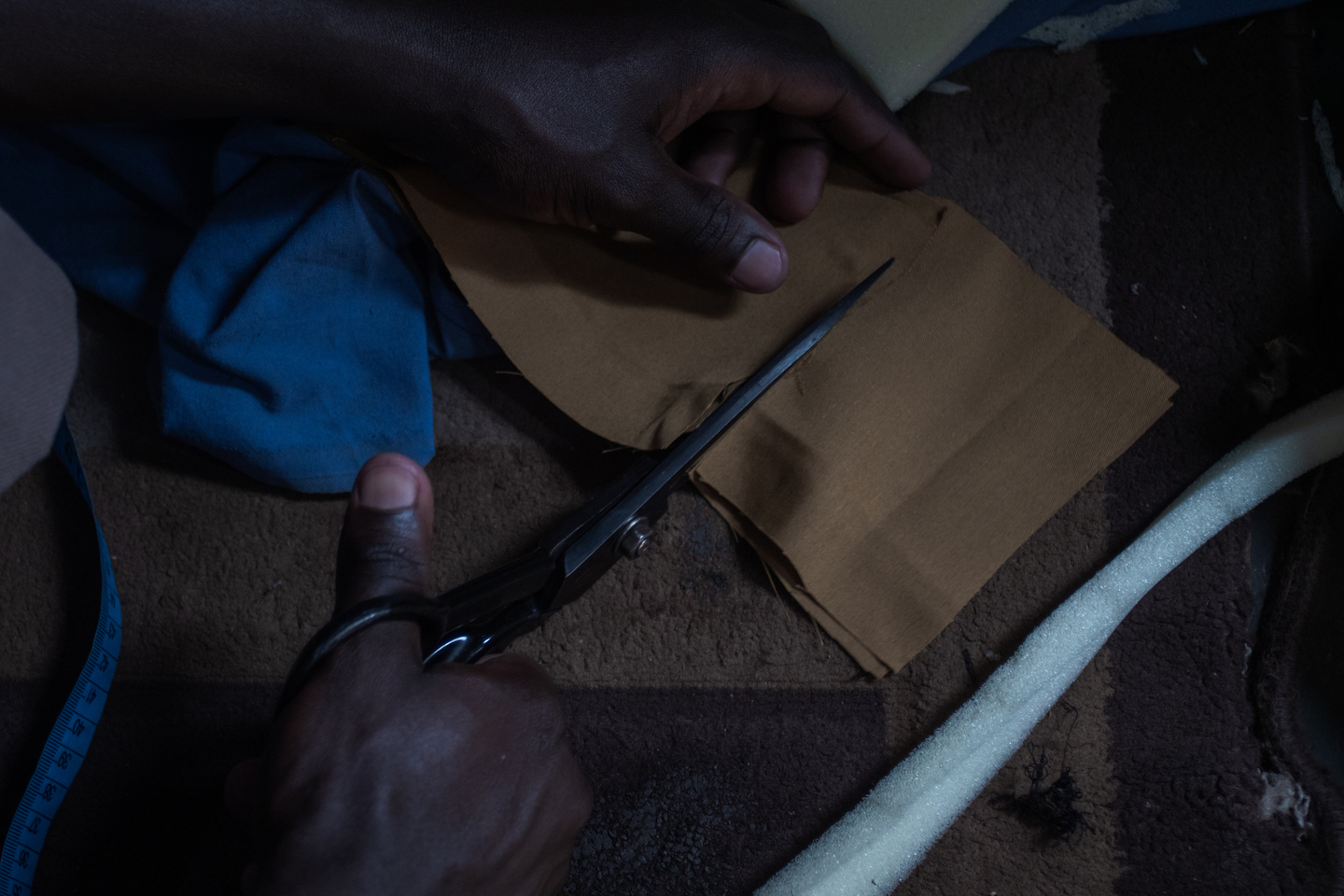
- Increasing economico security: focuses on building economic resilience by increasing household assets through business coaching, start-up support, and entrepreneurship training. It will promote financial inclusion through Village Savings and Loan Associations (VSLAs), financial literacy programs, and linkages to formal financial institutions. Furthermore, the project will enhance market access by organizing producer groups, delivering training in value addition and market management, and supporting participation in competitive markets. Finally, it will build on-farm, off-farm, and non-farm livelihood skills, including climate-smart agriculture and vocational trades, complemented by mentorship and apprenticeships to promote job creation and self-employment.
Together, these interventions aim to foster lasting improvements in household stability and self- reliance, directly benefiting 200 vulnerable families in Kampala: 112 households from Kamwokya and Namuwongo (approximately 706 individuals) and 88 households from Luzira (around 554 individuals), for a total of 1,260 direct beneficiaries.