

 " alt="Supporting BirdLife International in the restoration of the large-scale forest ecosystem in the San Rafael Reserve, Paraguay">
©All rights reserved Cindy Galeano / Guyra Paraguay
" alt="Supporting BirdLife International in the restoration of the large-scale forest ecosystem in the San Rafael Reserve, Paraguay">
©All rights reserved Cindy Galeano / Guyra Paraguay
Supporting BirdLife International in the restoration of the large-scale forest ecosystem in the San Rafael Reserve, Paraguay
Grantee: BirdLife International
Location: Paraguay, South America
Grant Cycle: 2025 – 2028
Type of Grant: three-year program support,
Environment & Biodiversity Protection
Website: www.birdlife.org
Environment & Biodiversity Protection
Founded in 1922, BirdLife International is the world’s largest global partnership of non- governmental organizations dedicated to the conservation of birds, their habitats, and biodiversity worldwide. Operating across 119 countries and territories through a network of independent national organizations, BirdLife International exemplifies that addressing global conservation challenges requires coordinated, collective action. Its vision is a world in which nature and people coexist and thrive together in an equitable and sustainable manner.
BirdLife’s work spans a wide range of thematic programmes, including flyway conservation, forest restoration, climate action and nature-based solutions, marine biodiversity conservation, species recovery, and conservation finance. Through its Flyways Programme, BirdLife seeks to protect and restore the integrity of major global migratory routes by reducing threats to migratory birds and conserving networks of critical sites and habitats that support both biodiversity and local communities.
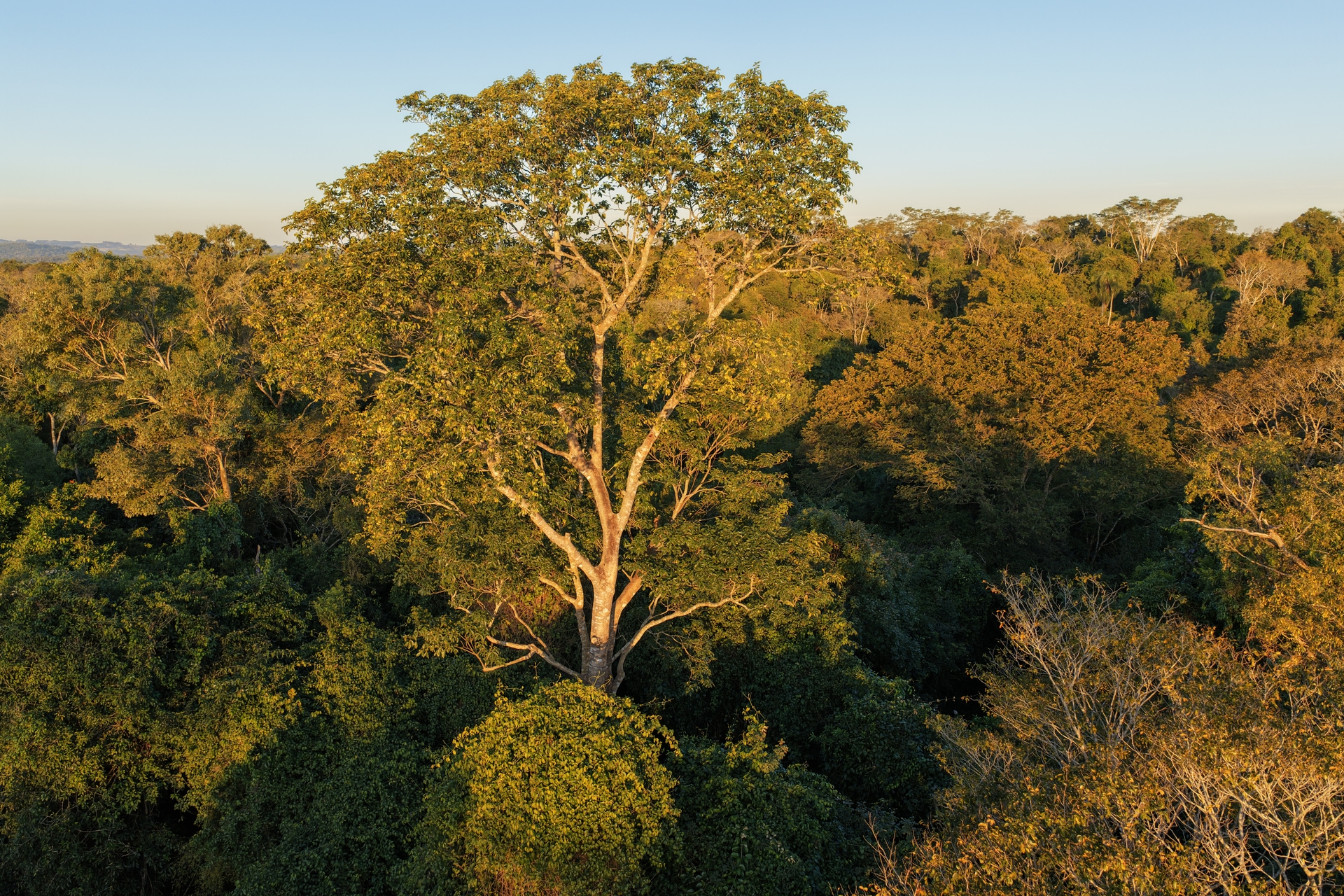
Over the past decade, BirdLife and its partner Guyra Paraguay have been actively engaged in ecological restoration within the San Rafael Reserve, a 73,000-hectare landscape in southeastern Paraguay spanning the departments of Itapúa and Caazapá. Through the implementation of agroforestry models, their work has supported forest recovery while generating sustainable livelihoods for local communities.
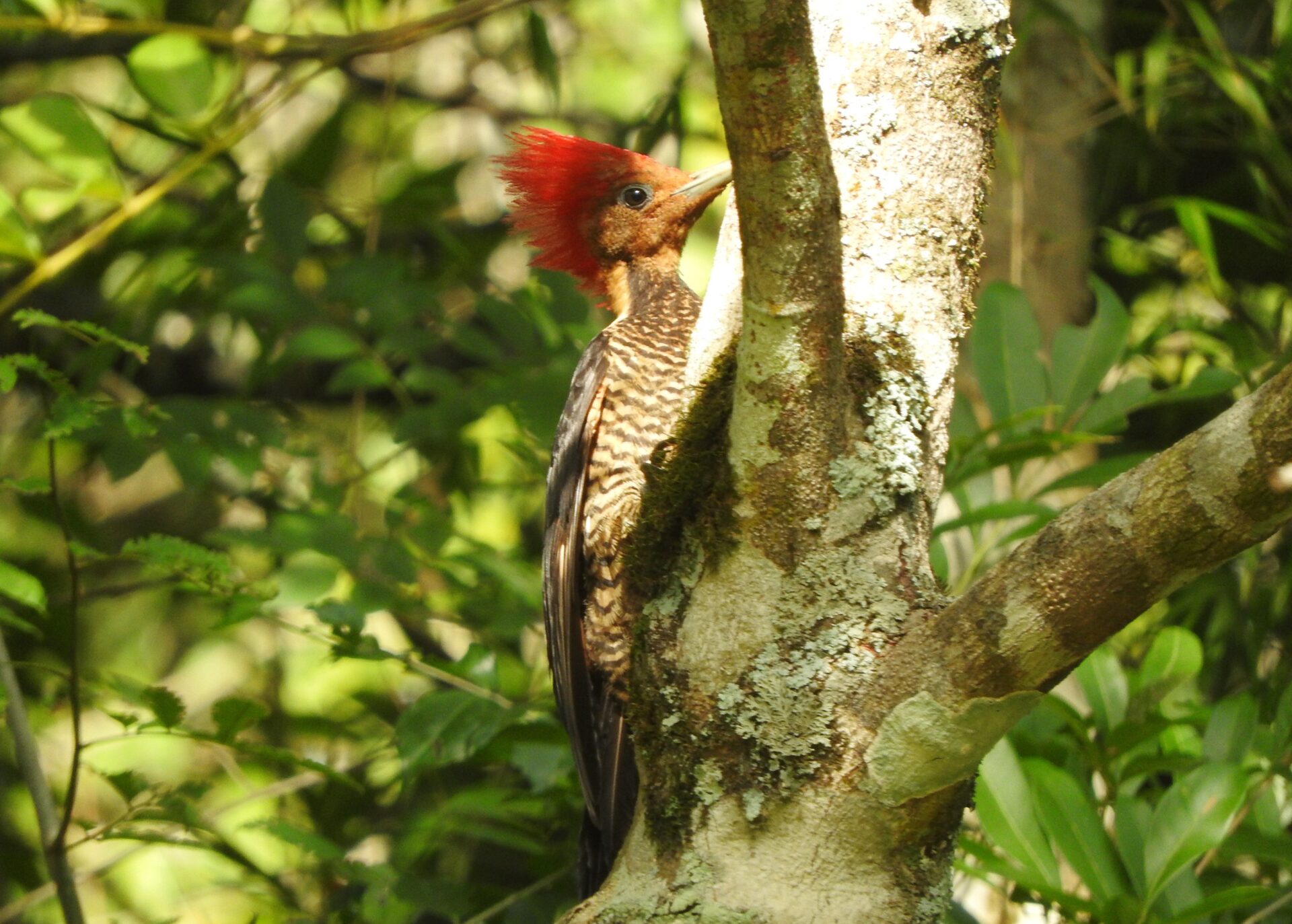
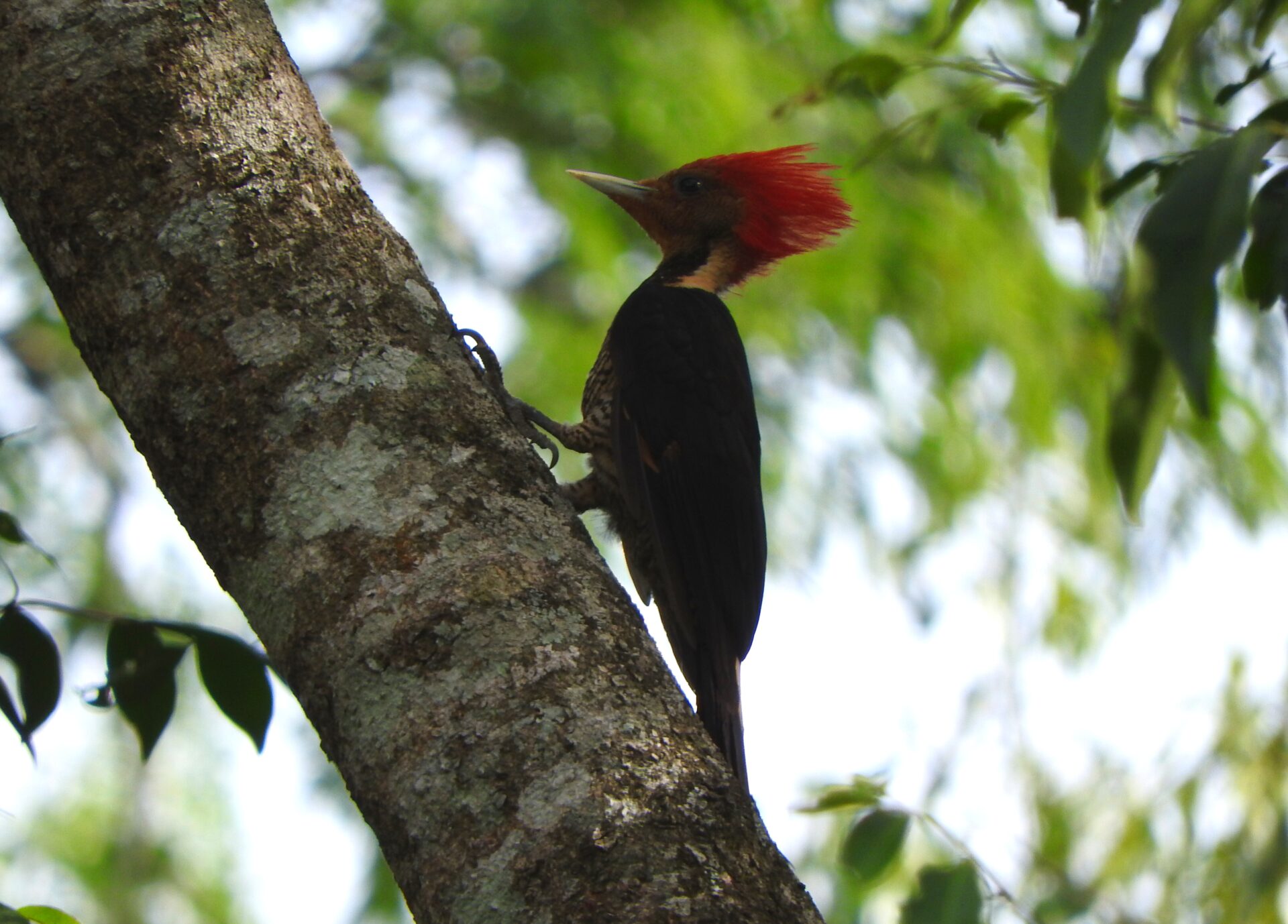
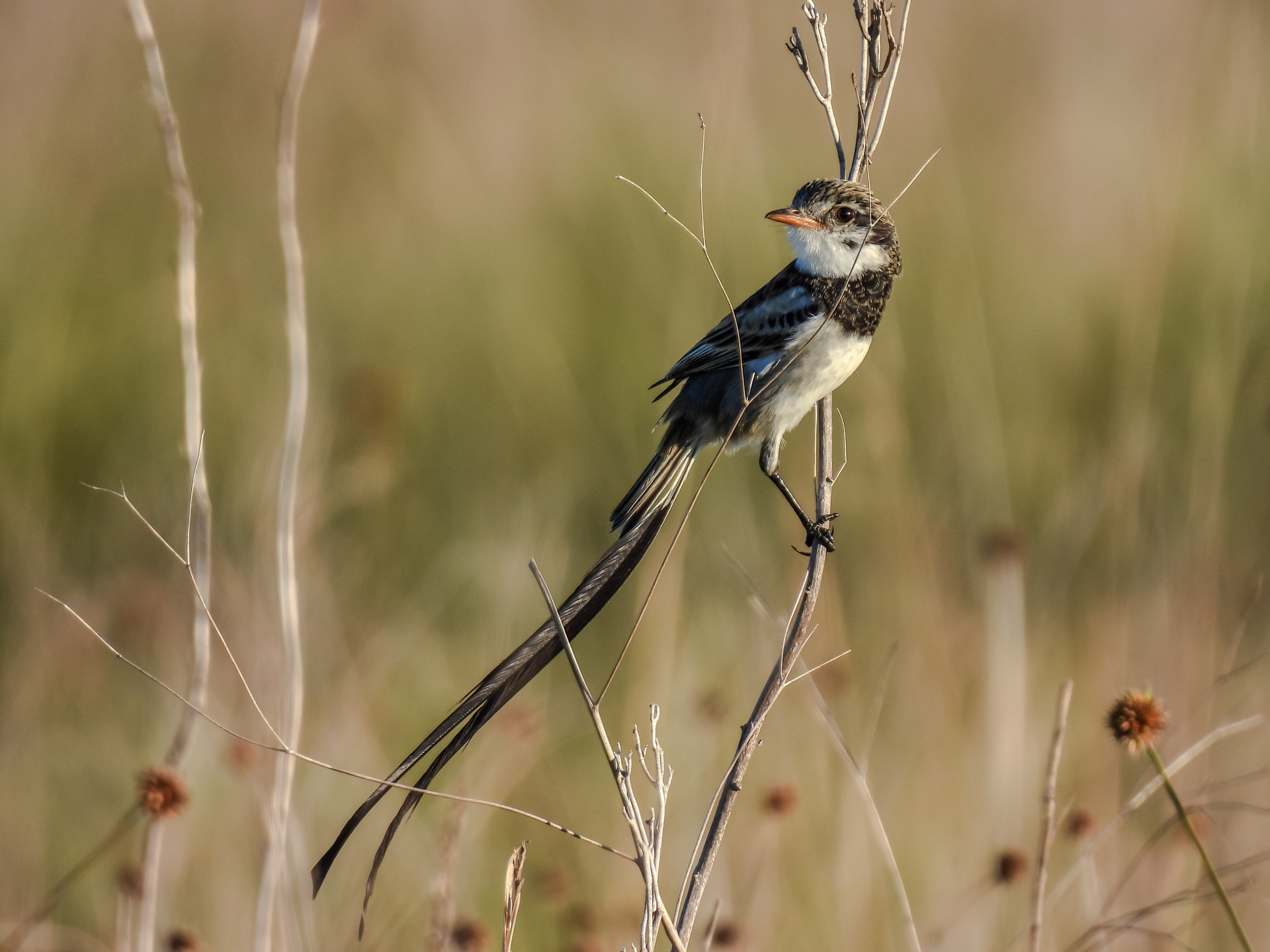
San Rafael forms part of the Atlantic Forest, one of the world’s most threatened biodiversity hotspots, and encompasses a complex mosaic of semi-deciduous forests, native grasslands, wetlands, gallery forests, and river systems. This ecological diversity underpins exceptionally high biodiversity, including many endemic and globally threatened species. Recognized as Paraguay’s highest conservation priority, San Rafael was designated a “Reserve for a National Park,” became the country’s first Important Bird Area (IBA) in 1997, and was formally confirmed as a Key Biodiversity Area (KBA) in 2024. More than 440 bird species have been recorded, including 57 Atlantic Forest endemics, 12 globally threatened species, and 17 near-threatened species.
Despite its ecological importance and international recognition, San Rafael remains highly vulnerable. Legal ambiguity and weak enforcement have limited effective protection, contributing to ongoing deforestation driven by agricultural expansion, illegal logging, and illicit crop cultivation. These pressures are fragmenting forest habitats, accelerating ecosystem degradation, and increasing wildfire risk.
In response, BirdLife is advancing an integrated approach that combines ecological restoration with strengthened governance and the development of a robust Free, Prior and Informed Consent (FPIC) framework. These elements are embedded within the design of an Afforestation, Reforestation, and Revegetation (ARR) carbon project, with a focus on establishing the enabling conditions required for its future development and implementation.
The project supported by the Nando and Elsa Peretti Foundation (NaEPF), aligned with its mission to foster a harmonious and sustainable relationship between human and nature, will contribute to restoring the ecological functions of the degraded San Rafael landscape while delivering tangible benefits for local and Indigenous communities. The project will pursue three interlinked objectives:
- Restore priority forest areas through three ecologically appropriate models: native forest restoration of degraded areas, assisted natural regeneration of secondary forests, and the sustainable management of shade-grown yerba mate systems, to enhance habitat quality and ecosystem functionality.
- Facilitate a Free, Prior, and Informed Consent (FPIC) framework with relevant stakeholders and project beneficiaries, establishing the basis for a future participatory process and laying the groundwork for the co-design and validation of a carbon project, once enabling conditions are in place.
- Strengthen forest governance and institutional capacity by establishing inclusive decision- making platforms, clear operational protocols, and enhanced technical capacities within Guyra Paraguay to implement and scale effective restoration strategies.
By integrating ecological restoration with inclusive governance and financial sustainability, the project offers a scalable model for achieving durable conservation outcomes and social justice in one of South America’s most ecologically important and vulnerable landscapes.
 ©All rights reserved BirdLife International / Selene Davey
