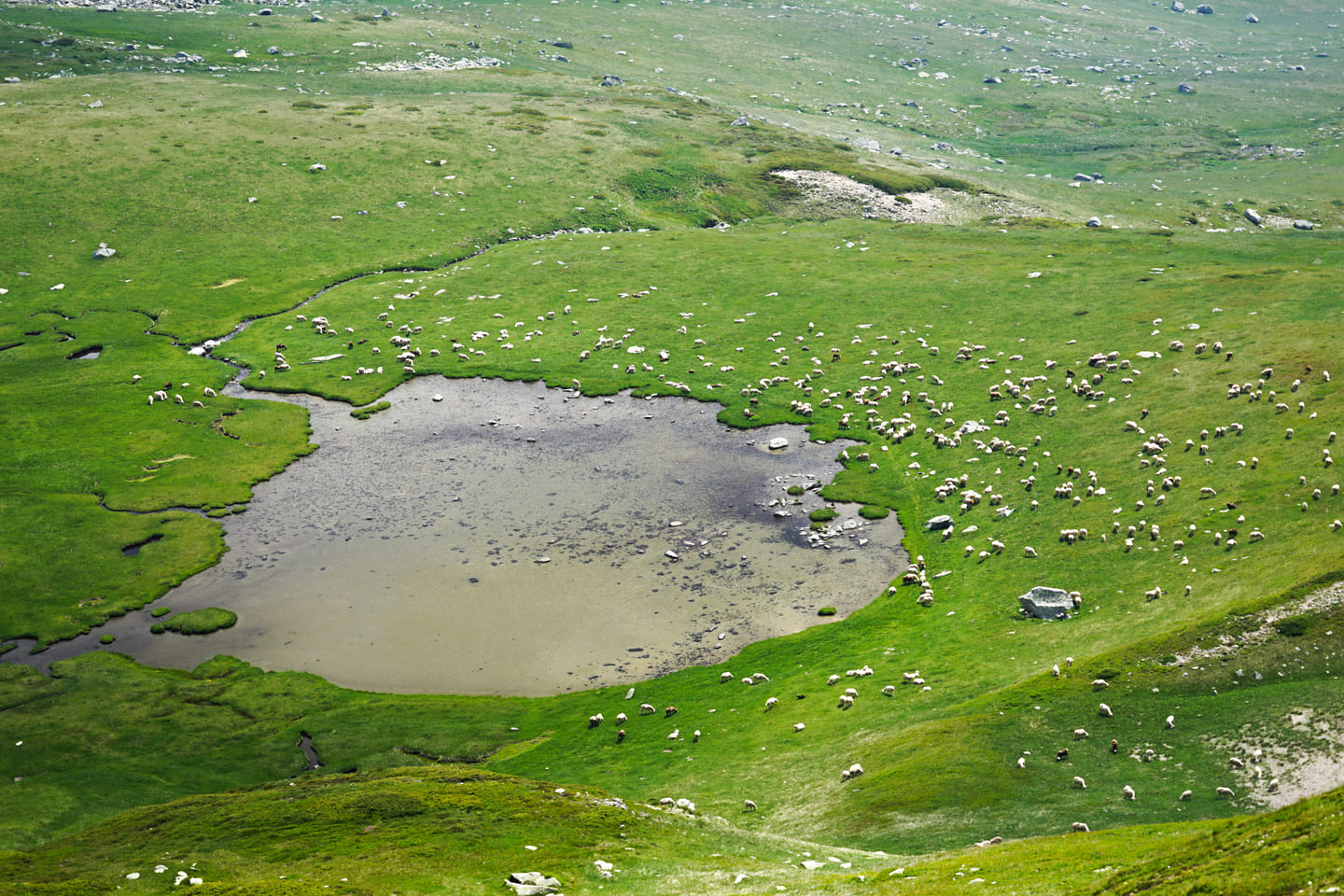
" alt="Supporting EuroNatur in safeguarding the Shar–Korab-Koritnik–Mavrovo mountain pastures ecosystem in the Balkans">
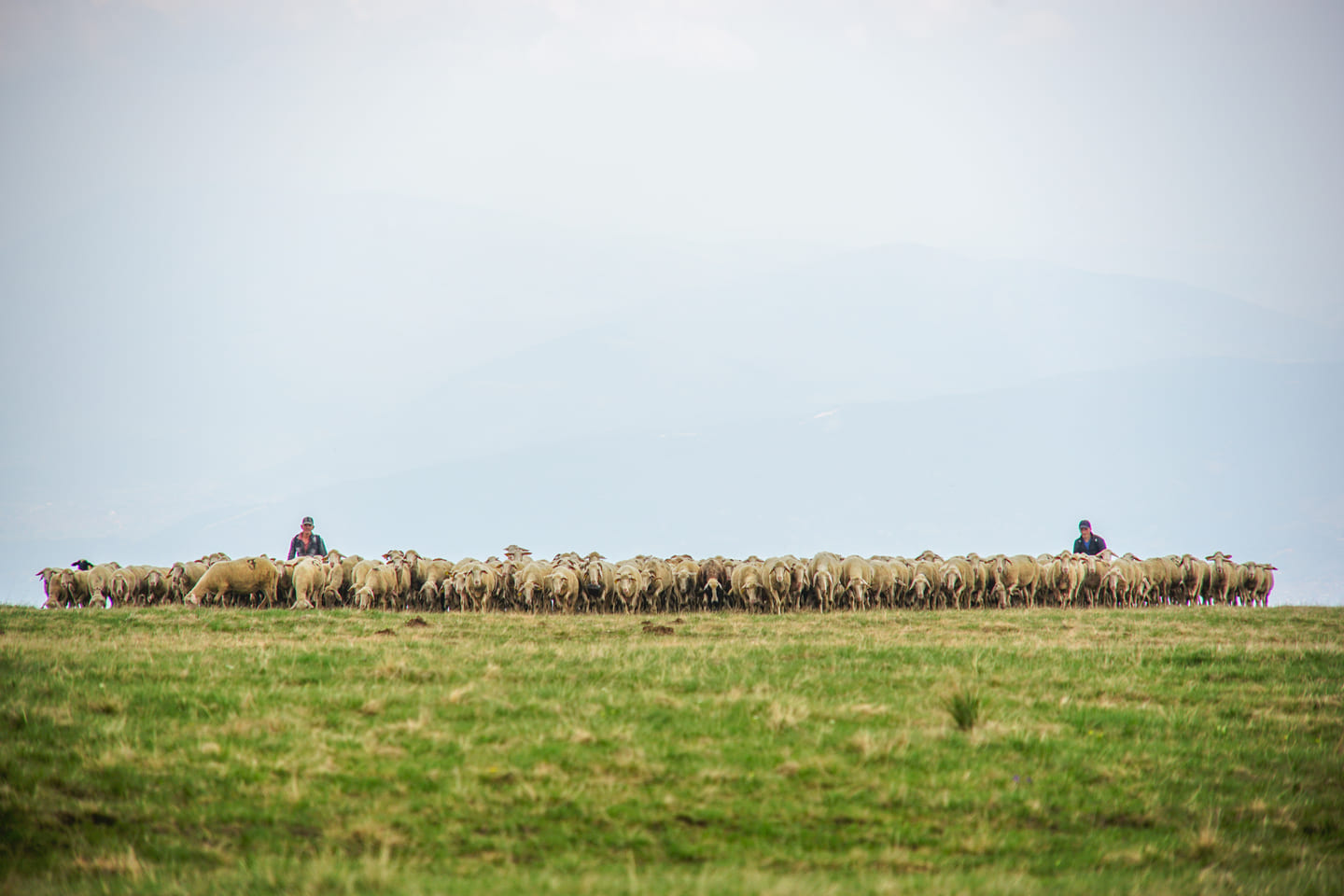
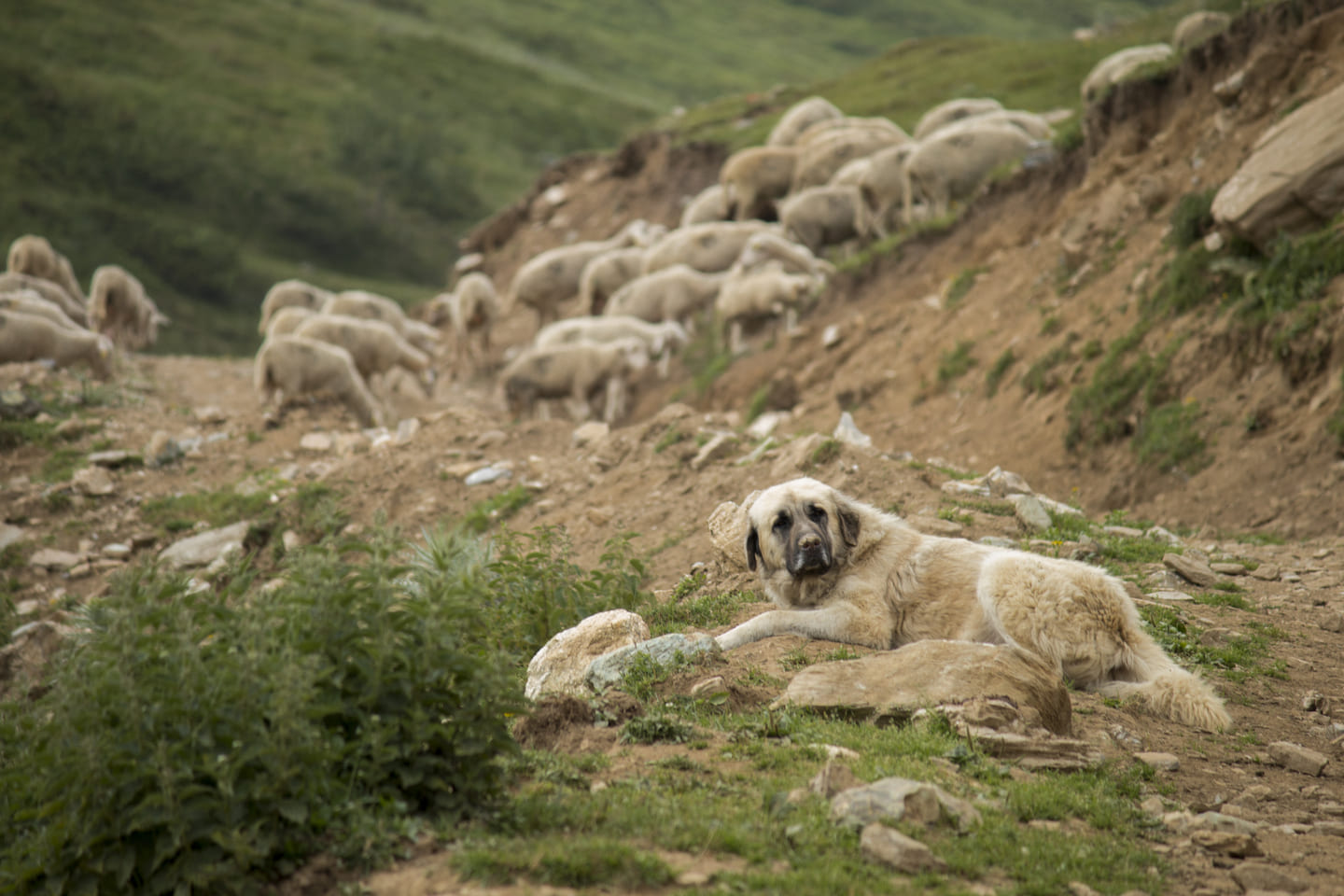
Shar Shepherding ©All rights reserved Jovan Bozinoski / EuroNatur
" alt="Supporting EuroNatur in safeguarding the Shar–Korab-Koritnik–Mavrovo mountain pastures ecosystem in the Balkans">
Shar Shepherding ©All rights reserved Jovan Bozinoski / EuroNatur
Supporting EuroNatur in safeguarding the Shar–Korab-Koritnik–Mavrovo mountain pastures ecosystem in the Balkans
Grantee: EuroNatur – Stiftung Europäisches Naturerbe
Location: North Macedonia – Albania – Kosovo, Europe
Grant Cycle: 2025 – 2028
Type of Grant: three-year program support,
Environment & Biodiversity Protection
Website: euronatur.org
Environment & Biodiversity Protection
EuroNatur is a non-profit foundation established in 1987 to protect species and habitats in Europe by supporting local conservation organisations and fostering international cooperation. Its key initiatives include advancing the European Green Belt, safeguarding European rivers and wetlands, protecting wilderness and cultural landscapes, and implementing species conservation projects, such as those focused on migratory birds. EuroNatur has been active in the Balkans for more than 15 years. As the regional coordinator for the southernmost section of the European Green Belt, it works closely with local partners to safeguard this unique landscape.
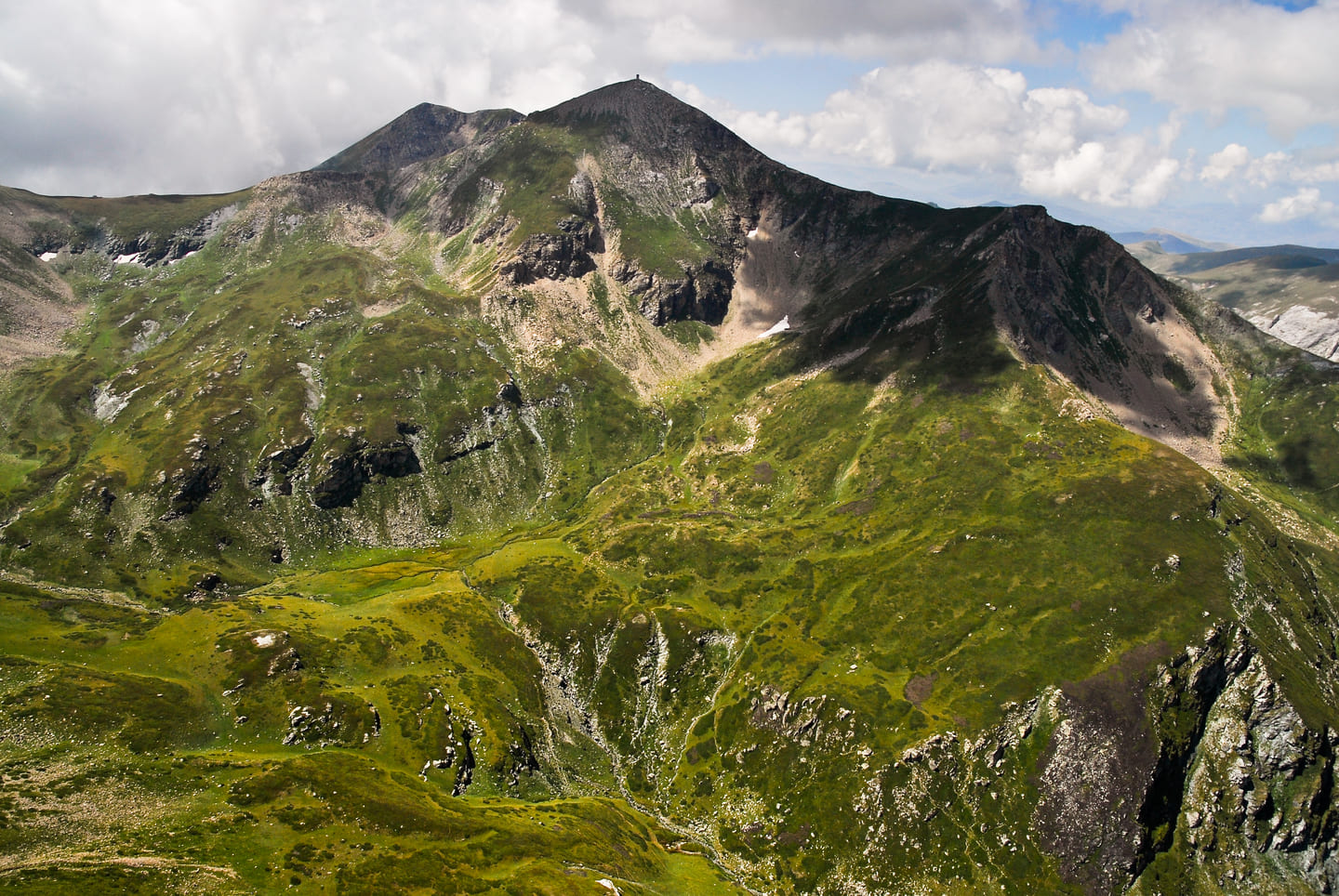
The Shar-Korab-Koritnik-Mavrovo area is a transboundary biodiversity hotspot and conservation area spanning the borders of North Macedonia, Kosovo, and Albania. It constitutes one of the largest and highest mountain ranges on the Balkan Peninsula, with Titov Vrv in North Macedonia reaching an elevation of 2,747 meters. The region comprises a heterogeneous mosaic of natural and cultural habitats. Old-growth forests provide critical refuges for numerous species such as brown bears, wolves, and lynx, while cultural habitats like pastures support rich biodiversity shaped by centuries of human use. The interplay of these habitats leads the region’s exceptionally high biological diversity, including numerous endemic, rare, and relict species.
Owing to its outstanding ecological value, significant portions of the mountain range are under formal protection. In Kosovo, the area is designated as Shar Mountain National Park; in North Macedonia, it includes the Shar and Mavrovo National Parks; and in Albania, it is safeguarded as Korab-Koritnik Nature Park. Since 2006, the establishment of a trilateral Transboundary Protected Area has been envisioned, although its implementation remains pending.
Despite formal protection, human pressures on the region’s natural resources continue to rise, threatening both natural and cultural heritage. Overexploitation of soil, plants, animals, and timber, along with habitat loss from infrastructure, is compounded by limited economic opportunities, leading to unsustainable use or land abandonment. These pressures are particularly severe on the Shar-Korab-Koritnik-Mavrovo pastures, where both overuse and neglect undermine biodiversity- rich cultural habitats.
The preservation of the region’s pastures requires not only effective protected area management but also the sustainable use of natural resources by local communities, ensuring that people have the capacity and resources to maintain their livelihoods through responsible stewardship. Over the past years, EuroNatur has played a key role in the establishment and development of local action groups (LAGs) across the three countries and in supporting 13 model projects on sustainable development, including three flagship initiatives. This work has consistently included the conservation and promotion of pastures, providing a solid foundation for intensified efforts to protect this highly threatened habitat type.
The Nando and Elsa Peretti Foundation (NaEPF) has long been committed to preserving the unique ecosystem of the Balkans and, in pursuit of its mission to promote long-term sustainable coexistence between humans and nature, supports EuroNatur’s efforts in the region. The supported project aims to safeguard the Shar-Korab-Koritnik-Mavrovo mountain pastures by enhancing knowledge, demonstrating pilot restoration and sustainable management practices, and providing actionable recommendations for scaling these measures. These biodiversity-rich pastures, shaped over millennia by traditional transhumance, face increasing threats from overuse, abandonment, infrastructure development, and habitat degradation. By combining restoration, sustainable management, and knowledge transfer, the project seeks to secure the long-term conservation of this unique cultural and natural landscape.
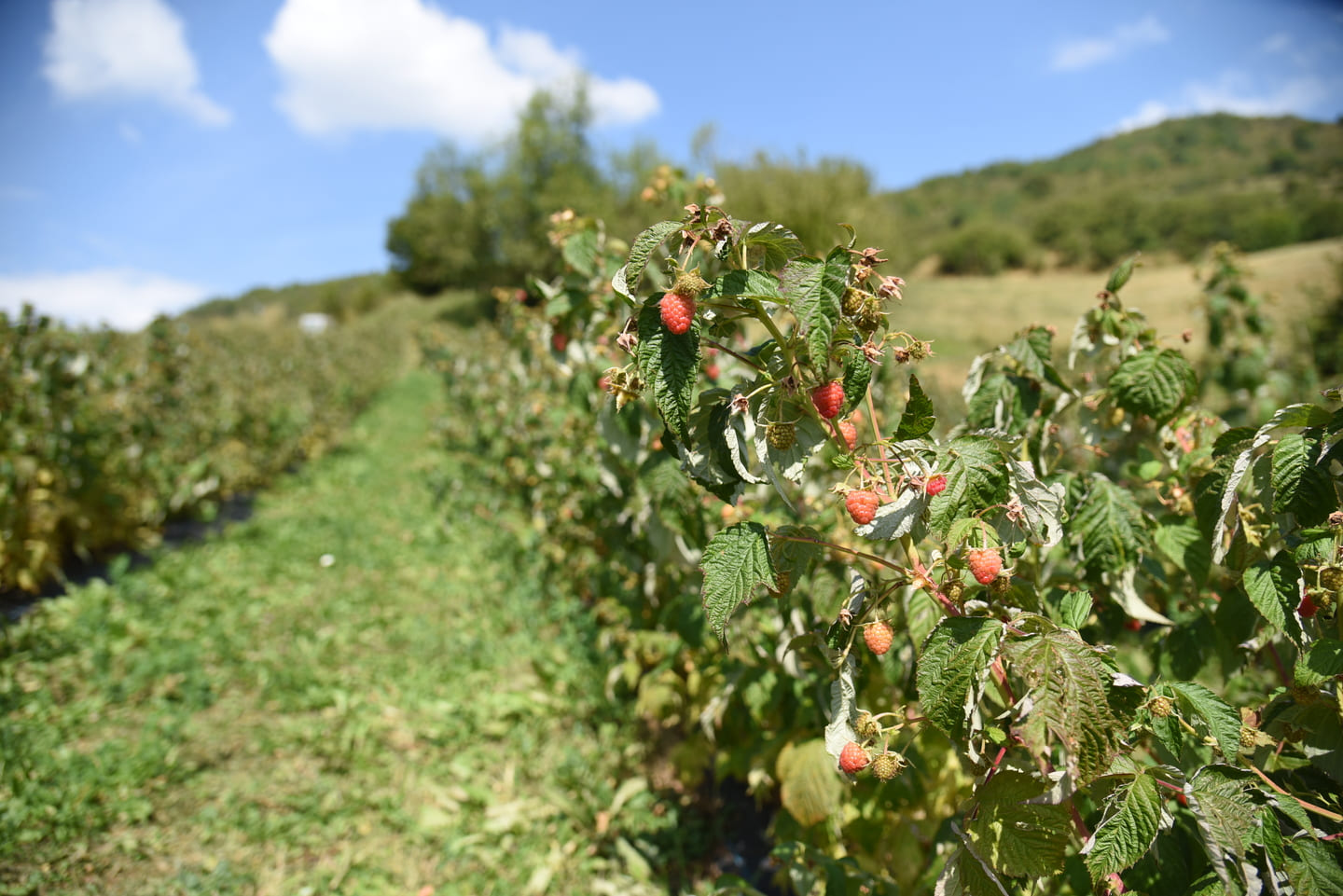
More in the detail, the project is structured around five integrated strategies designed to safeguard the Shar-Korab-Koritnik-Mavrovo pastures. The first focuses on knowledge, management, and restoration, aiming to deepen understanding of the region’s pastures, evaluate current practices, develop nature-friendly management recommendations, and implement pilot restoration measures. The second strategy promotes the sustainable cultivation and marketing of medicinal and aromatic plants, equipping farmers with training and resources while supporting the promotion of local products. The third addresses policy, assessing existing subsidies for pasture management and plant cultivation, formulating recommendations for nature-friendly measures, and advocating for their adoption by decision-makers. The fourth strategy enhances environmental education, raising awareness among stakeholders and the public about the value and threats to pastures and medicinal plants. The fifth strategy fosters cooperation and exchange, strengthening collaboration among project partners, local stakeholders, and international networks through transboundary activities and knowledge sharing.
Together, these strategies advance the project’s long-term vision: “The outstanding mosaic mountain landscape of the transboundary Shar-Korab-Koritnik-Mavrovo region is conserved through a competent and engaged local population that drives sustainable regional development based on the wise use of natural resources.”