

 " alt="Supporting Fauna & Flora in advancing transformative conservation programme in Mozambique">
©All rights reserved Fauna & Flora / Alfredo Gotine
" alt="Supporting Fauna & Flora in advancing transformative conservation programme in Mozambique">
©All rights reserved Fauna & Flora / Alfredo Gotine
Supporting Fauna & Flora in advancing transformative conservation programme in Mozambique
Grantee: Fauna & Flora
Location: Mozambique, Africa
Grant Cycle: 2025 – 2027
Type of Grant: two-year program support,
Environment & Biodiversity Protection
Website: fauna-flora.org
Environment & Biodiversity Protection
Established in 1903, Fauna & Flora is the world’s oldest international conservation organization. For more than 120 years, it has worked with partners across the globe to safeguard threatened species and ecosystems.
Chimanimani National Park, located in central Mozambique along the border with Zimbabwe, constitutes the ecological core of the Chimanimani Trans-Frontier Conservation Area (TFCA), a 4,100 km² transboundary landscape of exceptional biodiversity and cultural value. Despite its ecological importance, Chimanimani faces multiple, interrelated threats that undermine ecosystem integrity. Habitat degradation driven by unsustainable land-use practices, deforestation, and artisanal mining has led to forest loss, soil erosion, and fragmentation of key habitats. Poaching continue to place strain of wildlife populations, while invasive alien species and increasingly frequent climate-related shocks, such as droughts and extreme weather events, further weak ecological resilience. As a result od land use changes, human-wildlife conflict is intensifying in buffer zone communities, where crop damage and livestock loss undermine food security and household income. At the same time, operational and infrastructural limitations constrain the Chimanimani National Park’s ability to respond effectively to these challenges. Although Chimanimani holds considerable potential for eco- and cultural tourism, underdeveloped facilities and services restrict opportunities to generate sustainable revenue and local employment.
In response, Fauna & Flora, in partnership with Mozambique’s National Administration of Conservation Areas (ANAC), is implementing a rights-based, community-centred conservation strategy. This approach integrates biodiversity protection with social equity by supporting the formalisation of community land tenure in areas adjacent to the Park, facilitating participatory land-use planning, and promoting diversified, sustainable livelihood options. Initiatives such as beekeeping, aquaculture, syntropic and regenerative agriculture, and the development of value chains for non-timber forest products aim to strengthen household resilience while reinforcing conservation outcomes. Together, these measures seek to enhance ecological stability, foster local stewardship, and align long-term socio-economic development with environmental protection.
The Nando and Elsa Peretti Foundation (NaEPF), in line with its mission to foster a harmonious relationship between people and nature, is supporting Fauna & Flora in Mozambique through the programme “Investing in Impact: A Conservation-Driven Future for Chimanimani.”
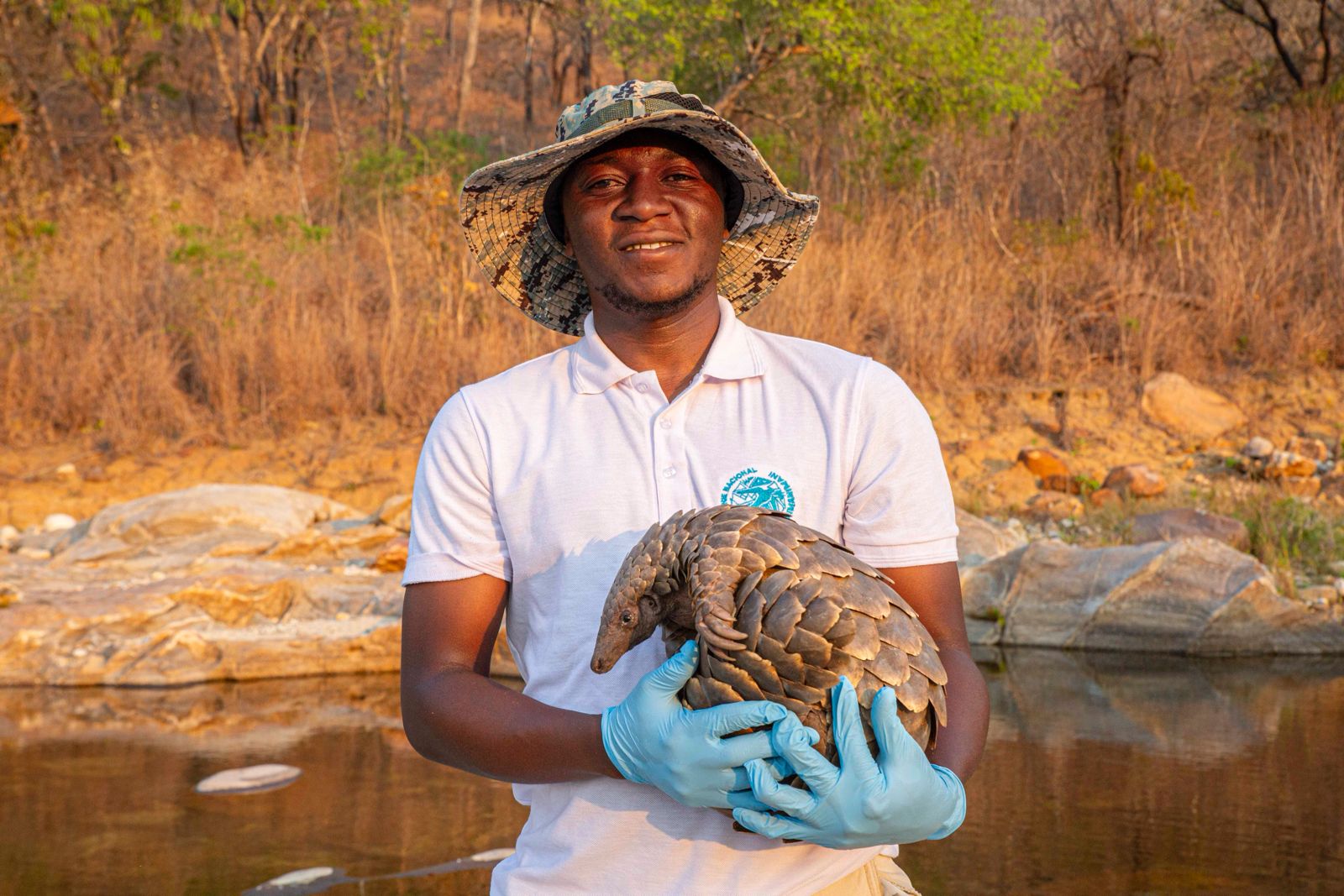
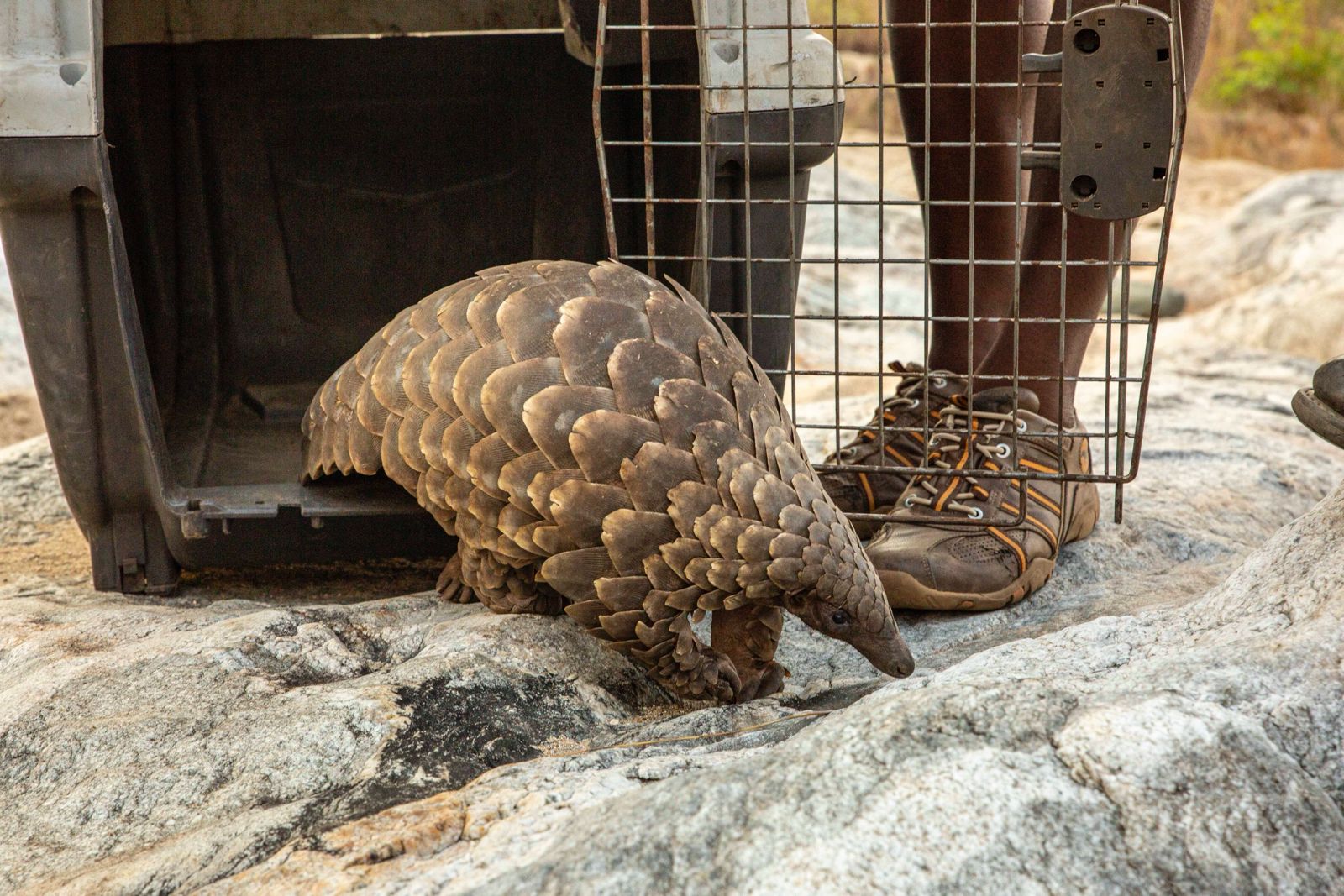
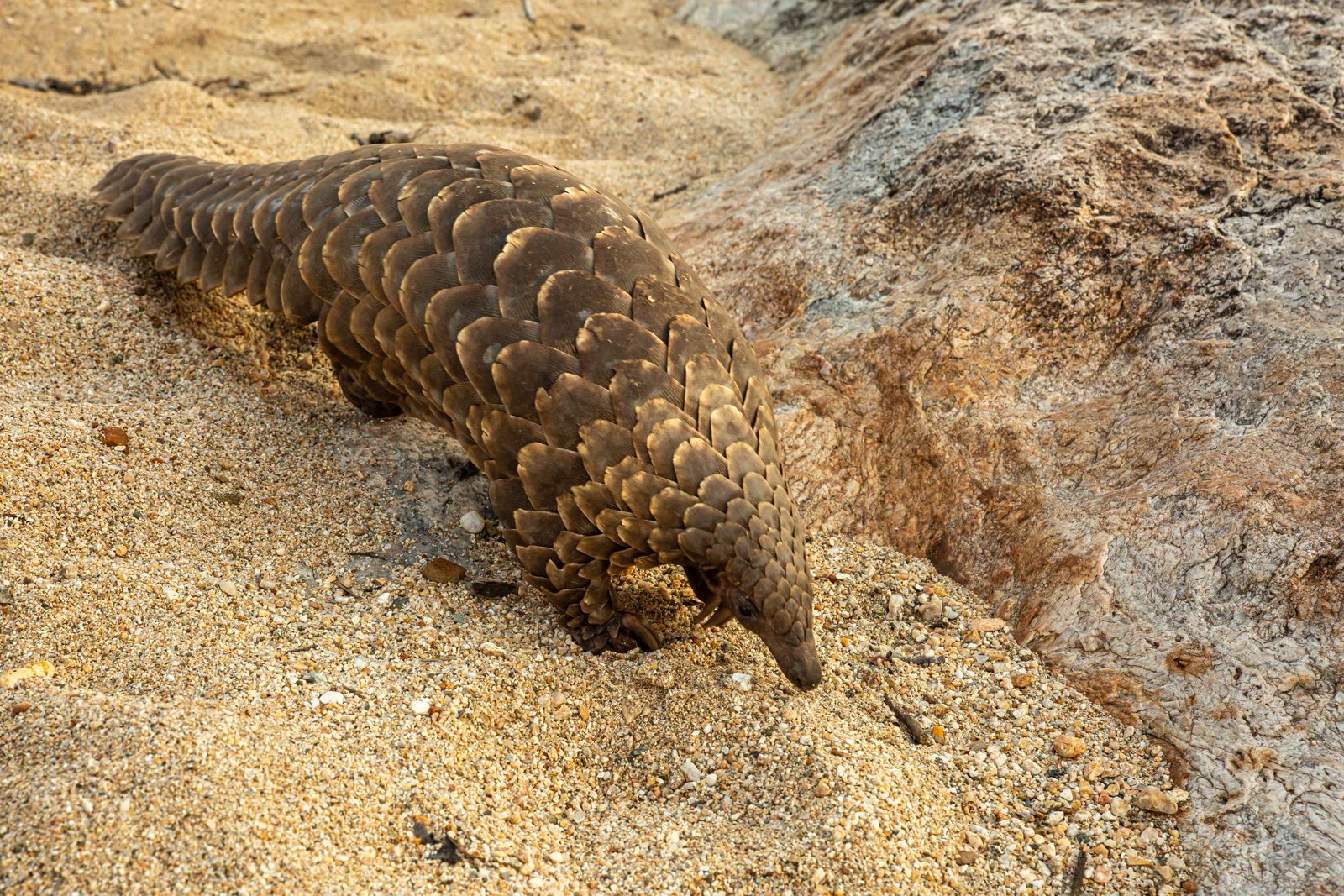
The initiative envisions a resilient and sustainably managed landscape in which thriving ecosystems sustain healthy populations of endemic species, and communities actively partecipate in and benefit from conservation efforts. Central to this vision is inclusive governance, and enhanced operational effectiveness. The project will improve the management of key indicator species, including elephants, and the endemic cave squeaker frog, Olea Chimanimani shrub, and Chirinda apalis bird, by establishing robust monitoring systems to track population trends and habitat health. Standardised biodiversity surveys, GPS-based mapping, systematic game counts using line transects and aerial methods, and elephant collaring will generate baseline data and guide adaptive management. Habitat restoration will target at least 100 hectares of degraded land within core and buffer zones through the propagation of indigenous tree and shrub species, supported by well-managed native plant nurseries responsible for seed collection, germination, transplanting, and ongoing site maintenance.
Law enforcement capacity will be strengthened through expanded patrol coverage across high- risk areas, with daily ranger operations conducted on foot, by motorbike, or by vehicle, accompanied by systematic reporting to evaluate impact and deter illegal activities. Human- wildlife conflict mitigation will focus on practical and preventative solutions delivered in collaboration with fourteen buffer zone communities. Training workshops will build local capacity in deterrent techniques, early warning systems such as geofencing of agricultural land and the use of elephant collar data, and community-based reporting networks.
At the heart of the vision is a commitment to inclusive conservation, where communities are actively engaged in sustainable land use and benefit directly from the protection of their natural and cultural heritage. Through targeted activities, such as biodiversity surveys, game counts, nursery management, ranger patrols, and community training for human-wildlife-conflict, the project aims to improve habitat conditions, reduce illegal activities, increase community resilience, and a functional and maintained park operations. The project also aims to enable a boost to tourism annually, creating new opportunities for cultural and nature-based experiences, for which Chimanimani has an abundance of potential.
To unlock Chimanimani’s tourism potential, the project will support the development of nature- and culture-based visitor experiences, improve infrastructure, strengthen marketing, and train local guides while fostering equitable partnerships with community stakeholders. Parallel financial and logistical assistance will reinforce protected area management, including staffing support, ranger retention, infrastructure maintenance, and improvements to operational facilities.
Through these coordinated interventions, the project establishes the foundational conditions for the long-term protection and effective management of Chimanimani National Park. By fostering healthy ecosystems, viable wildlife populations, and empowered communities who both contribute to and benefit from conservation, the initiative advances a durable and inclusive model of landscape stewardship.
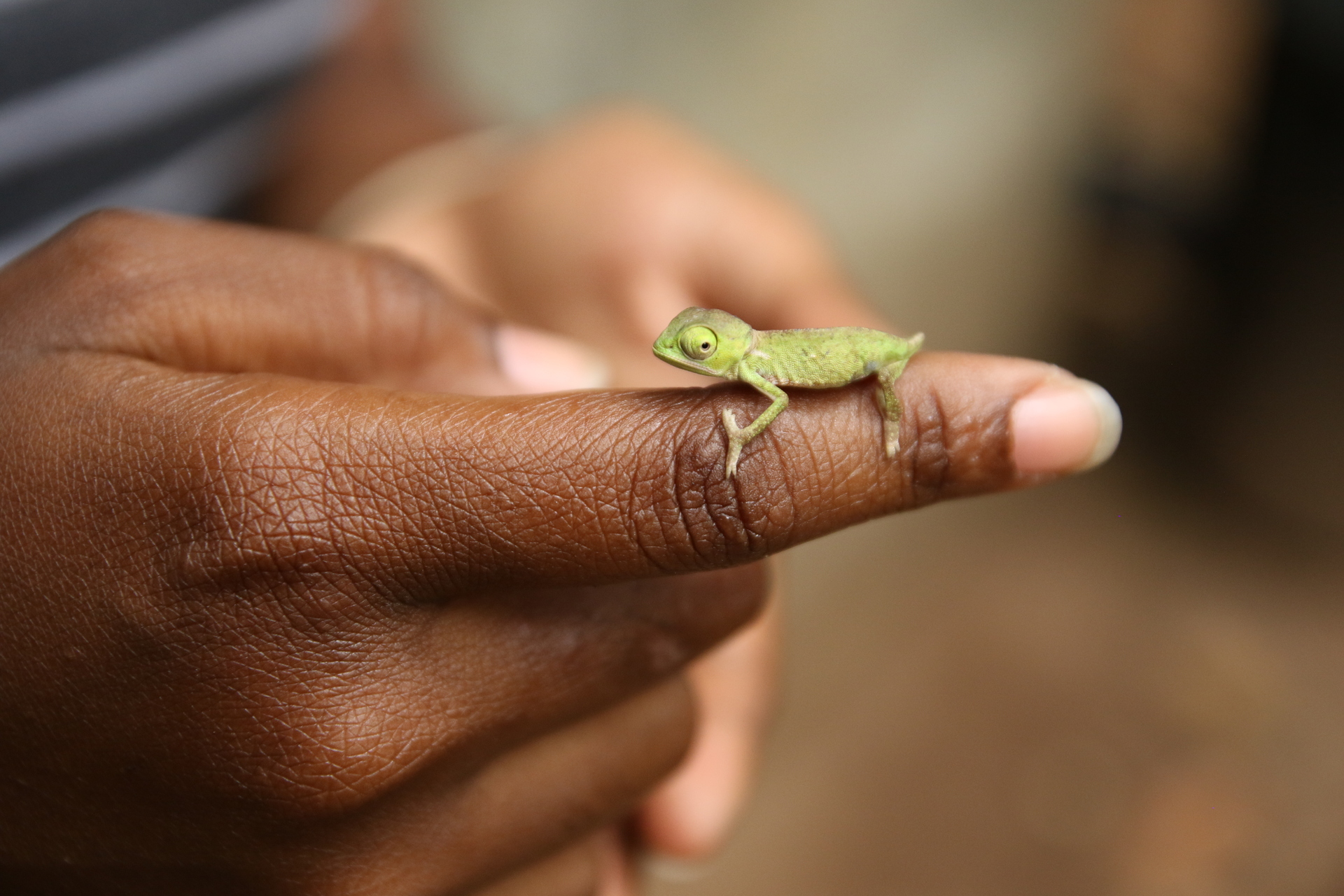 ©All rights reserved Fauna & Flora / Millie Kerr
