" alt="Supporting Fauna & Flora in protecting threatened marine turtle populations in the Nicaraguan Pacific">
©All rights reserved Fauna & Flora / Victor Alvares
" alt="Supporting Fauna & Flora in protecting threatened marine turtle populations in the Nicaraguan Pacific">
©All rights reserved Fauna & Flora / Victor Alvares
Supporting Fauna & Flora in protecting threatened marine turtle populations in the Nicaraguan Pacific
Grantee: Fauna & Flora
Location: Nicaragua, Central America
Grant Cycle: 2025 – 2027
Type of Grant: two-year program support, Animal Welfare & Protection
Website: fauna-flora.org
Animal Welfare
& Protection
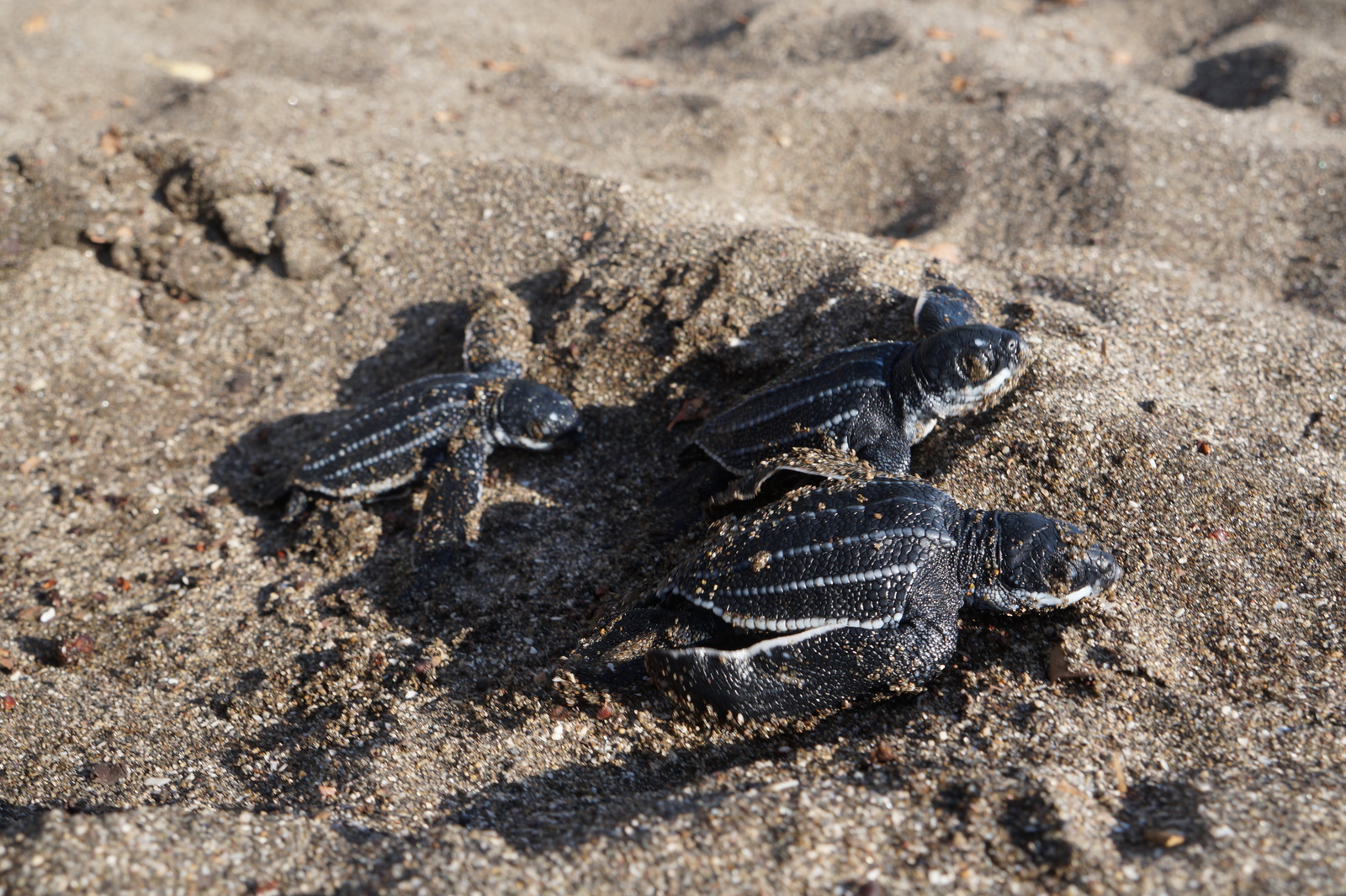
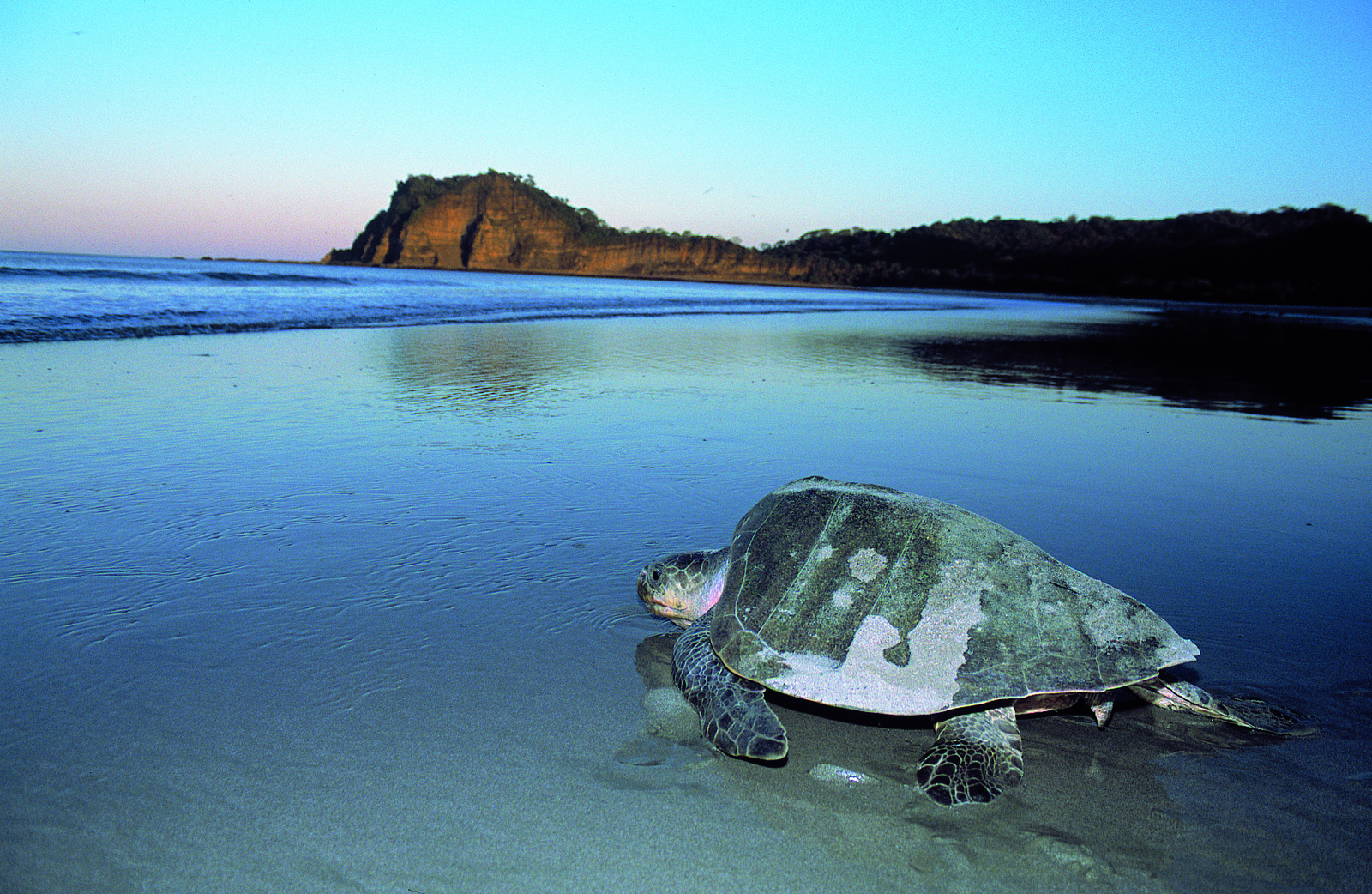
Established in 1903, Fauna & Flora is the world’s oldest international conservation organization. For more than 120 years, it has worked with partners across the globe to safeguard threatened species and ecosystems. In Nicaragua, Fauna & Flora has been active since 1998 through a range of initiatives, among which its long-standing, community-led sea turtle conservation programme plays a central role in facilitating the recovery of the species in the Eastern Pacific. Since 2002, Fauna & Flora’s Marine Turtle Conservation Programme has secured the protection of 32km of the most important turtle nesting beaches in Nicaragua; safeguarded more than 6,000 marine turtle nests; released over 360,000 hatchlings; and established local conservation measures, including nightly beach patrols conducted by trained community teams.
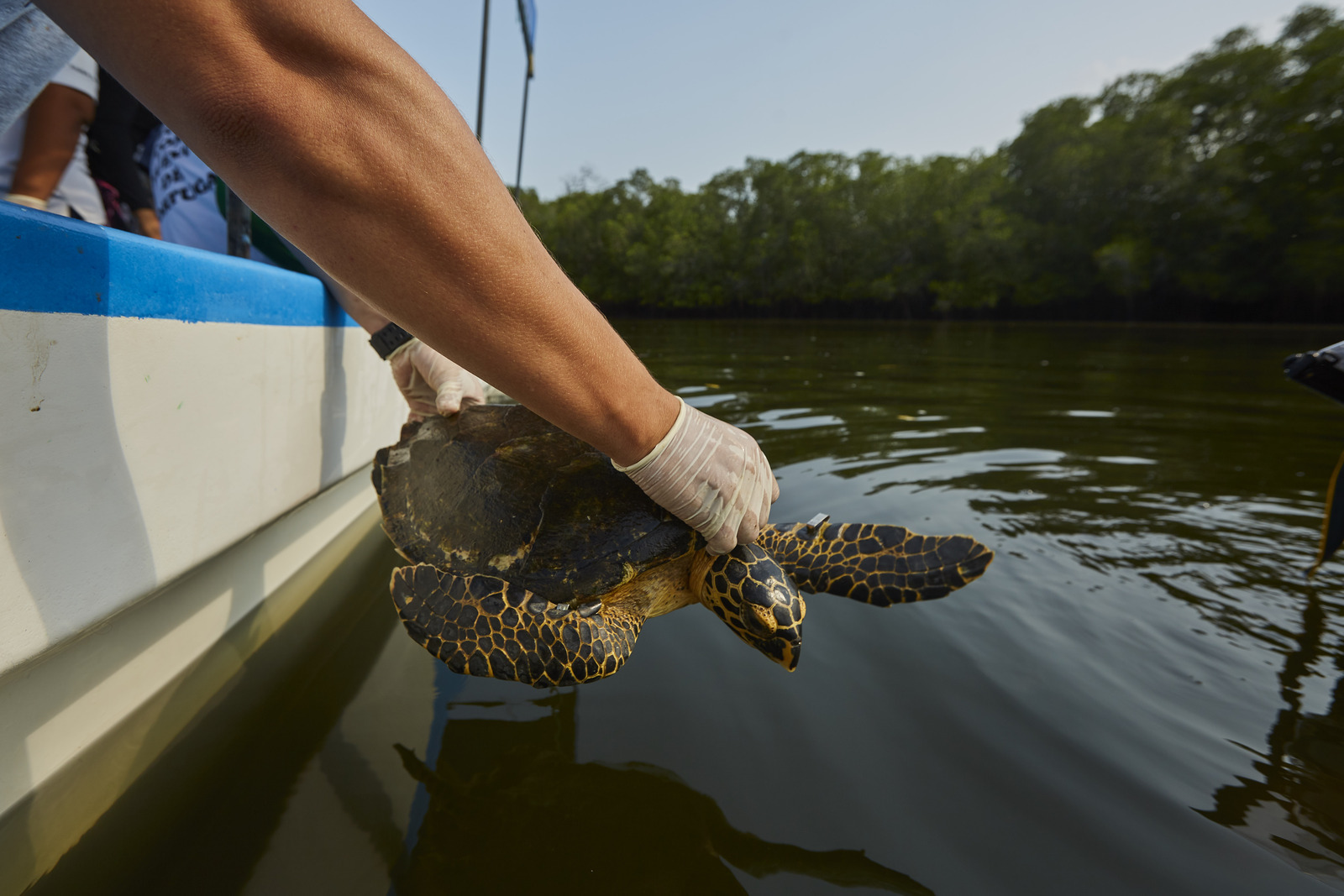
The Nicaraguan Pacific coastline encompasses more than 55 km of nesting beaches of global significance for the Critically Endangered leatherback and hawksbill turtles, as well as other vulnerable and endangered sea turtles. In the north, the mangrove estuaries of Estero Padre Ramos, Aserradores, and adjacent areas support approximately 50% of the entire Eastern Pacific hawksbill population. Nicaragua is likewise the third most important leatherback nesting country in the region, although current nesting numbers have fallen to historic lows. In areas where protection measures are absent, illegal egg poaching approaches 100% of nests. Recent studies further underscore Nicaragua’s status as a hotspot for fisheries interactions involving sea turtles, with hawksbills shown to be particularly susceptible to bycatch in artisanal nearshore fisheries.
The protection of sea turtles is essential for maintaining healthy marine ecosystems and overall biodiversity. As a keystone species, their presence and ecological functions are vital to the integrity of the systems they inhabit: sea turtles help regulate prey populations, sustain the productivity and structure of seagrass beds, and contribute to the health and resilience of coral reef ecosystems.
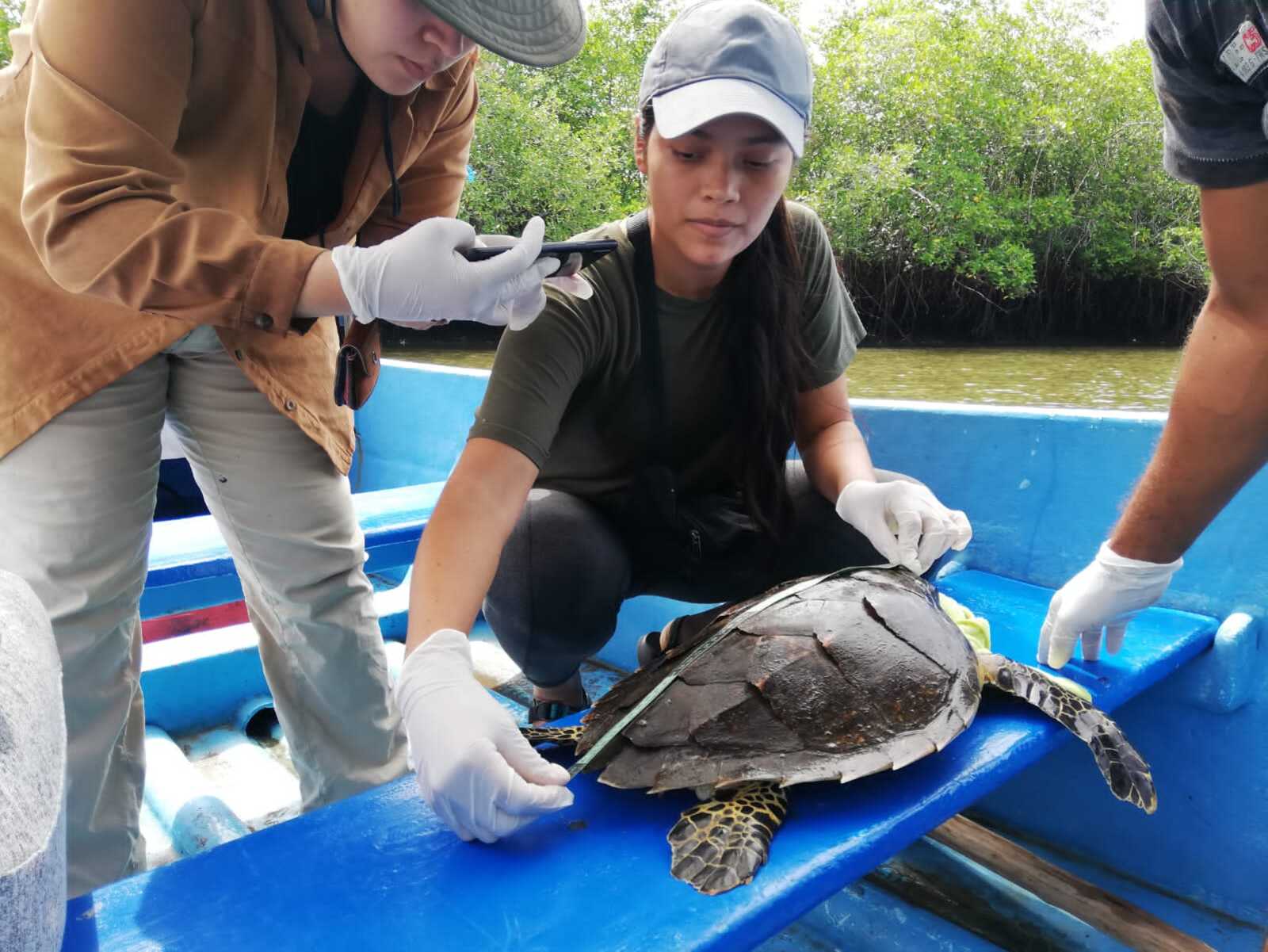
The project has received a two-year grant from the Nando and Elsa Peretti Foundation (NaEPF) to sustain and strengthen its efforts to halt the alarming decline of sea turtle populations in the Eastern Pacific. Fauna & Flora’s Marine Turtle Conservation Programme seeks to increase adult turtle survivorship at sea and enhance hatchling production, both essential for long-term population recovery. The project addresses direct threats arising from the illegal harvesting and trade of turtle eggs and hawksbill shell, as well as mortality caused by both incidental and intentional fisheries bycatch. It also focuses on mitigating indirect pressures linked to limited sustainable livelihood options within coastal communities, illegal or destructive fishing practices, and national capacity constraints.
The overarching goal of the two-year project is to ensure the continuity of effective beach monitoring and protection measures across priority nesting beaches for four marine turtle species along Nicaragua’s Pacific coast, while concurrently reducing incidental turtle bycatch in coastal fisheries and ensuring that coastal communities both support and benefit from conservation efforts and the strengthened stewardship of their marine resources.