

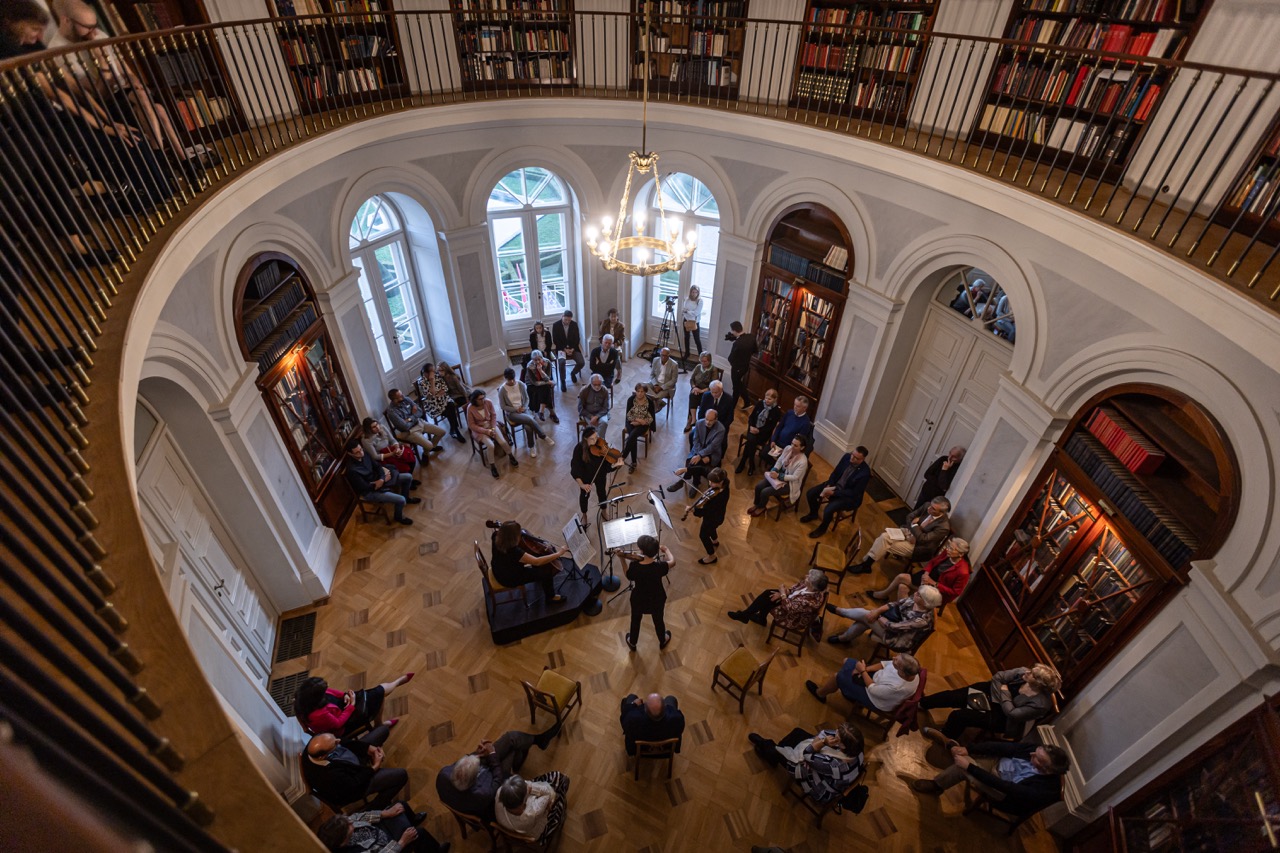
 Airis String Quartet at Károlyi Kastély, Fehérvárcsurgó ©All rights reserved Le Dimore del Quartetto
Supporting Le Dimore del Quartetto in strengthening organisational sustainability and long-term cultural and social impact
Grantee: Le Dimore del Quartetto srl Impresa Sociale ICC
Location: Various
Grant Cycle: 2026-2028
Type of Grant: two-years program support, Promotion of Arts & Culture
Website: ledimoredelquartetto.eu
Promotion Of
Arts & Culture
Le Dimore del Quartetto is an international creative cultural social enterprise founded in 2016, built on the conviction that beauty is a universal right and that art is a powerful instrument of social cohesion. Its model rests on a simple exchange: emerging chamber music ensembles are hosted free of charge in historic houses for a few days of intensive rehearsal and, in return, offer a concert to the owners and the local community. What begins as hospitality becomes a circular ecosystem in which musicians gain time, space and visibility, heritage sites recover their original cultural vocation, and audiences in decentralised territories gain access to high-quality music and heritage sites.
Around this core, Le Dimore del Quartetto has developed a broader programme of artistic residencies, concerts, festivals, educational initiatives, professional training, and community- based activities. Today, the organisation supports more than 250 residency days and 200 concerts each year, working across a network of over 300 historic residences in 19 countries and more than 100 young professional ensembles.
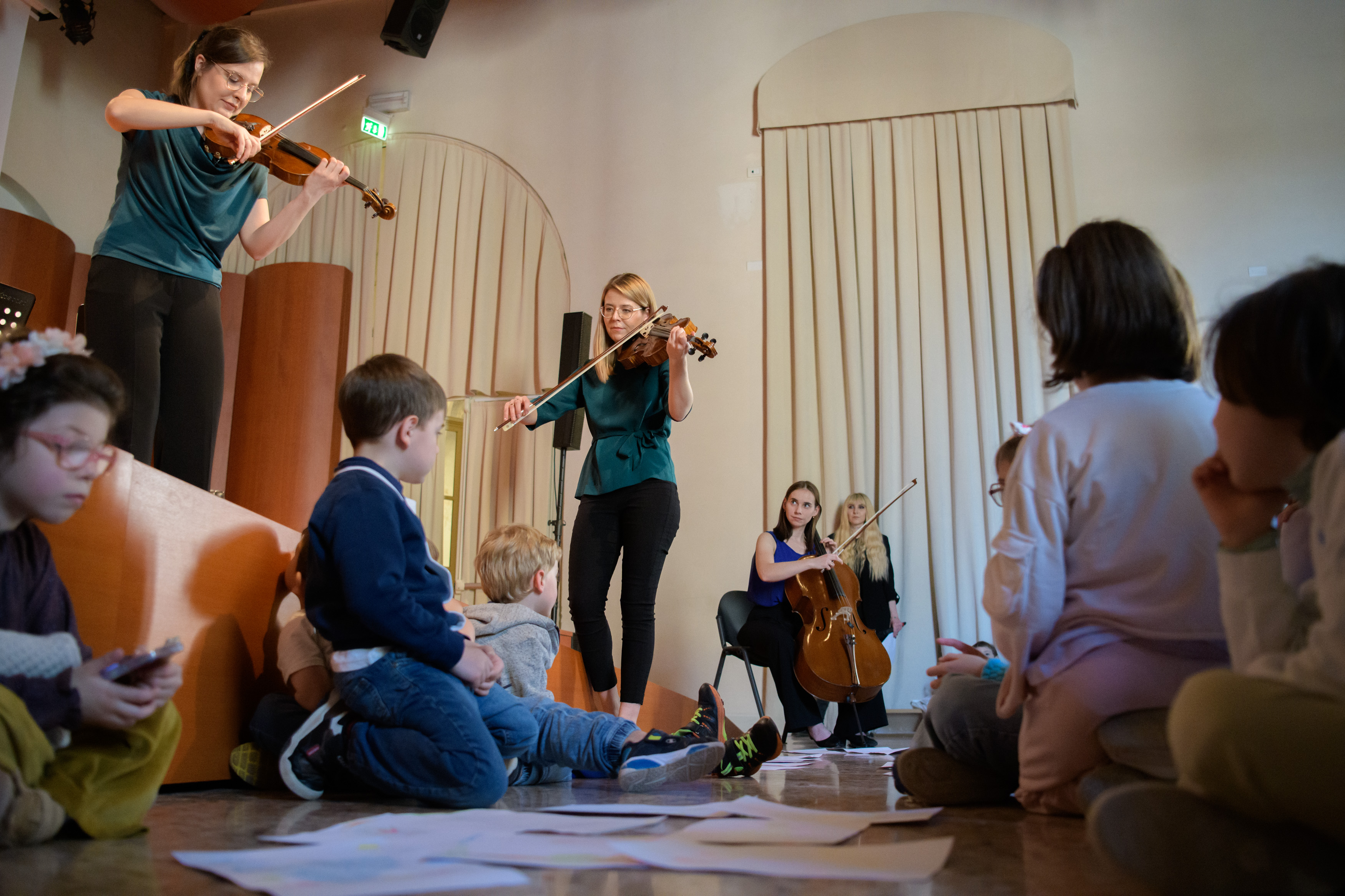
The organisation works along several complementary lines of action. At its centre are artistic residencies and concerts, which bring ensembles into historic houses and cultural sites and open those spaces to the surrounding communities. Around this core, Le Dimore del Quartetto offers 1 professional development for young musicians (high-level chamber music training, entrepreneurial and soft skills, access to fine instruments and international visibility) so that artistic excellence can translate into a viable career. A third line of action is educational and social work, delivered in schools, peripheral neighbourhoods and social institutions, where music and storytelling are used to address educational and relational poverty among children and adolescents. In parallel, the organisation builds cooperation within the sector, connecting concert societies, festivals, heritage owners and cultural institutions across Europe through shared platforms, networking initiatives and professional workshops. Finally, the organization invests in environmental and social sustainability, developing measurement tools tailored to the concert sector and documenting its educational methodology so that it can be adapted by different ensembles, in different countries, with different communities.
In line with its long-standing commitment to culture, education, and social inclusion, the Nando and Elsa Peretti Foundation (NaEPF) is supporting Le Dimore del Quartetto through 2028 to strengthen the organisational foundations that make this ecosystem possible. In a context in which cultural funding is increasingly fragmented and project-based, NaEPF’s support provides continuity and helps the organisation sustain its activities while investing in the systems, skills, and partnerships required for long-term development.
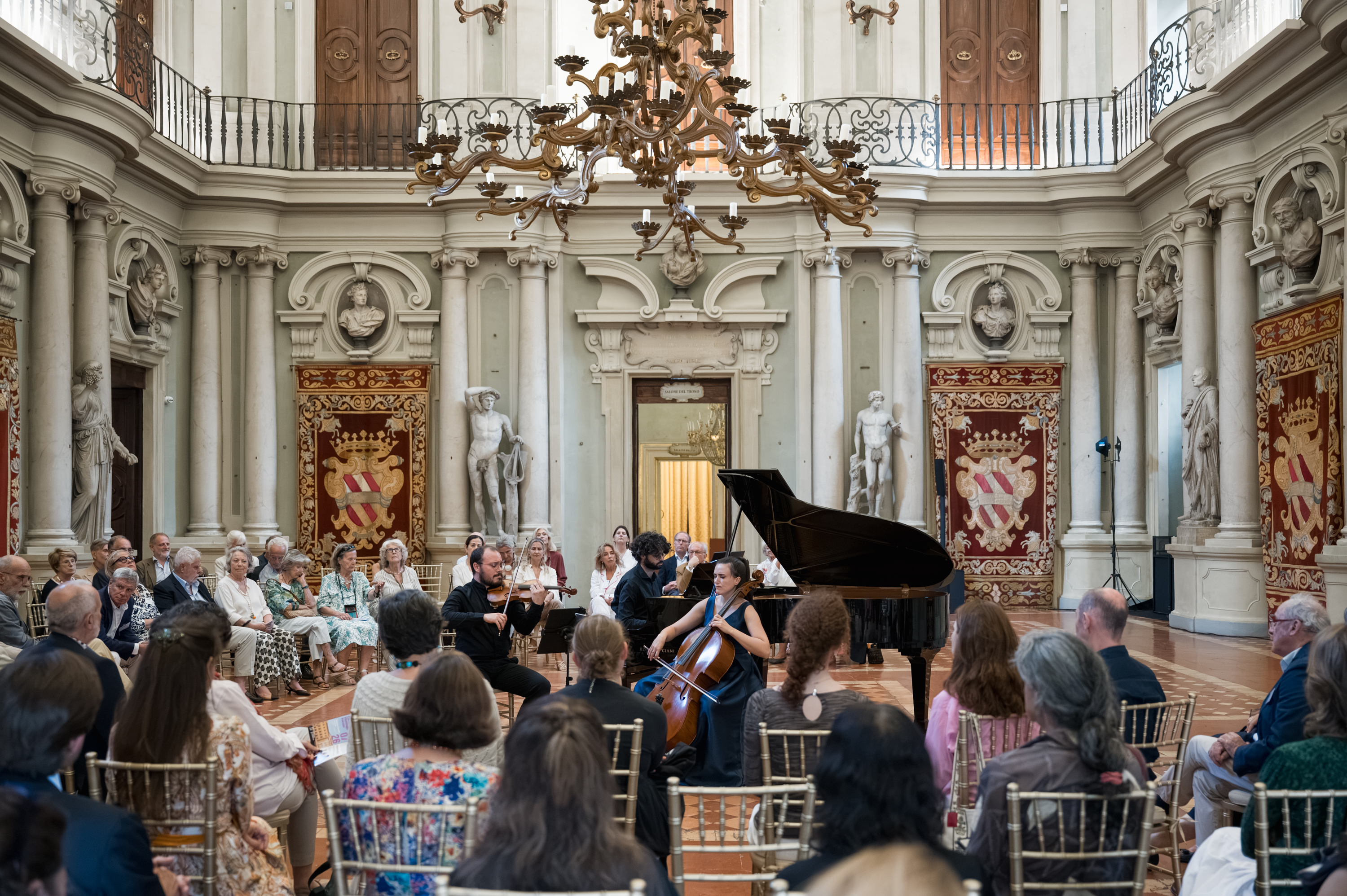
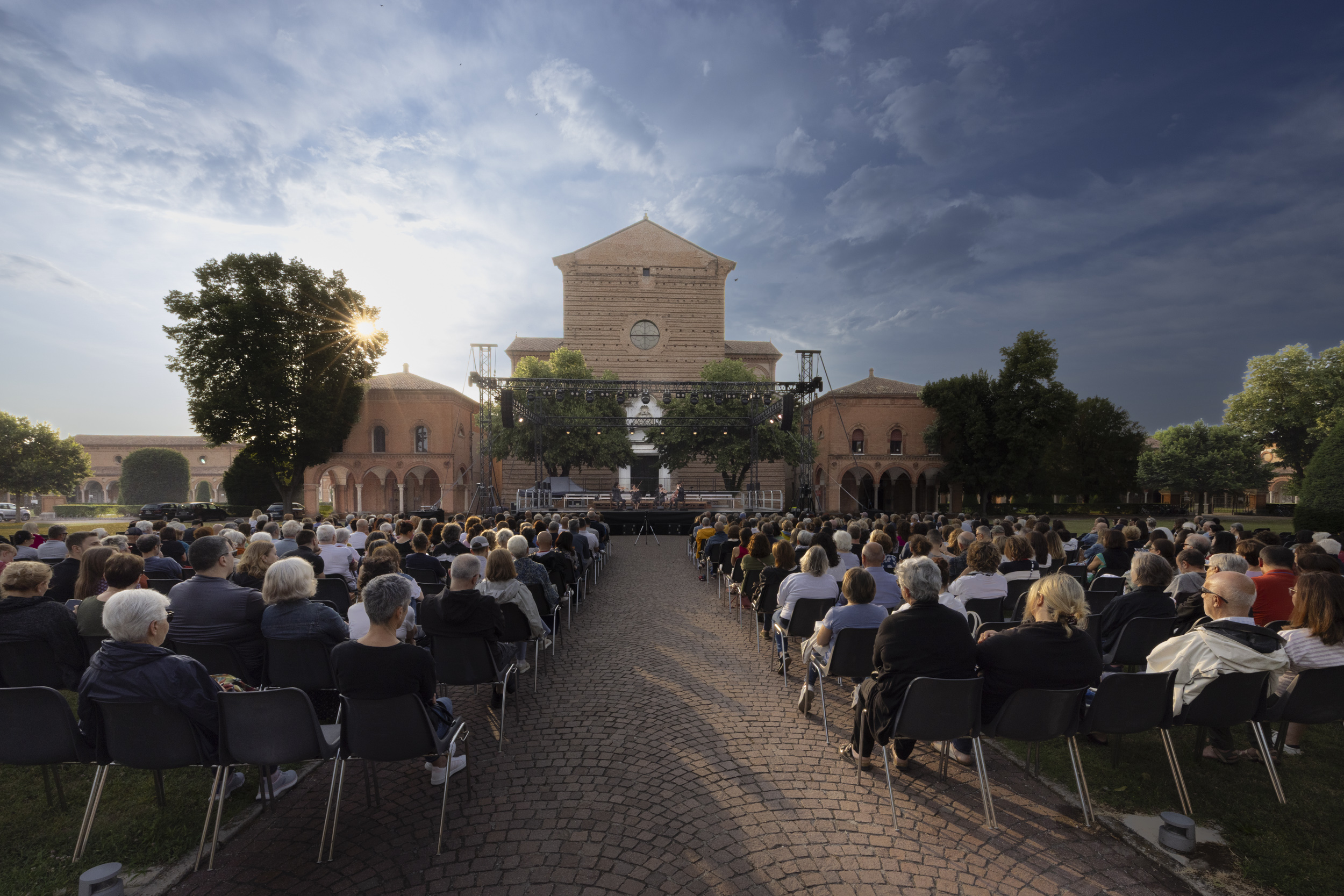
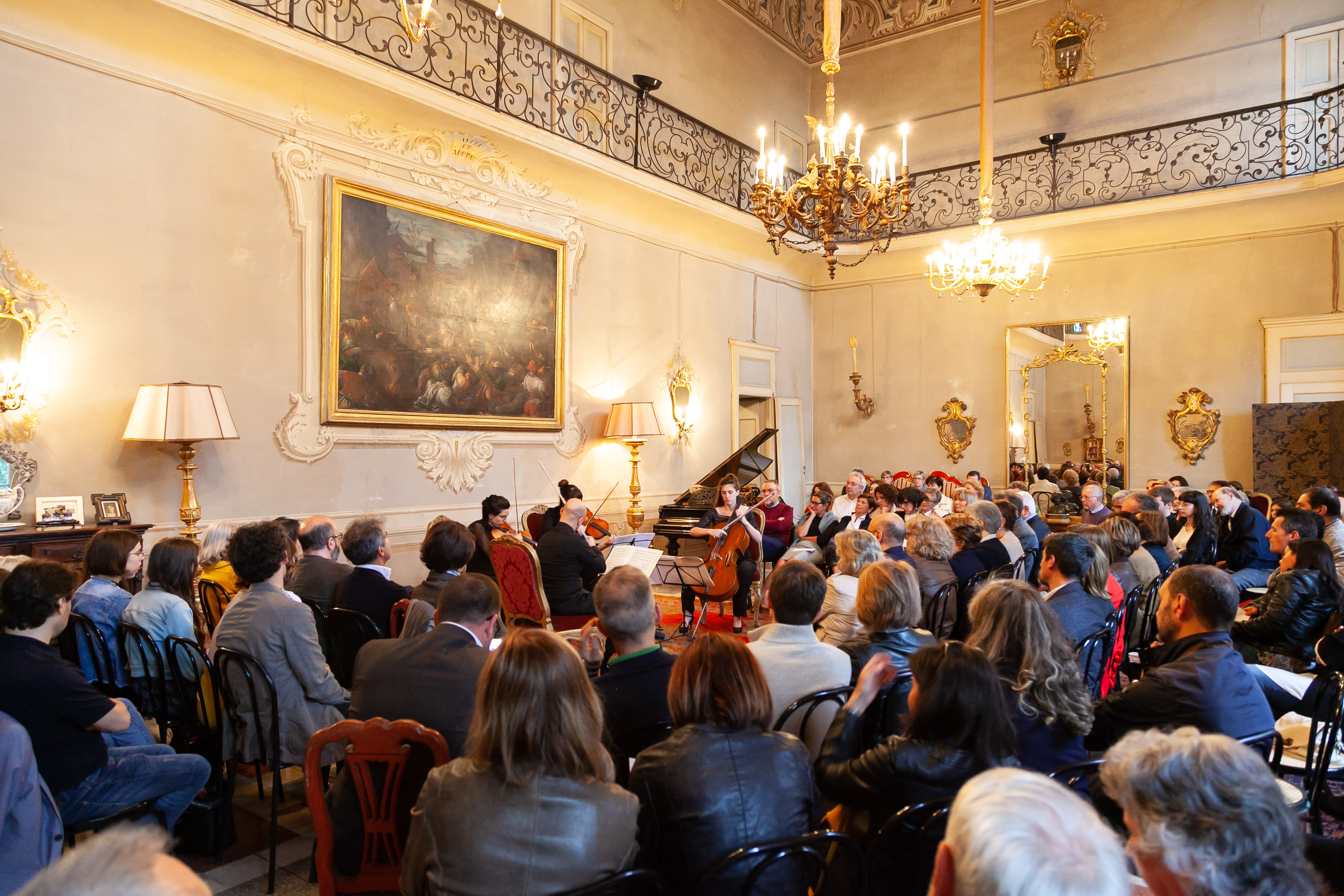
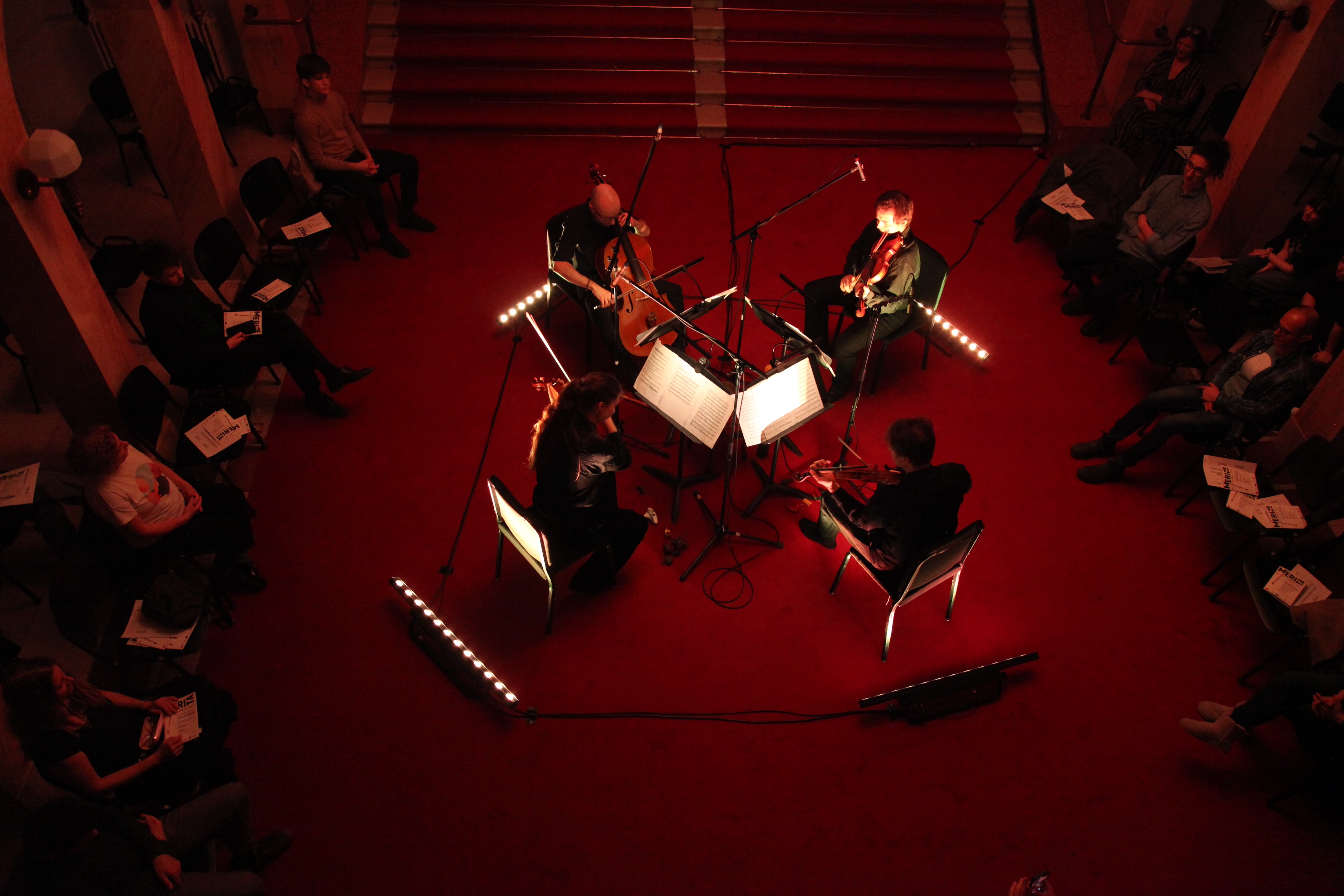
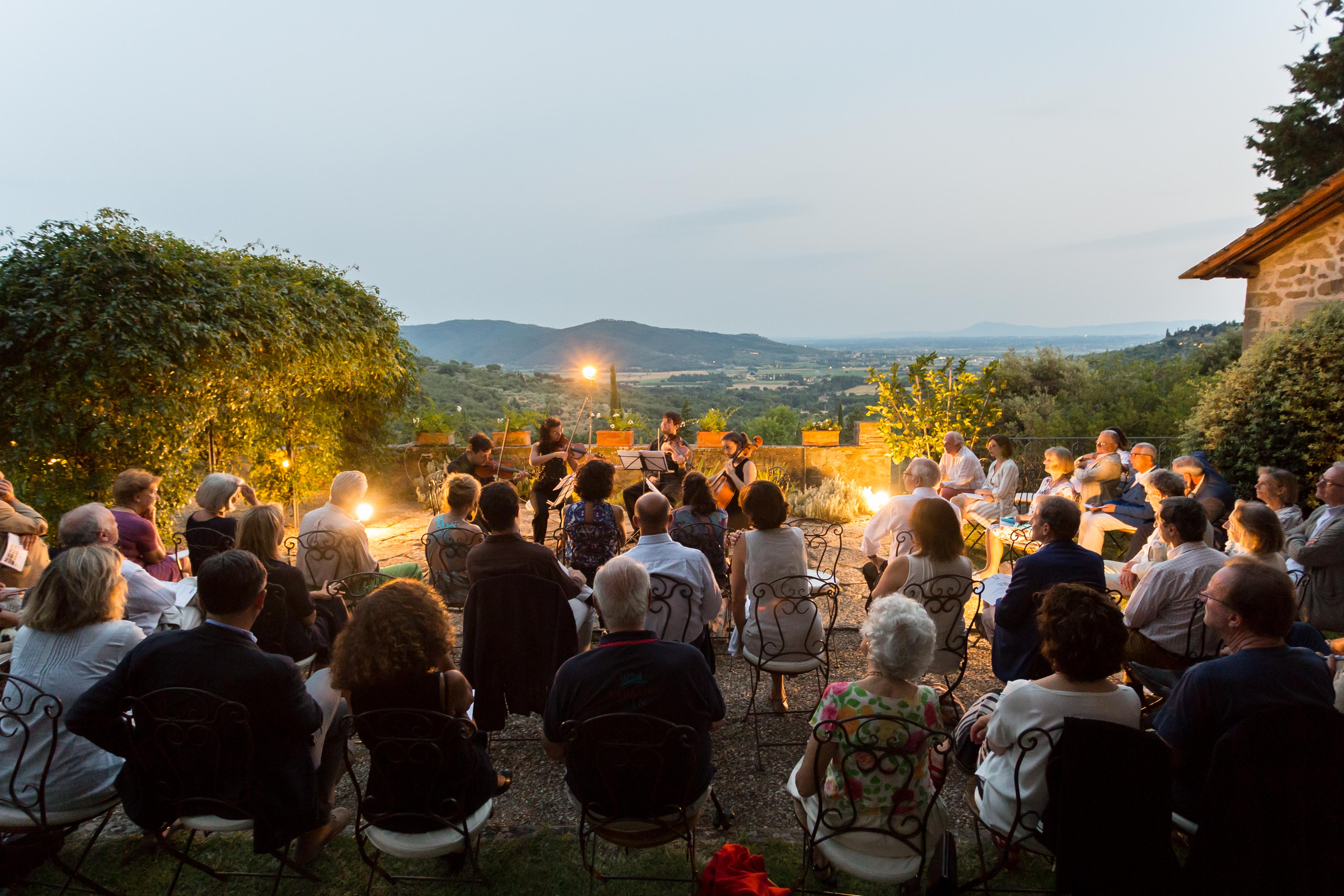
Over the implementation period, Le Dimore del Quartetto plans to consolidate and moderately expand its activities by activating new historic residences, strengthening relationships with existing partners, and extending its presence into additional territories, particularly where access to cultural programming remains limited. Residencies will remain the central element of the model, with intensive rehearsal periods culminating in public or semi-public performances that transform private heritage sites into temporary spaces for cultural participation.
The project also pursues a broader set of organisational and social objectives: expanding community-oriented activities; extending the residency network to new countries and regions; developing a replicable framework for widening access to cultural heritage and classical music through schools and community programmes; applying environmental and social impact measurement to at least 10% of concerts and events; and strengthening the digital systems needed to manage the organisation’s growth. Expected results include a broader social programme, approximately 15% growth in the territories and venues activated, a documented methodology that can be adapted across different contexts, stronger environmental and social accountability, and more robust internal systems.
Together, these developments are intended to reinforce a model in which chamber music supports emerging talent, historic heritage regains an active cultural role, and artistic practice contributes to community wellbeing and long-term social value.
