" alt="Supporting Semillas del Océano in protecting Guatemala’s coastal and marine resources">
Supporting Semillas del Océano in protecting Guatemala’s coastal and marine resources
Grantee: Semillas del Océano
Location: Guatemala, Central America
Grant Cycle: 2026 – 2028
Type of Grant: three-year program support,
Environment & Biodiversity Protection
Website: semillasdeloceano.org
Environment & Biodiversity Protection
Semillas del Océano (Seeds of the Ocean) is a Guatemalan grassroots non-profit organization founded in 2017. By combining environmental education, scientific initiatives, and community- based action, the organization collaborates closely with local leaders and coastal communities to strengthen stewardship of the ocean and its biodiversity, while promoting the protection and sustainable management of marine resources across the country.
Guatemala is home to two distinct marine-coastal regions. The first lies along the Pacific Ocean, spanning more than 255 km of coastline, while the second borders the Caribbean Sea, with approximately 148 km of coastline. Despite being separated only by a narrow stretch of land, these regions differ significantly in their geomorphological and biological characteristics.
In the Pacific region, the marine zone includes a continental shelf extending to depths of around 200 metres, beyond which it transitions into a continental slope that descends into deep oceanic waters. Within this area, the San José Canyon, a marine depression, provides habitat for a wide range of large marine species, including Bryde’s whales, spinner dolphins, manta rays, sharks, billfish, tuna, and mahi-mahi.
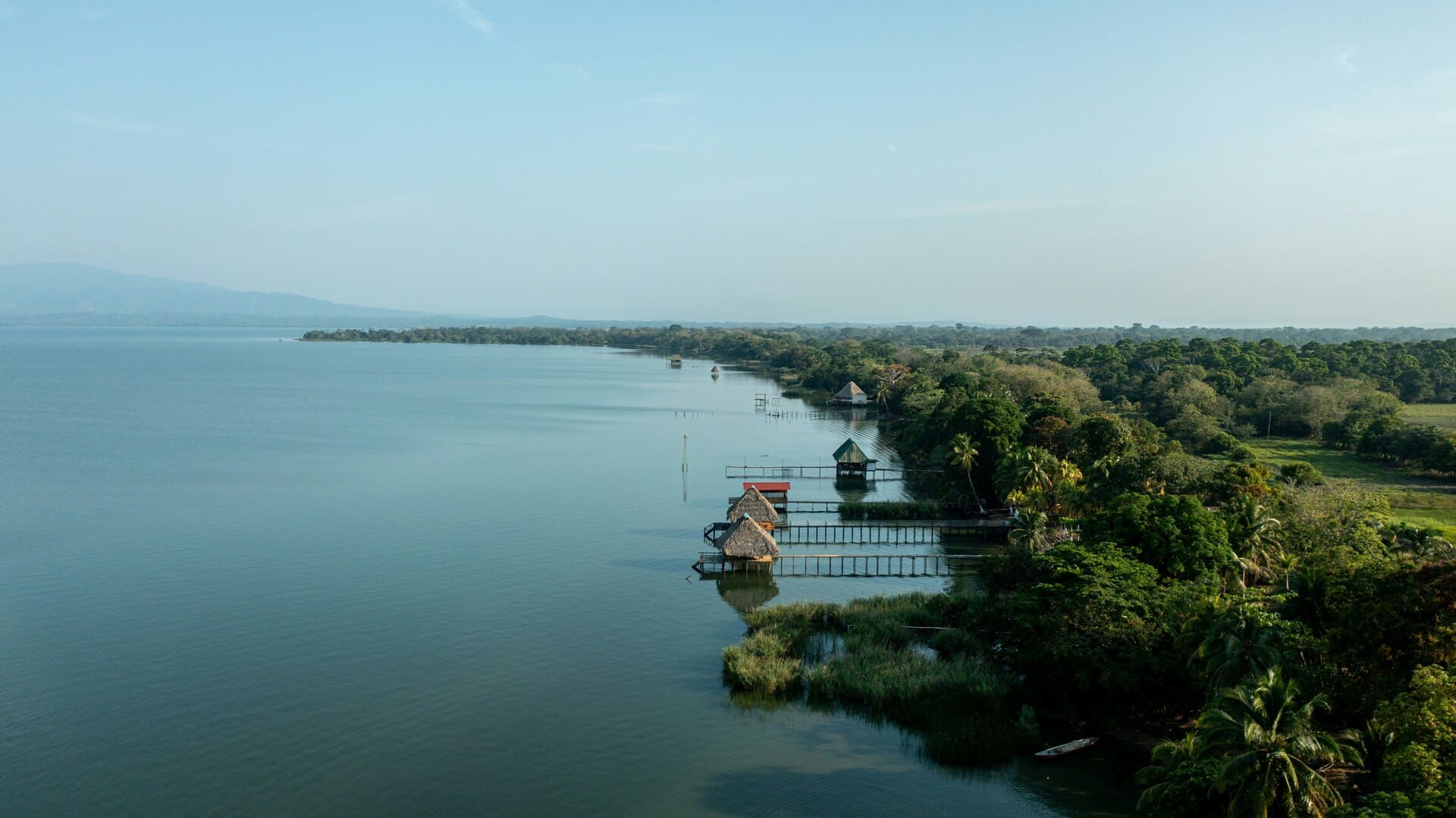
On the Caribbean side, the marine environment forms part of the Mesoamerican Reef System, the second-largest barrier reef in the world. In addition to coral reefs, the region encompasses seagrass beds, mangroves, estuaries, coastal lagoons, and sandy beaches, which together support a rich diversity of marine and coastal species. The Caribbean coast is also home to Guatemala’s first and only designated marine-coastal protected area: the Refugio de Vida Silvestre Punta de Manabique, which covers 1,519 km², including 1,026 km² of marine and inland waters. Local communities living within the area depend heavily on marine resources for their livelihoods. However, many report feeling neglected by public authorities and excluded from conservation measures introduced without their participation or consent.
The ecological richness of Guatemala’s marine-coastal regions represents a significant asset, providing local communities with opportunities to access fisheries resources, develop aquaculture, and participate in the fishing sector. These ecosystems also hold considerable potential for tourism and contribute to the national economy through maritime trade and related activities. Despite their importance, pressures on marine and coastal ecosystems continue to intensify. Major threats include land-use changes driven by cattle ranching, agriculture, aquaculture, and infrastructure development; the discharge of untreated wastewater; pollution from solid waste and agrochemicals; overfishing and unsustainable fishing practices; and the impacts of climate change, including rising sea temperatures, ocean acidification, and sea-level rise.
In response, Semillas del Océano works to expand access to marine and coastal education, generate scientific knowledge on marine ecosystems and species, and engage communities in actions that promote the sustainable use of ocean resources. Through these efforts, the organization aims to strengthen public awareness of the benefits provided by marine ecosystems, as well as the environmental consequences of human activities, while encouraging practices that help reduce pressure on the ocean.
The Nando and Elsa Peretti Foundation (NaEPF), in alignment with its mission to foster a harmonious relationship between humans and nature, supports the efforts of Semillas del Océano along the Pacific and Caribbean coasts of Guatemala. This support contributes to a multifaceted programme that combines marine conservation, education, and community-led stewardship, with the aim of reducing pressures on critical habitats and species while promoting the long-term sustainability of coastal ecosystems.
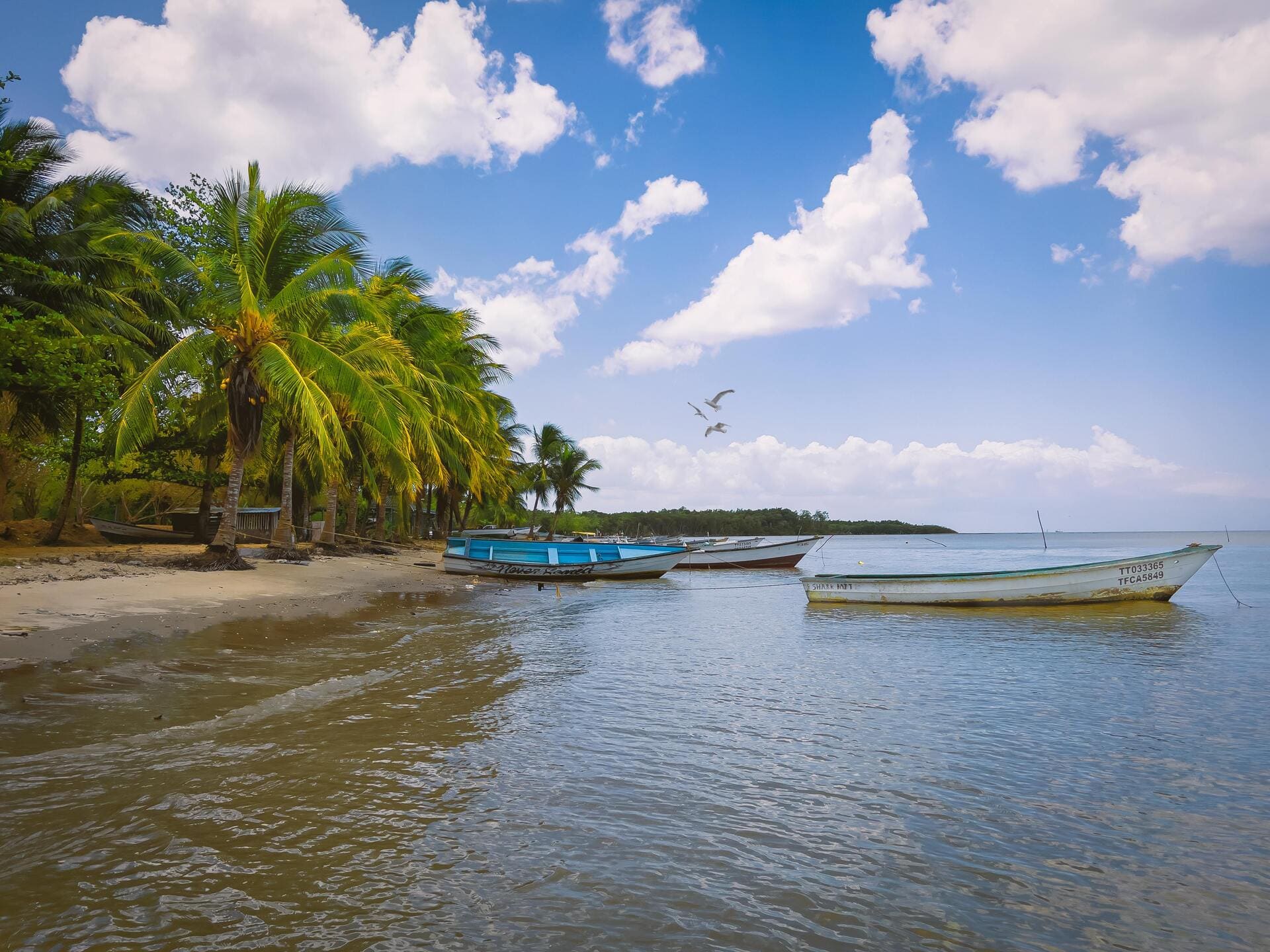
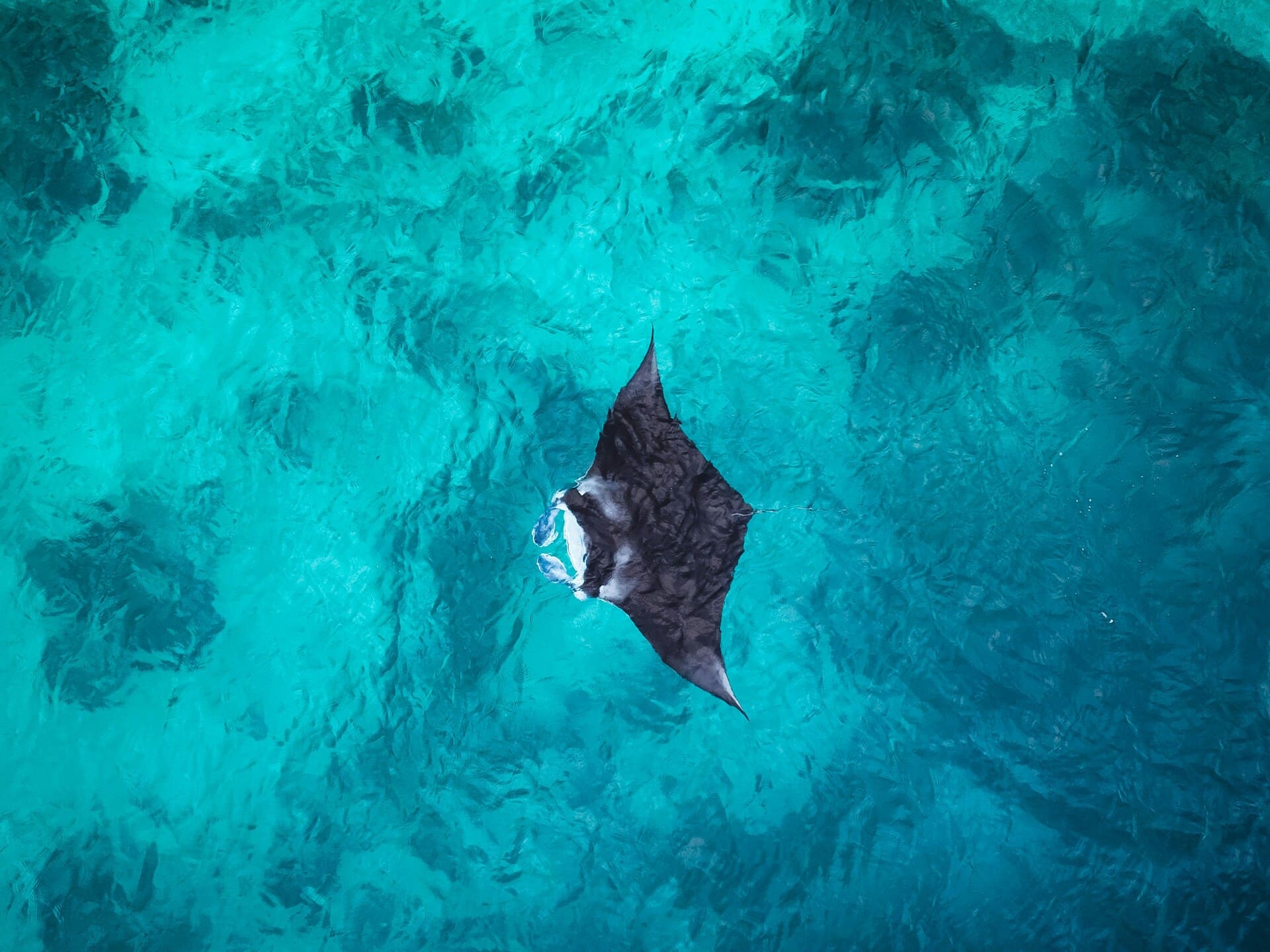
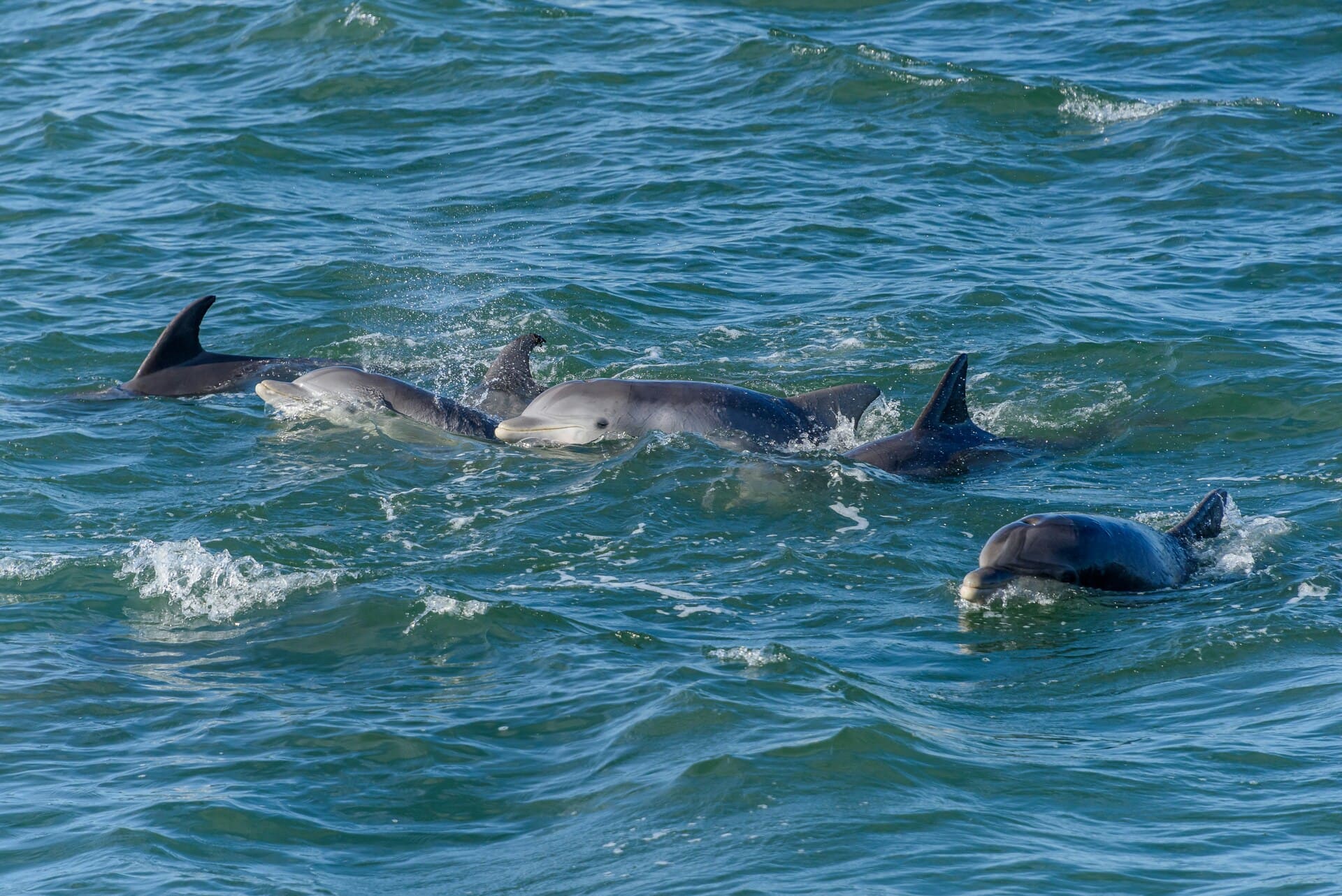
The images shown are for illustrative purposes only and not be an exact representation of the supported project
The programme is structured around four complementary objectives:
- Environmental education as a driver of change: through its Coastal and Marine Environmental Education Programme, Semillas del Océano aims to strengthen public awareness of the ocean and encourage behaviours that support marine conservation. Over the next three years, the organisation will deliver teacher training on ocean literacy, educational sessions in public schools through the Junior Ocean Ambassadors initiative, and virtual learning opportunities for children. Additional activities will include holiday camps in coastal communities, children’s drawing competitions, public educational stands, and the development and distribution of educational materials on Guatemala’s marine ecosystems.
- Scientific information for decision making: through its Coastal and Marine Research Programme, Semillas del Océano will monitor marine megafauna in the Pacific region of Guatemala, document human activities that may threaten marine life, and analyse marine debris accumulated on beaches. The programme will also promote citizen science initiatives involving fishers and other ocean users in reporting marine fauna sightings and strandings. The information collected will be compiled into annual reports and shared with environmental authorities and academic institutions to support evidence-based conservation policies.
- Local governance for ocean conservation: foster governance and leadership for the sustainable development of coastal communities through the implementation of local actions that promote community empowerment, diversification of household economies, and the adoption of best practices for natural resource management. Fishing communities within the Refugio de Vida Silvestre Punta de Manabique protected area have historically been excluded from decision- making processes related to conservation. To address this gap, Semillas del Océano will work closely with at least five communities, applying the principles of Free, Prior and Informed Consent and reinforcing social safeguards to rebuild trust and encourage collaboration. Participatory workshops will support the development of a governance and collaboration protocol that defines shared principles, roles, and decision-making processes for conservation initiatives in the area. A community grievance mechanism will also be established to ensure transparency and accountability. Annual visits will help identify local priorities, while a small Mini-Grants programme will fund community-led environmental and social projects. In parallel, the ¡Limpio Te Quiero! initiative will organise river and beach clean-ups to remove plastic waste while promoting greater awareness of responsible waste management.
- Organisational capacity and resilience: strengthen the institutional capacity and operational sustainability of Semillas del Océano by investing in skilled personnel (core staffing), robust operational systems, and strategic infrastructure, enabling the effective implementation of marine education, scientific research, and community-led conservation initiatives. The organisation will also expand its fundraising and donor engagement strategies to diversify funding sources and support the continuity of its conservation initiatives.
Through this multifaceted programma the project delivers climate, biodiversity, and social benefits that reinforce each other and secure the ocean’s role in supporting both nature and people.