" alt="Supporting the ZEITZ Foundation in protecting critically endangered Eastern Black Rhino in Segera Rhino Sanctuary, Kenya">
©All rights reserved ZEITZ Foundation / Kate Garwood
" alt="Supporting the ZEITZ Foundation in protecting critically endangered Eastern Black Rhino in Segera Rhino Sanctuary, Kenya">
©All rights reserved ZEITZ Foundation / Kate Garwood
Supporting the ZEITZ Foundation in protecting critically endangered Eastern Black Rhino in Segera Rhino Sanctuary, Kenya
Grantee: ZEITZ Foundation
Location: Kenya, Africa
Grant Cycle: 2026 – 2028
Type of Grant: three-year program support, Animal Welfare & Protection
Website: zeitzfoundation.org
Animal Welfare
& Protection
Founded in 2008 by Jochen Zeitz, the ZEITZ Foundation is a non-profit organization registered in Kenya, Germany and the United States. Headquartered in Central Laikipia, Kenya, the ZEITZ Foundation supports ecologically and socially responsible initiatives that promote sustainable land use, biodiversity conservation, and community well-being through an integrated approach that balances conservation, community, culture and commerce (the 4C Philosophy). Its work focuses on privately managed landscapes, where long-term ecological integrity and social resilience can be achieved through responsible stewardship.
Segera Conservancy is a 50,000-acre wildlife refuge located in the heart of Laikipia, Kenya, between Mount Kenya and the Great Rift Valley, and serves as the primary conservation hub of the ZEITZ Foundation. Its landscape comprises a mosaic of woodlands, grasslands, and fertile plains that support exceptional biodiversity, including elephant, buffalo, lion, leopard, and cheetah, as well as significant populations of Reticulated giraffe, Lelwel hartebeest, Grevy’s zebra, and other threatened species, including Eastern Black Rhino (since 2025). Segera Conservancy is envisioned as a catalyst for the establishment of the world’s largest interconnected rhino sanctuary, contributing to long-term species protection, enhanced ecosystem resilience, and meaningful conservation impact at a regional scale.
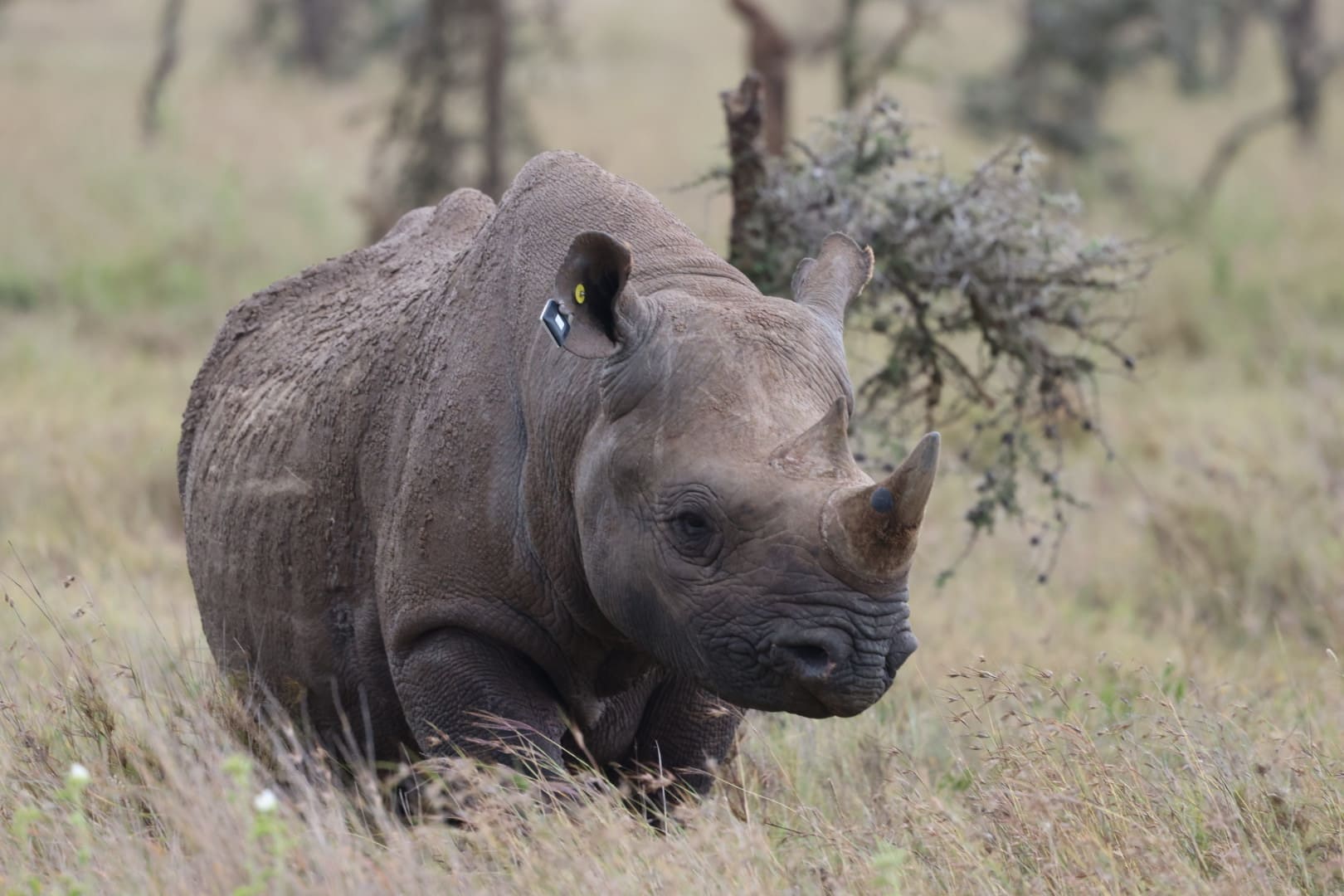
Rhinos are one of the most endangered species in the world, with approximately only 5,000 individuals remain across Africa. Kenya is home to the continent’s two remaining species, the Black and White rhinoceros, and represents one of the most important strongholds for the critically endangered Eastern Black Rhino with just over 1,000 individuals nationwide. Between 1970 and 1995, Kenya’s Black rhino population declined by approximately 96%, primarily due to poaching and habitat encroachment. To support population recovery and prevent extinction, Kenya’s initial conservation strategy focused on the establishment of highly protected rhino sanctuaries designed to provide maximum security and intensive management. While these efforts successfully stabilized and increased population numbers, many sanctuaries are now approaching or exceeding ecological carrying capacity, resulting in increased territorial conflict, reduced reproductive rates, genetic constraints, and sustained pressure on limited resources.
In response to these emerging challenges, Kenya has initiated a strategic expansion of its rhino range through the development of additional sanctuaries to alleviate overcrowding and enable safe, sustainable population growth. These efforts underpin the National Black Rhino Action Plan, which targets an annual population growth rate of approximately 5% and aims to increase the national Eastern Black Rhino population to 2,000 individuals by 2037.
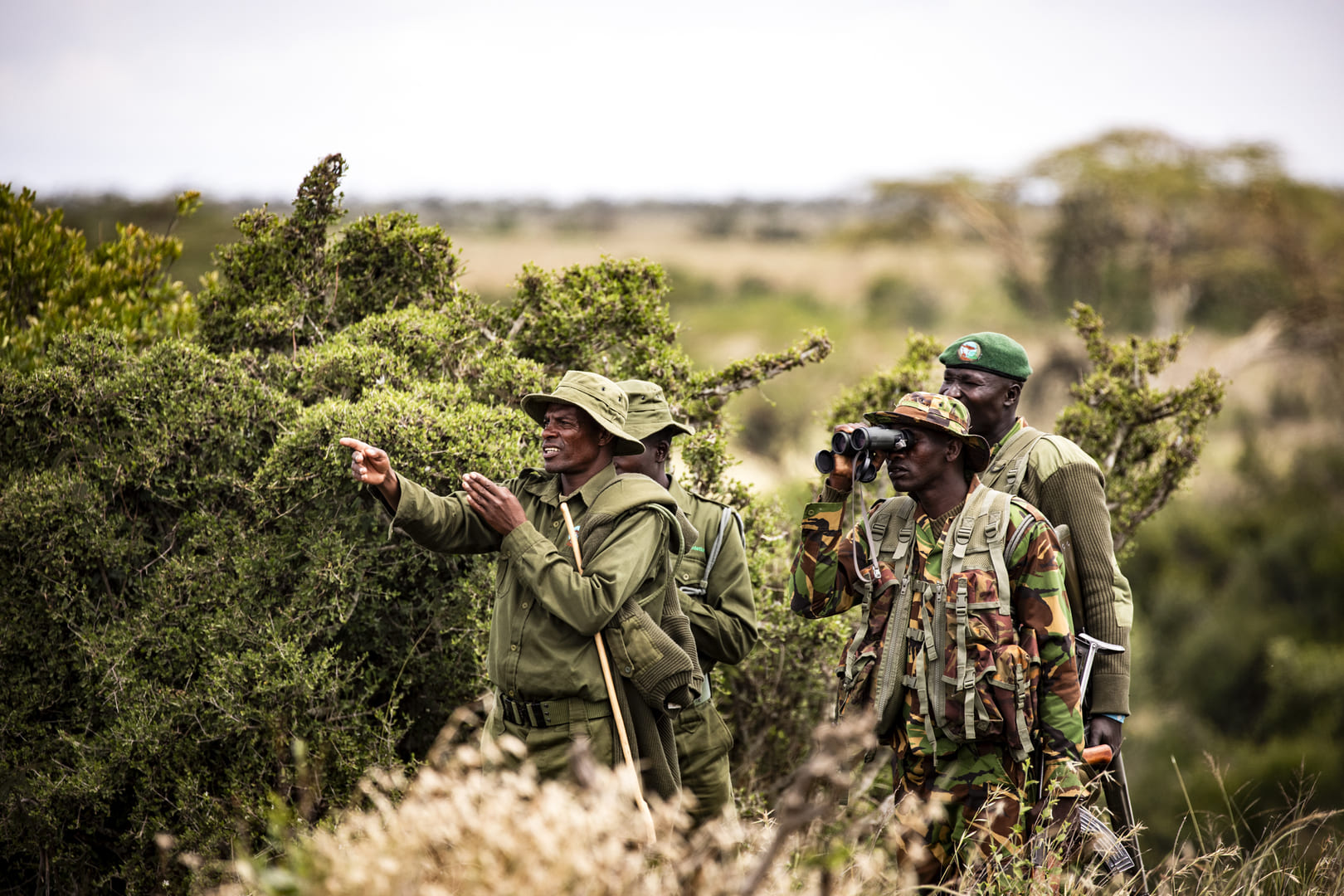
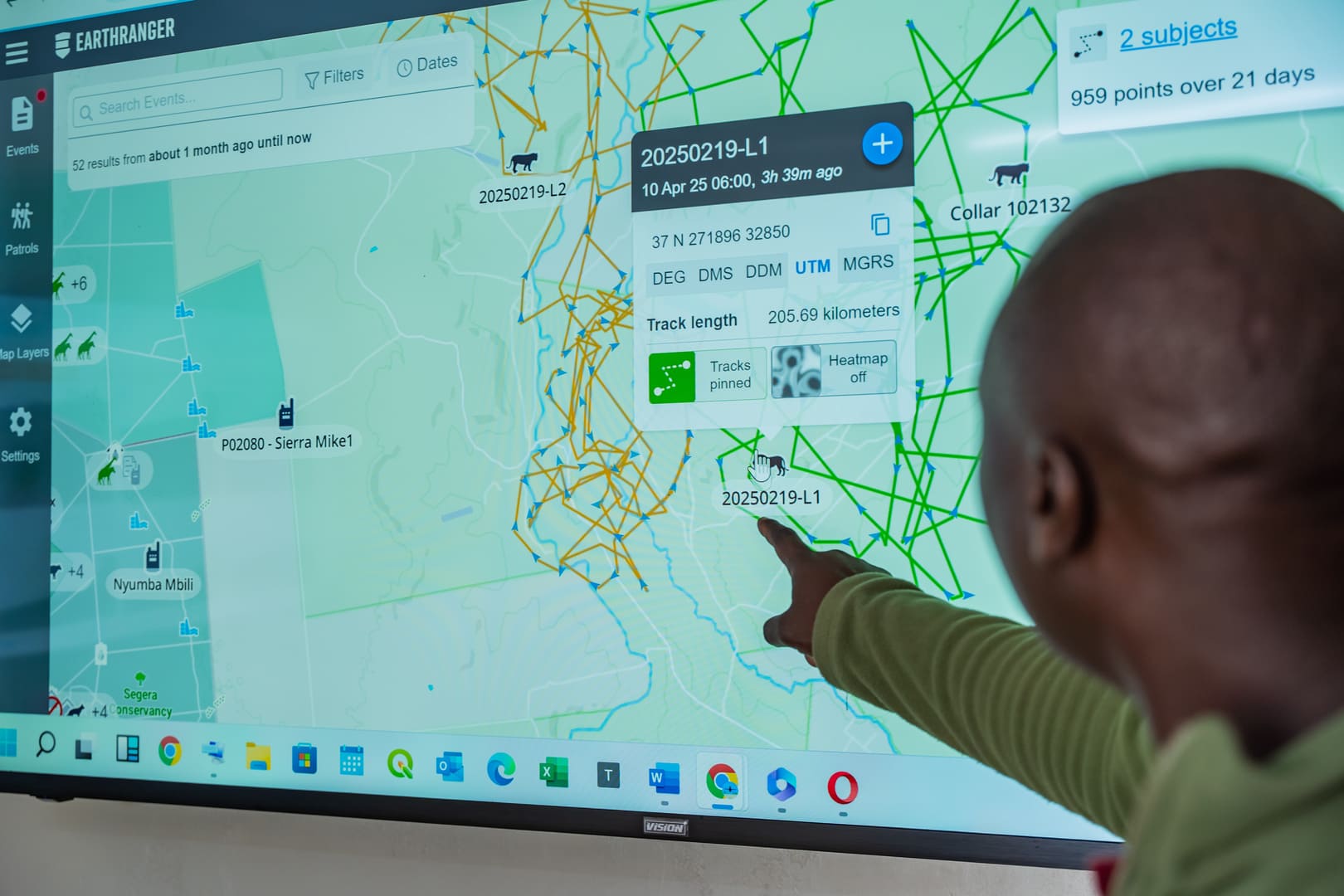
The ZEITZ Foundation is contributing to this target through its established 22,000-acre rhino sanctuary on Segera Conservancy, which is designed to expand into adjacent conservancies to form a contiguous, landscape-scale refuge for wildlife. By positioning the rhinoceros as both a keystone and flagship species, the sanctuary strengthens broader ecosystem protection while generating associated socio-economic benefits for surrounding rural communities.
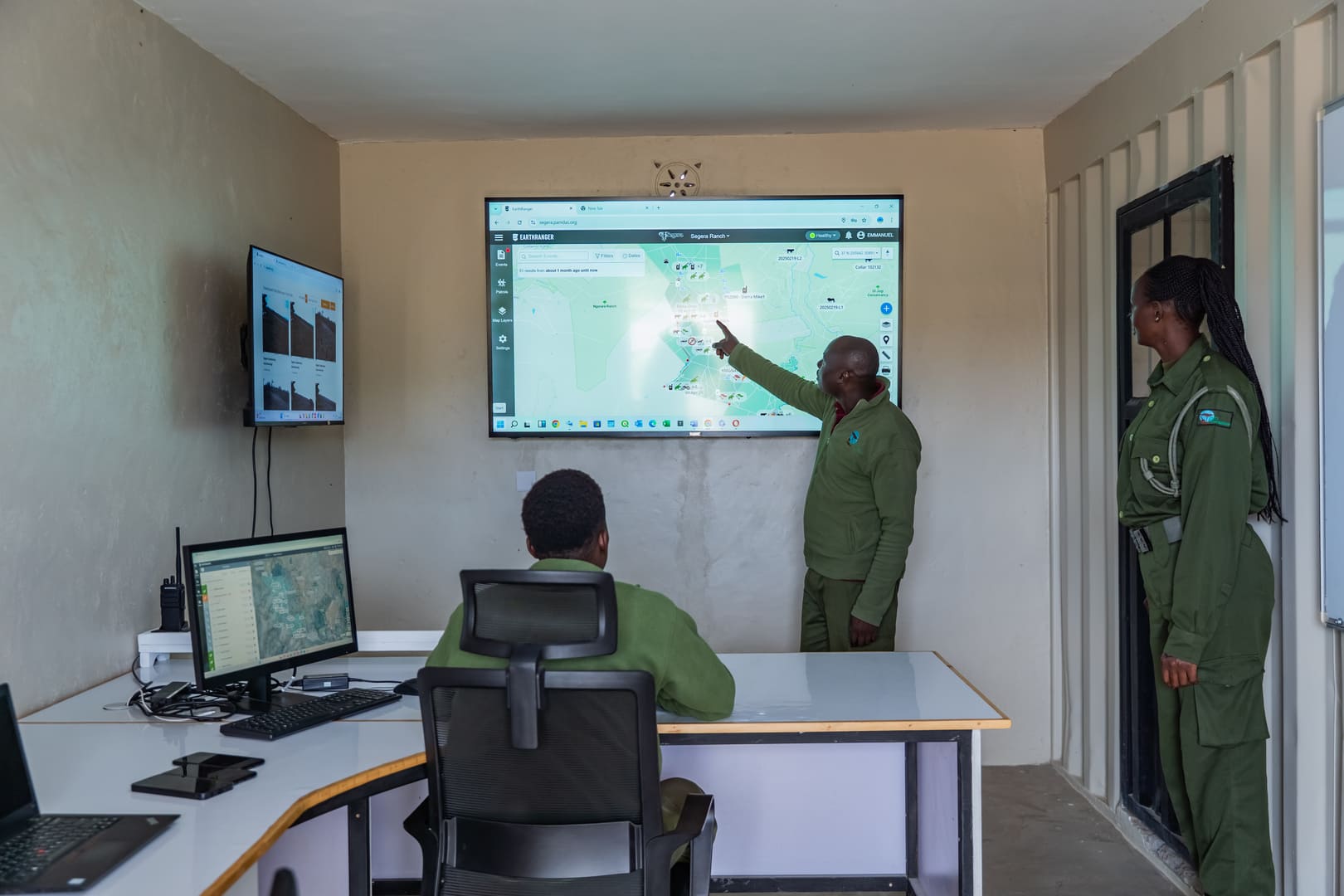
Building on the mid-2025 translocation of 21 Eastern Black Rhinos, the project targets an annual population growth rate off 5% while strengthening Central Kenya’s regional meta-population. In parallel, the project supports rural livelihoods through employment creation and inclusive conservation practices, with a particular emphasis on women’s empowerment across security, land stewardship, and wildlife management roles.
Through this integrated approach, the initiative supported by the Nando and Elsa Peretti Foundation (NaEPF) not only enhances critical conservation habitat for rhinos but also contributes to the long-term persistence of Kenya’s biodiversity. Furthermore, the project advances gender equity, drives local economic development, and fosters resilient, conservation- based economies, in alignment with NaEPF’s mission to foster a harmonious relationship between humans and nature.