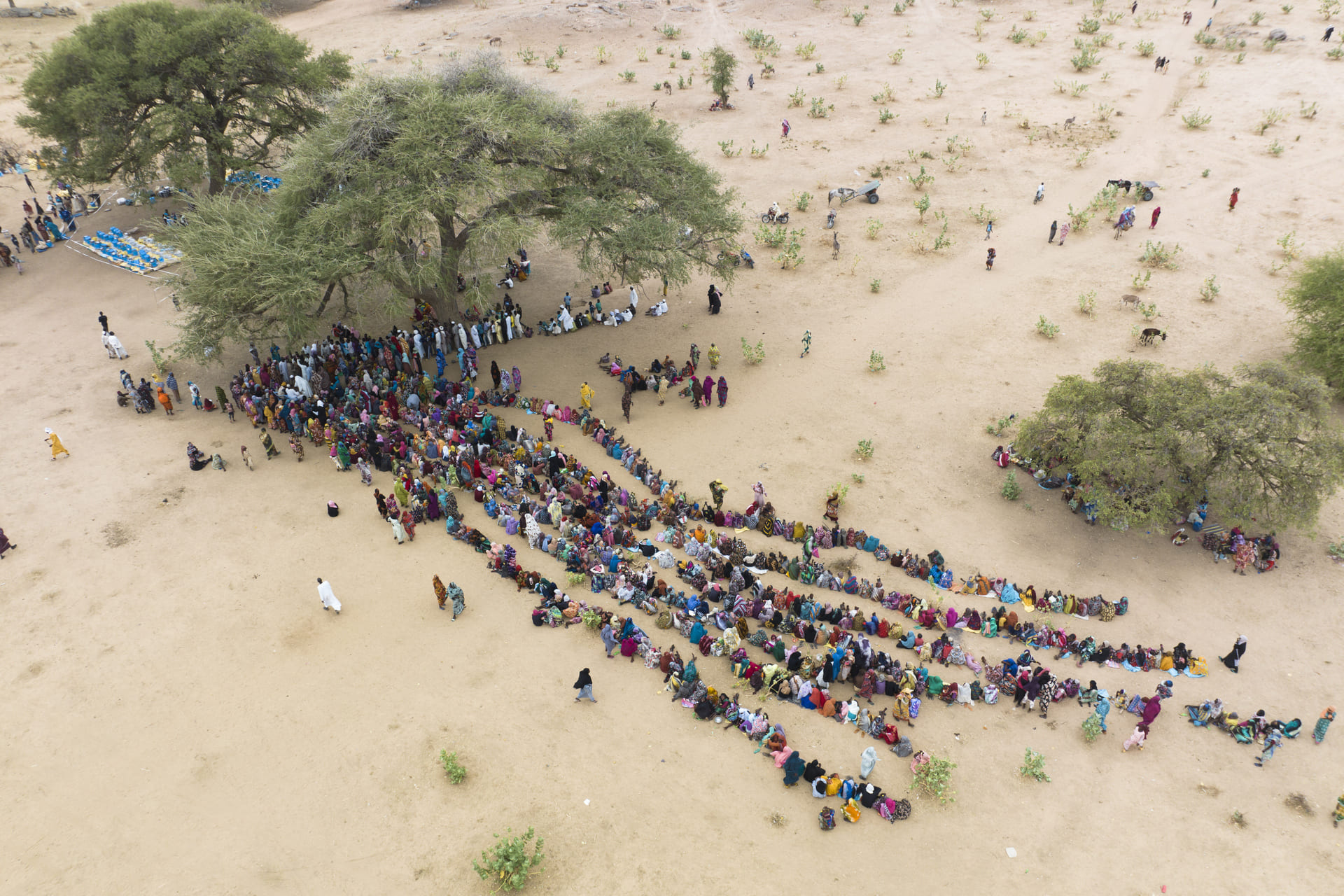
" alt="Supporting UNHCR critical life-saving response in the Sudan Emergency">
©All rights reserved Aristophane Ngargoune / UNHCR
" alt="Supporting UNHCR critical life-saving response in the Sudan Emergency">
©All rights reserved Aristophane Ngargoune / UNHCR
Supporting UNHCR critical life-saving response in the Sudan Emergency
Grantee: UNHCR – United Nations High Commissioner for Refugees
Location: Sudan and border countries (Chad, Central African Republic, Egypt, Ethiopia, Libya, South Sudan
and Uganda), Africa
Grant Cycle: 2026
Type of Grant: one-year program support, Protracted Emergency Relief
Website: unhcr.org
Human Welfare
& Rights
The Office of the United Nations High Commissioner for Refugees (UNHCR) is a United Nations agency mandated to protect and assist refugees, forcibly displaced persons, and stateless individuals, while supporting voluntary repatriation, local integration, or resettlement in third countries. Through its field operations, UNHCR works in close coordination with governments, local authorities, non-governmental organizations, and other UN agencies to deliver essential services, including shelter, healthcare, education, water, sanitation, and protection, for people affected by crises and displacement. The agency also engages in evidence-based planning, research, and policy dialogue to address the drivers of displacement and strengthen the resilience of affected populations.
Currently, UNHCR leads the international response to the needs of over 110 million forcibly displaced people worldwide, including refugees, internally displaced persons, and asylum seekers. By combining humanitarian assistance with longer-term approaches, UNHCR plays a critical role in upholding human dignity, promoting social cohesion, and supporting stability in complex contexts.
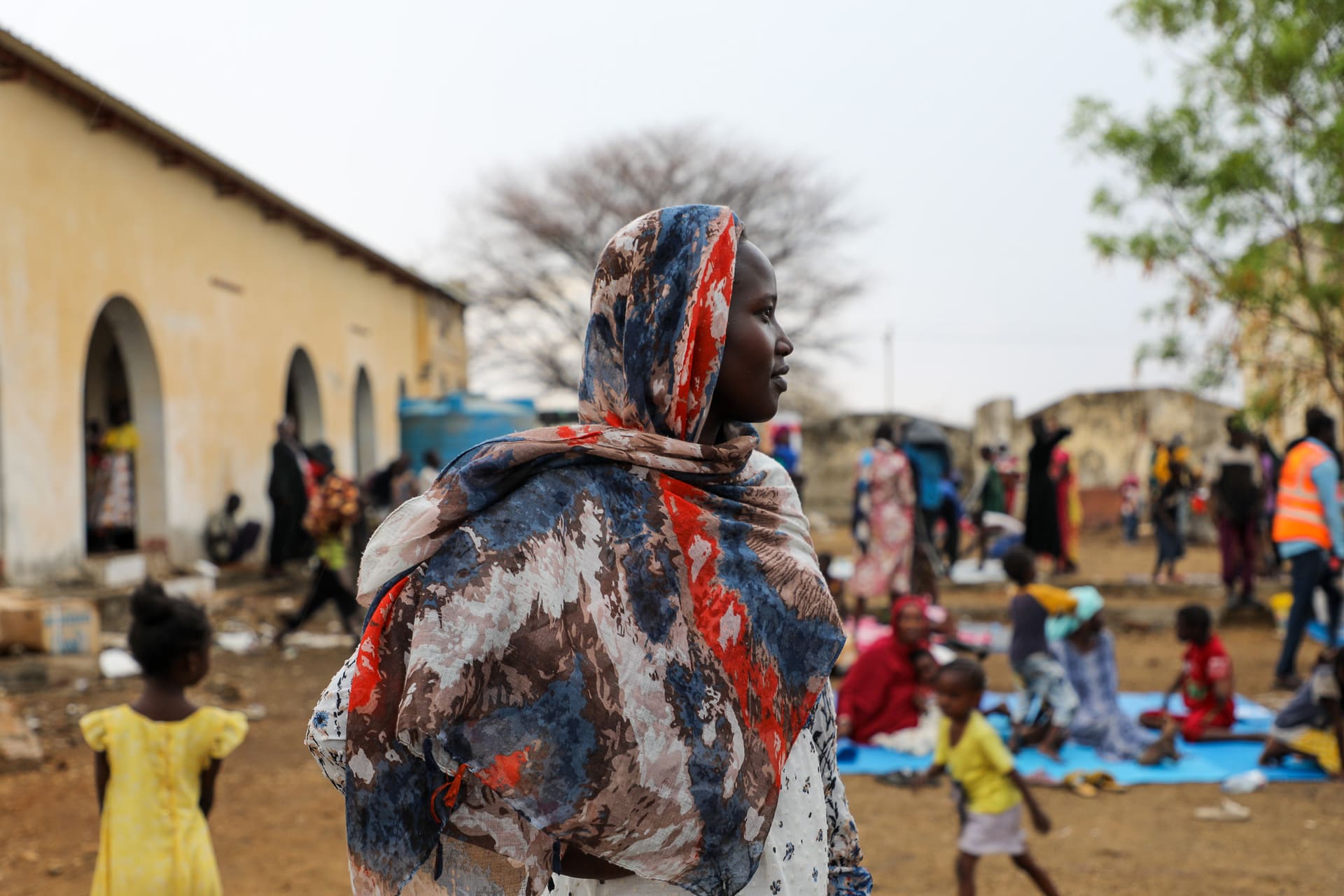
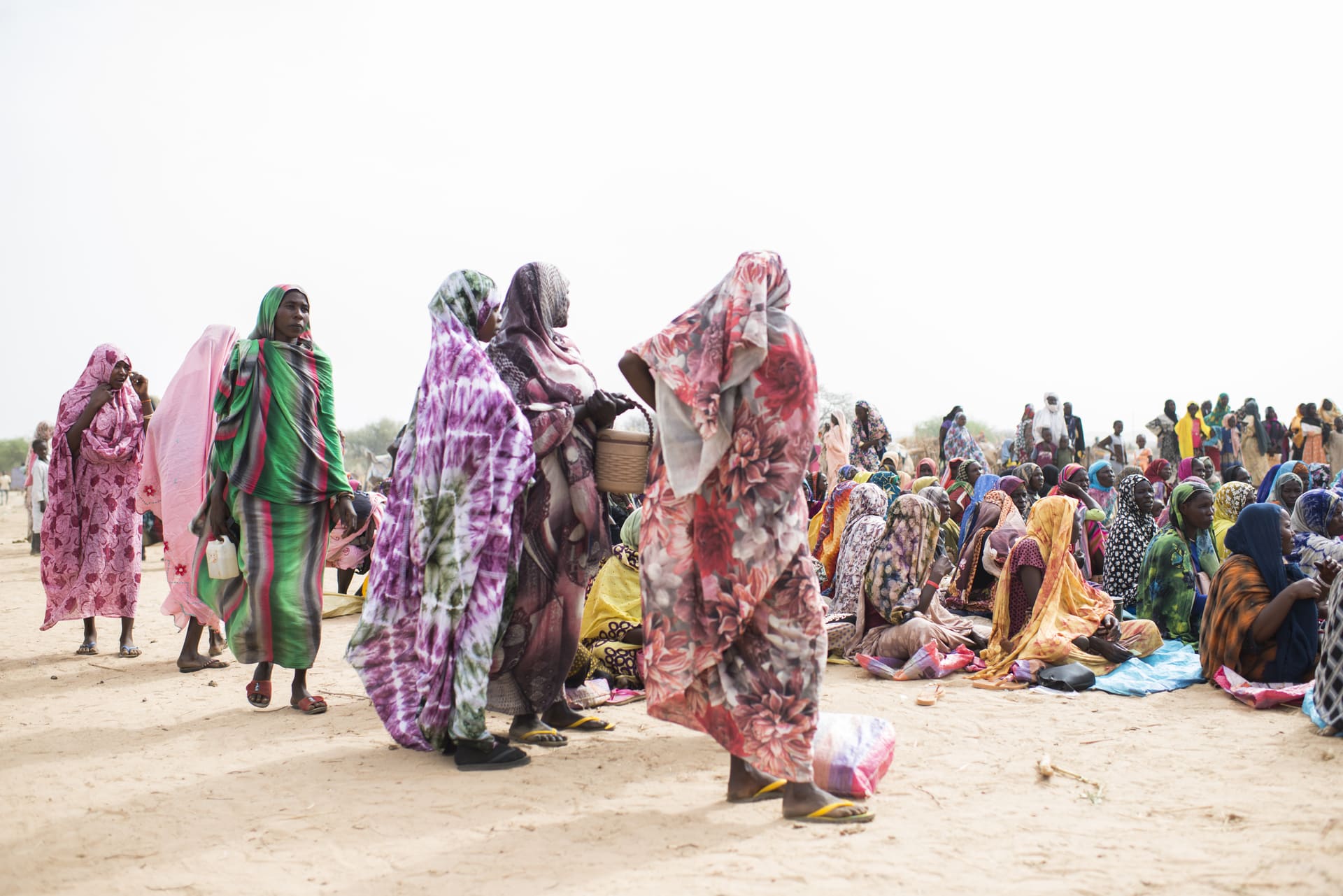
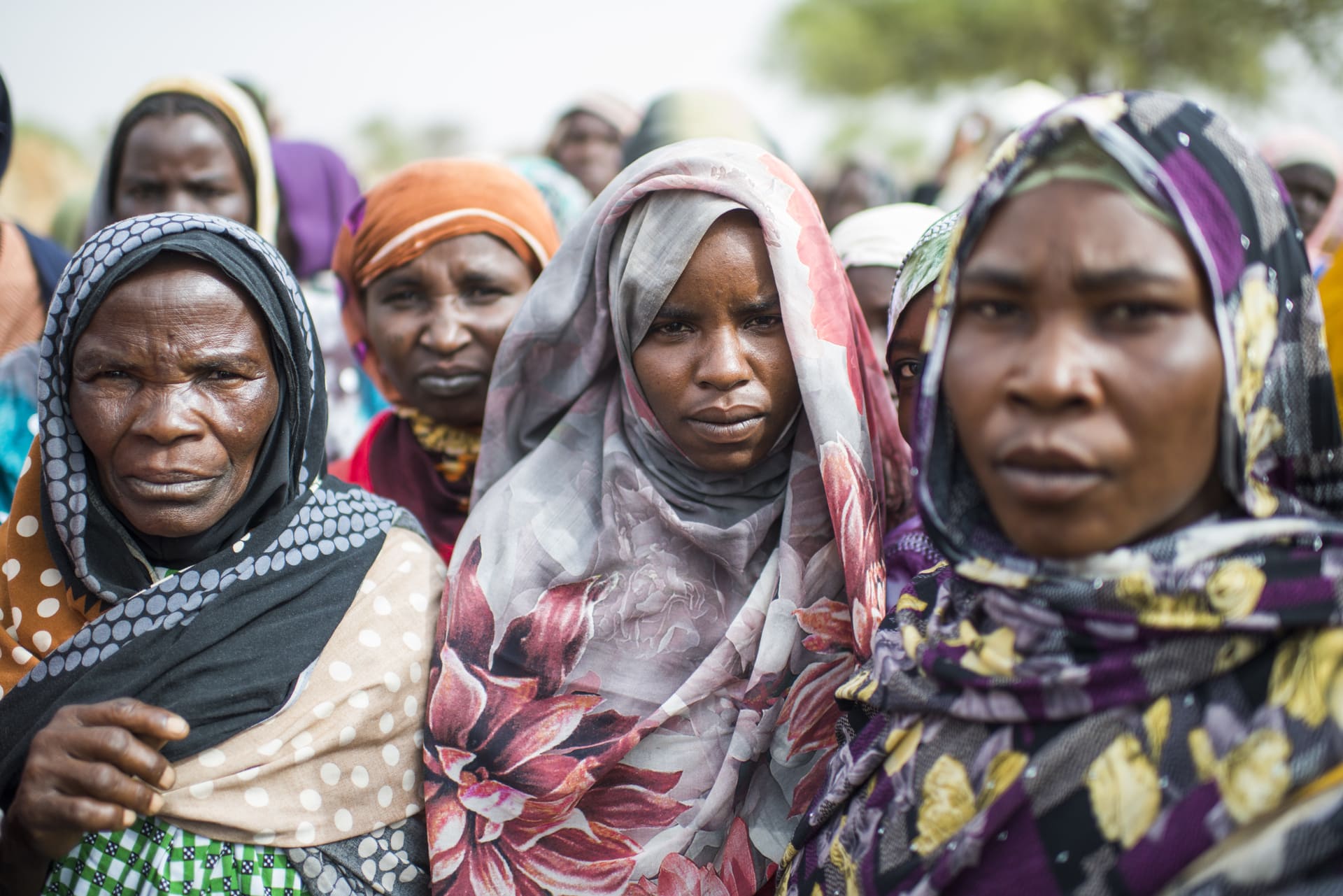
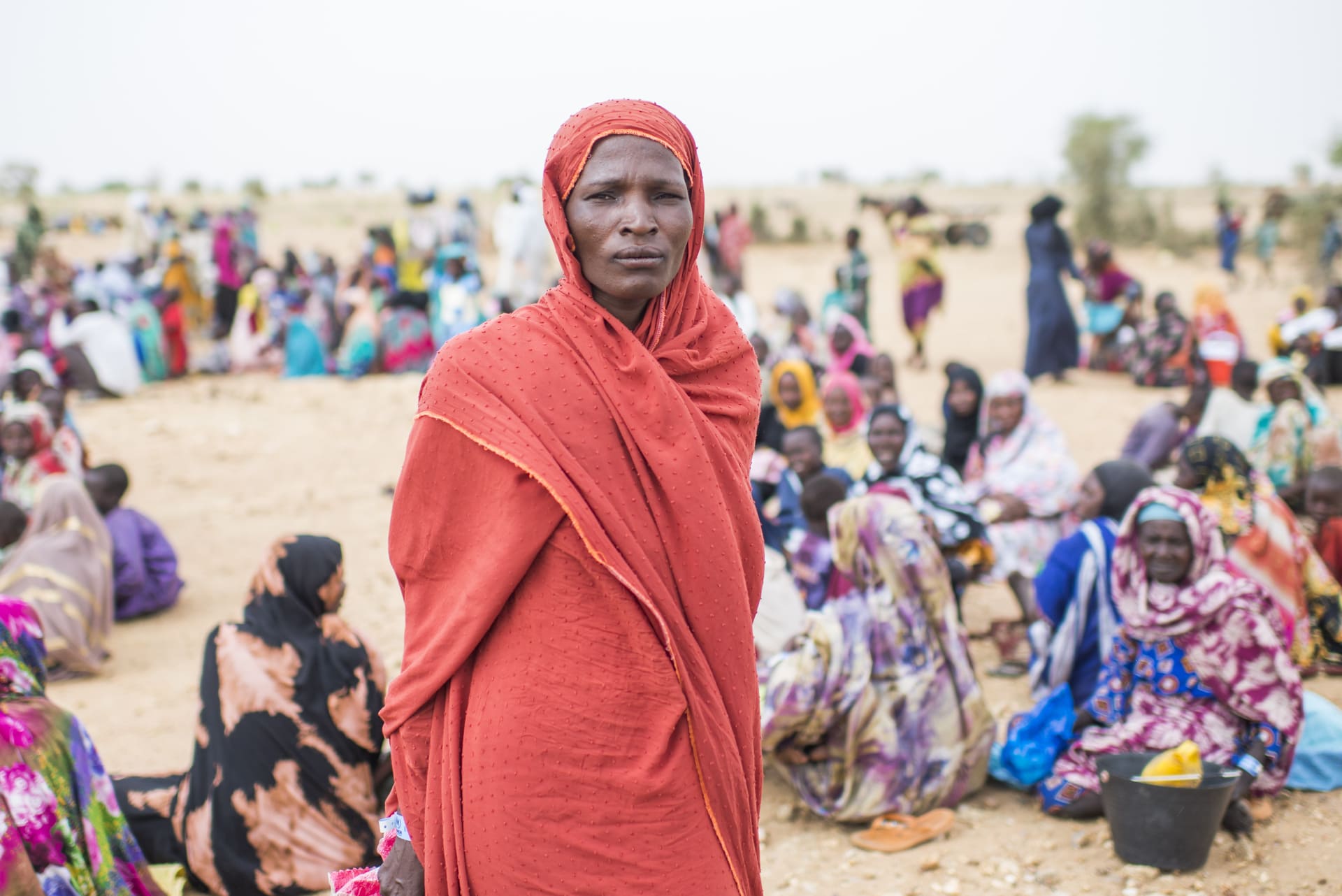
UNHCR’s presence in Sudan dates back to the 1960s, when the first officially recognized refugees arrived in eastern Sudan. Since then, the organization has maintained a continuous presence in the country, delivering life-saving assistance through direct response, cross-border operations, and remote monitoring. Since April 2023, the situation in Sudan has led to large-scale displacement, with more than 12 million people forced to flee their homes; 7.3 million within Sudan and over 4.2 million across borders into the Central African Republic, Chad, Egypt, Ethiopia, Libya, South Sudan, and Uganda. The situation has evolved into a regional emergency, placing significant pressure on host communities, stretching local services, and challenging the capacity of humanitarian systems as needs continue to grow. In response, UNHCR is supporting refugees, internally displaced people, and returnees by providing protection and essential humanitarian assistance.
Since its inception, the Nando and Elsa Peretti Foundation (NaEPF) has been committed to responding to humanitarian emergencies worldwide, with a focus on human dignity, resilience, and solidarity. NaEPF is supporting UNHCR’s life-saving response to the Sudan emergency through December 2026 with a multisectoral intervention addressing the most urgent needs identified in the field, with the objective of assisting approximately 2,500 people.
Life-saving activities includes:
- Shelter and core relief items: distribution of family tents, household kits, sleeping materials, cooking tools, and other basic items for families who have lost their homes.
- Protection services: counselling, protection monitoring, family tracing and reunification, support for unaccompanied children, and assistance for survivors of gender-based violence.
- Health and psychosocial support: primary health care, essential medicines, and psychological first aid for people affected by trauma or violence.
- Cash assistance: targeted financial support for the most vulnerable households when market conditions allow.
- Support in neighbouring countries: assistance with reception, registration, and relocation from border areas to safer sites, particularly in Chad, South Sudan, and Ethiopia.
In a context of protracted and complex emergency, this multisectoral response highlights the importance of sustained and coordinated action to uphold human dignity, reinforce protection systems, and support pathways towards greater stability for affected populations.