

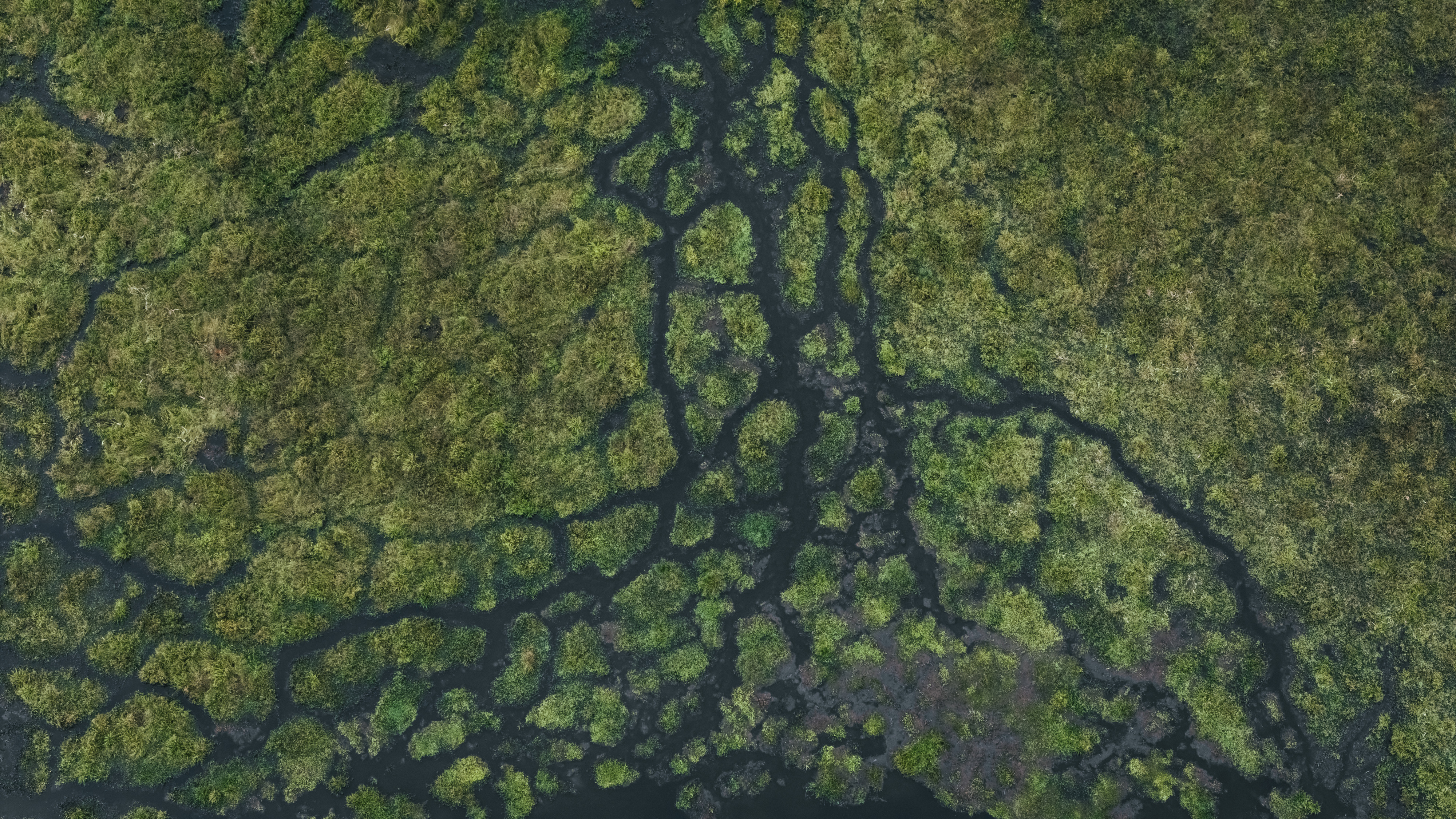
 ©All rights reserved Tim Benz / Zoo Zürich
Supporting Zoo Zurich in strengthening biodiversity conservation and community- based tourism in the Congo Basin
Founded in 1929, Zoo Zurich is a renowned zoological institution committed to nature conservation, species protection, research, and education. The institution actively supports and participates in international programs focused on breeding endangered species and restoring natural habitats through in-situ conservation efforts. All its conservation initiatives emphasize sustainability by enhancing the livelihoods of local communities.
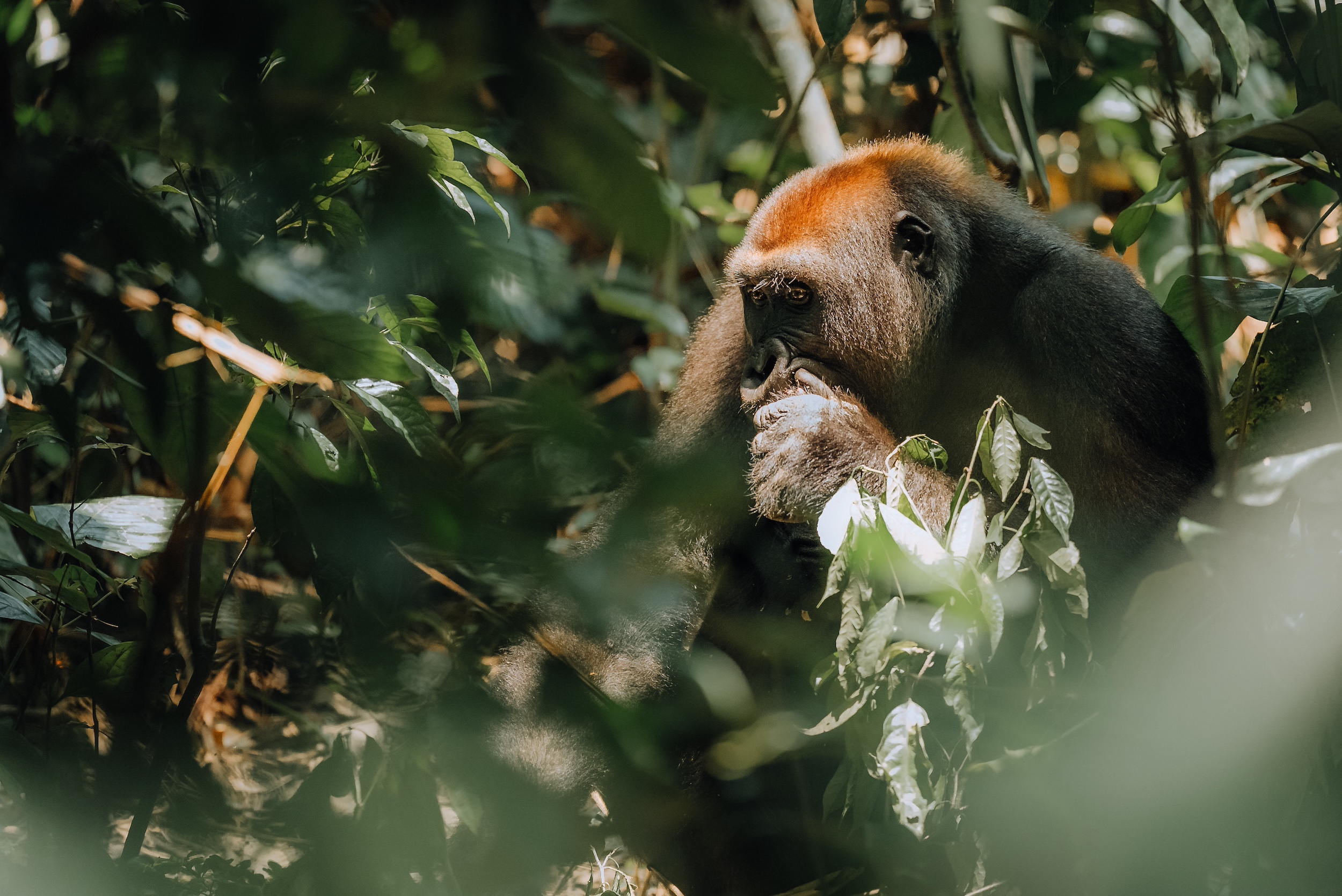
Zoo Zurich has a long history of partnering with the Wildlife Conservation Society (WCS) to achieve conservation outcomes in critical landscapes around the globe. Recently, Zoo Zurich and WCS entered into a new cooperation focused on protecting biodiversity, habitats, and the support of the local communities in the Republic of Congo, with particular emphasis on the integrated management of Nouabalé-Ndoki National Park (NNNP) and the western lowland gorilla as a flagship species. Zoo Zurich contributes to park management and to the development of responsible tourism. At the same time, Zoo Zurich is planning a new habitat called Ndoki Forest, designed to increase public awareness of rainforest conservation and the protection of western lowland gorillas.
The Congo Basin is the world’s largest tropical carbon sink and one of Africa’s most important biodiversity strongholds, playing a vital role in global climate regulation while sustaining the livelihoods of millions of forest-dependent people. Yet this exceptional ecosystem is under growing pressure from industrial expansion and small-scale economic development, with consequences for both biodiversity and the rights and livelihoods of indigenous peoples and local communities.
At the heart of this region, Nouabalé-Ndoki National Park (NNNP) protects an exceptionally intact area of contiguous lowland rainforest within the Sangha Tri-National World Heritage Site. Together with the Lac-Télé Community Reserve and the Peripheral Ecosystem Management Project, it forms the wider Ndoki-Likouala landscape in northern Congo. Extending across approximately 34,000 km², this largely unfragmented ecosystem supports globally significant populations of western lowland gorillas, chimpanzees, and forest elephants, alongside remarkable mammal and bird diversity. In 2023, NNNP became the first site in the world to be recognised for ecological integrity under the Key Biodiversity Area standards.
Despite its high level of ecological integrity, pressures on the surrounding area continue to grow. Approximately 51,000 people live in the forestry concessions around the park, making their participation essential to its long-term conservation. Wildlife populations remain vulnerable to poaching, unsustainable hunting for wild meat, infectious disease, and increasing human access associated with logging roads and infrastructure development. Limited governance capacity and economic alternatives can further intensify these pressures, underscoring the importance of an approach that combines biodiversity protection with stronger local livelihoods and meaningful community participation.
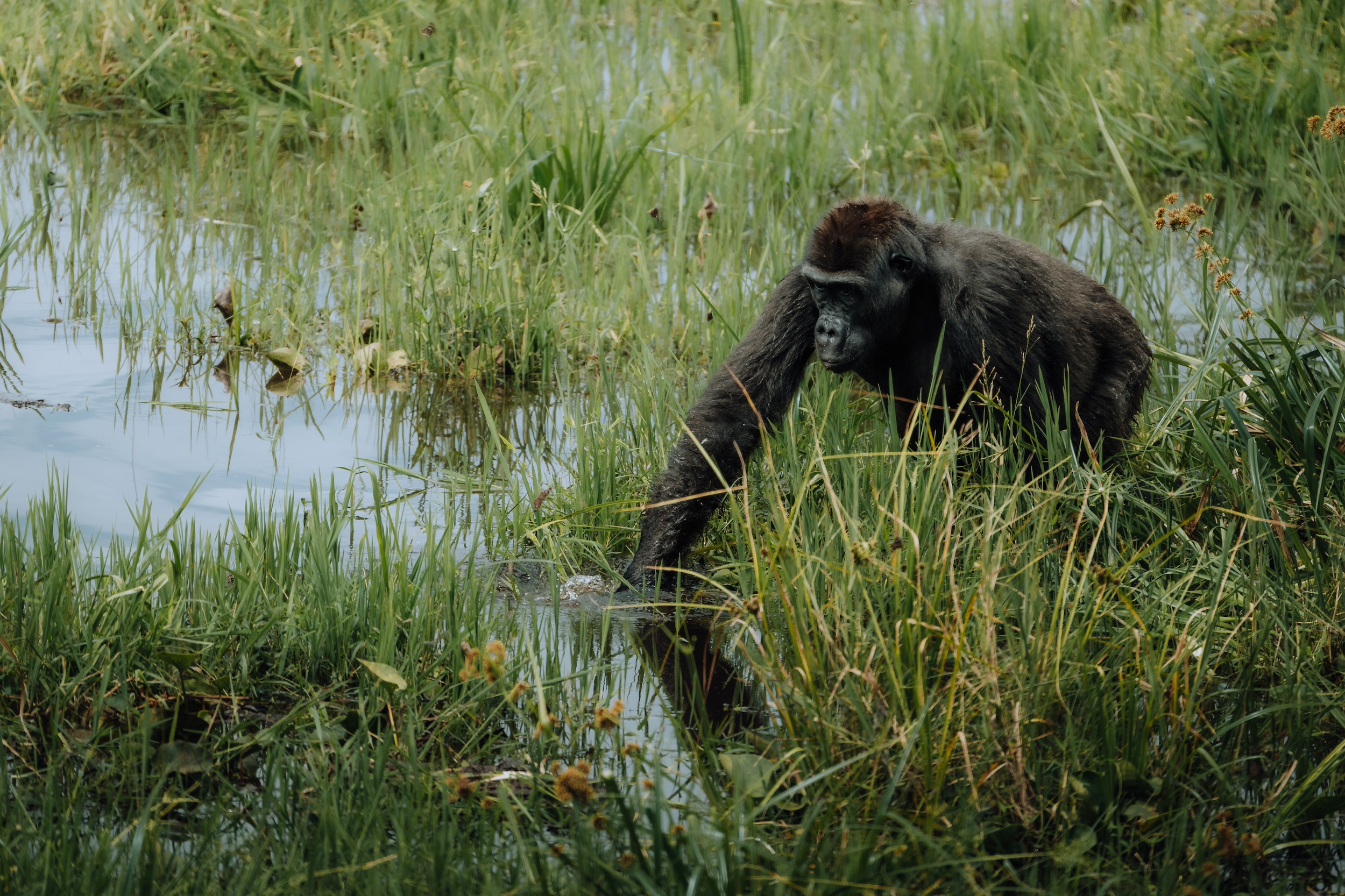
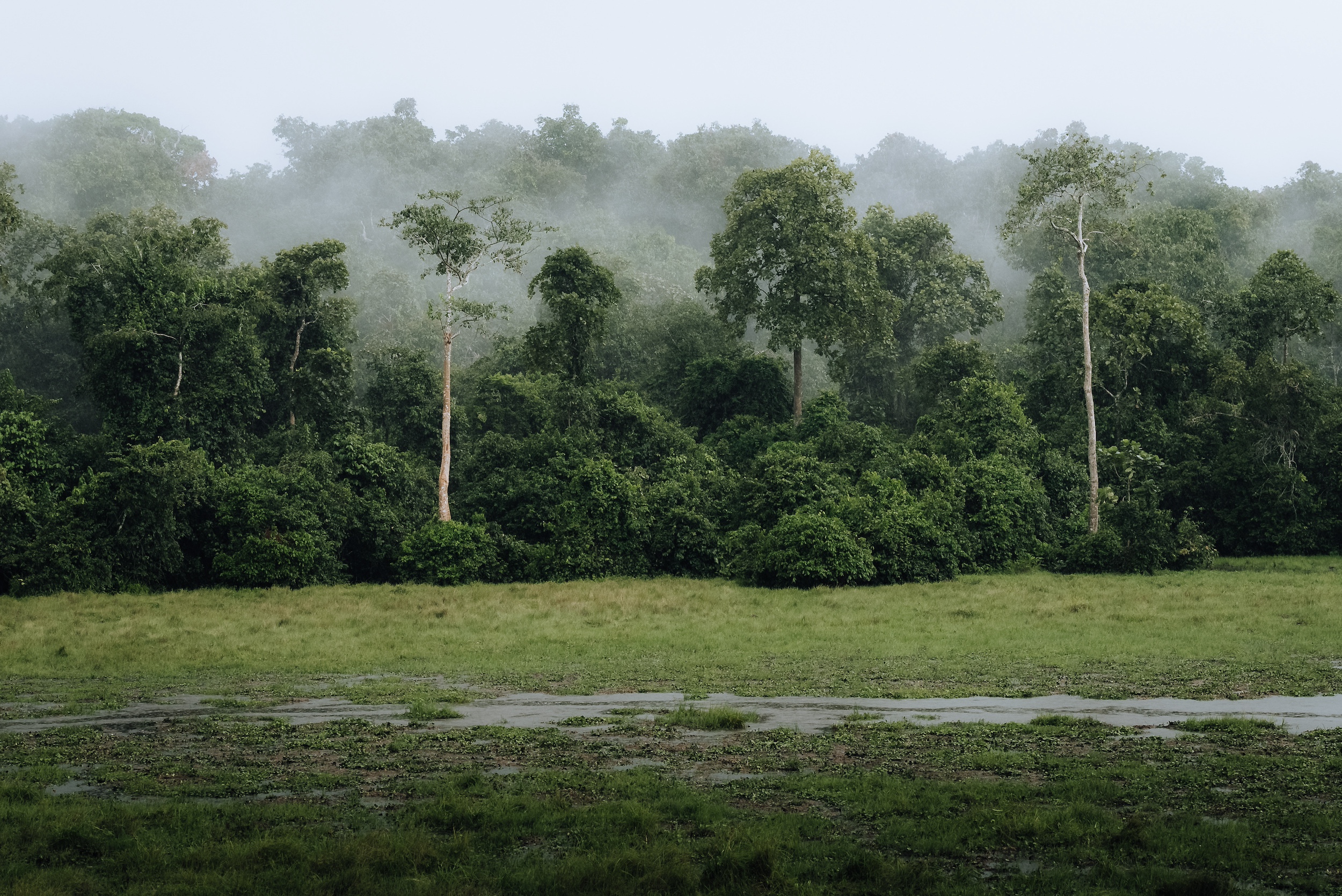
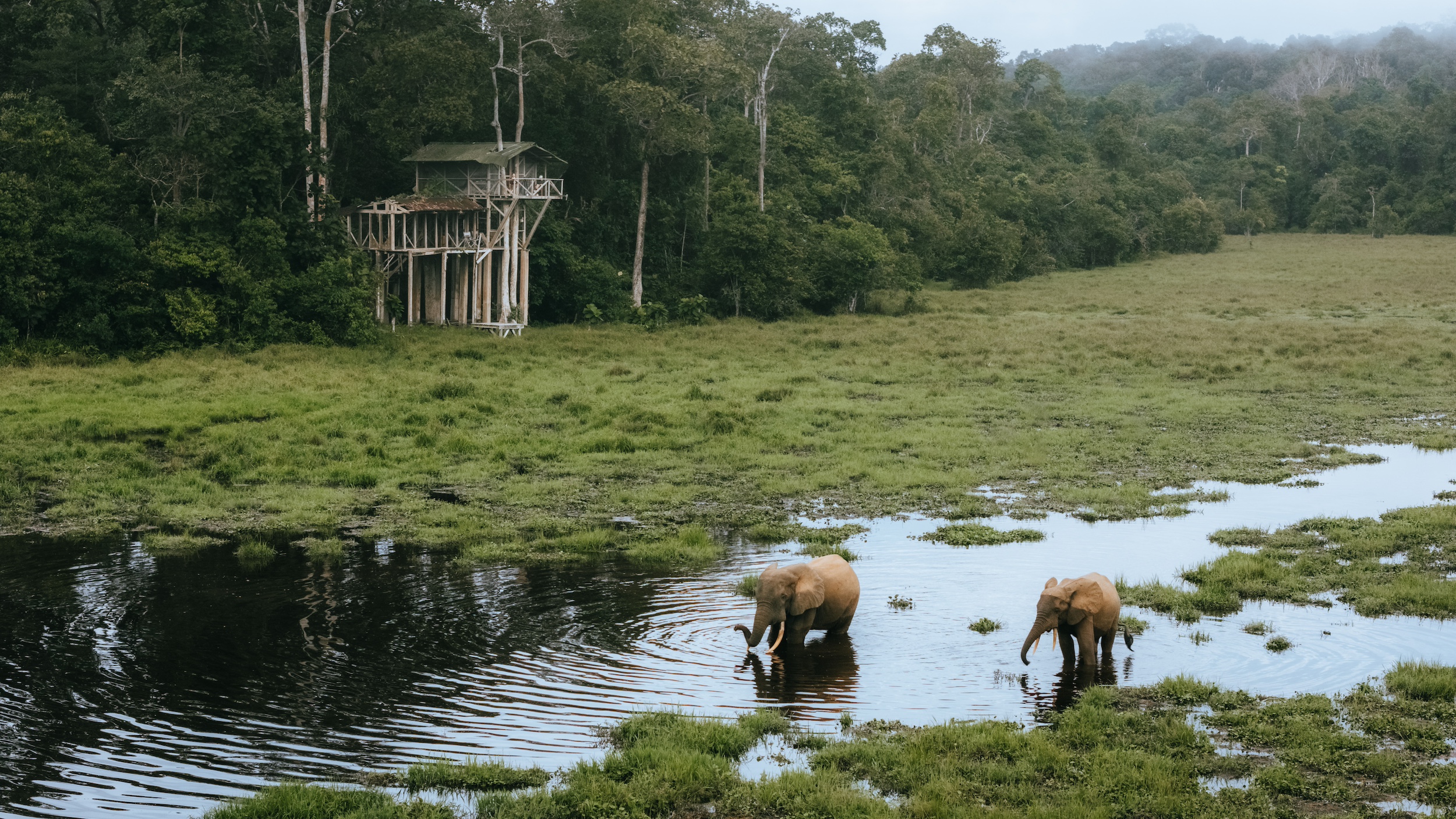
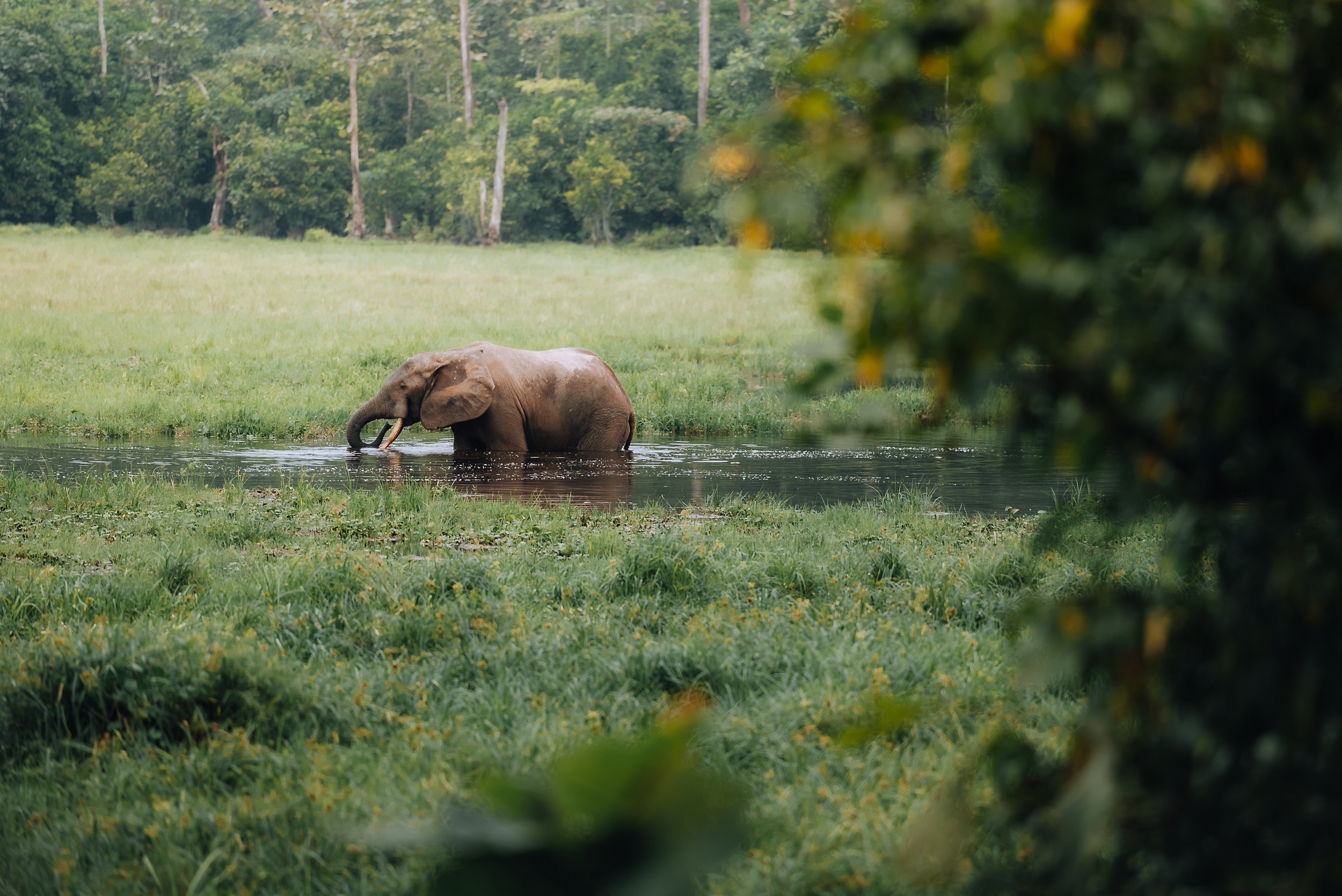
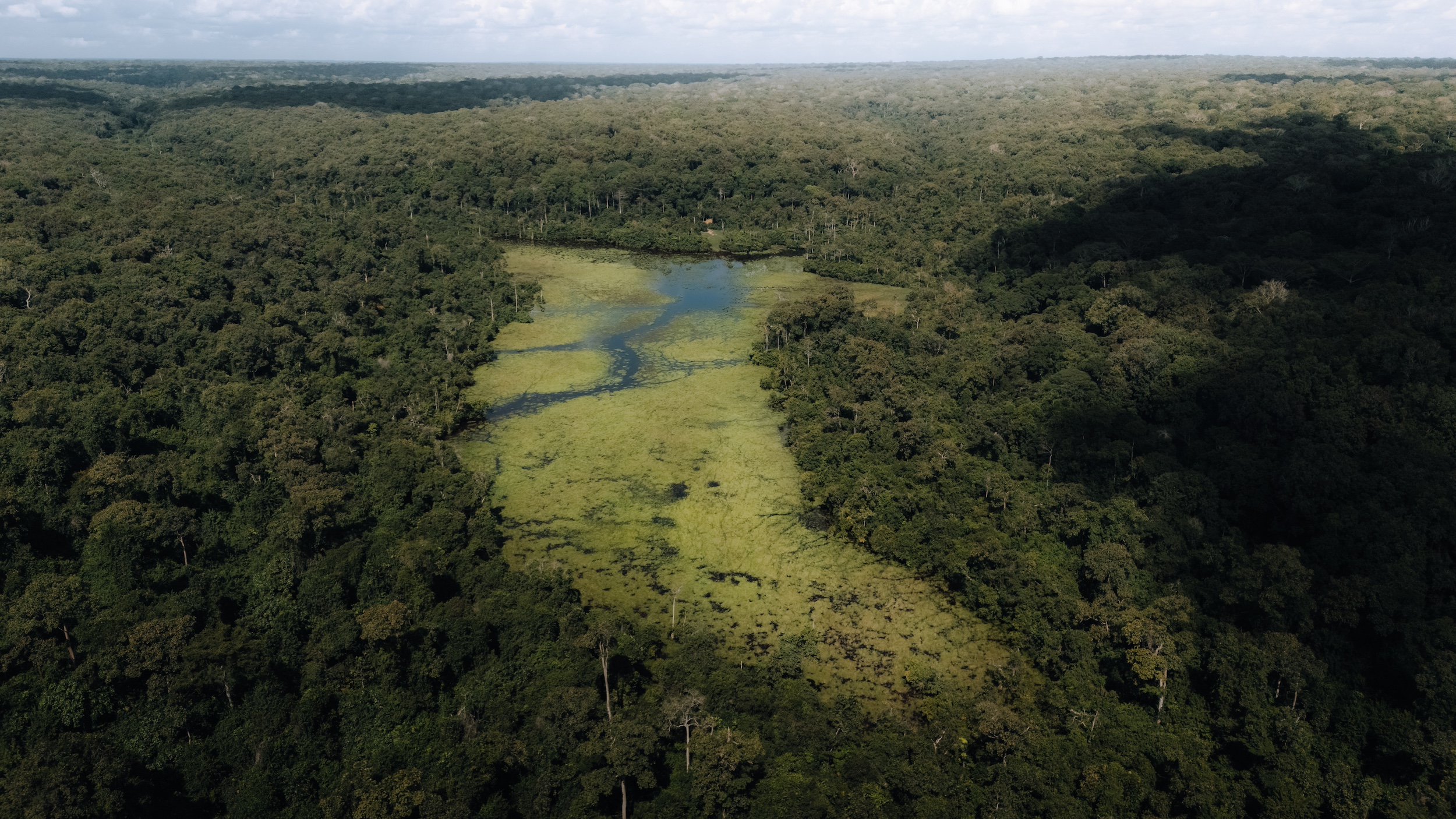
WCS has worked with the Government of the Republic of Congo for three decades and, since 2014, has managed NNNP under a long-term collaborative agreement. This framework has enabled the professionalisation of park operations, the strengthening of ranger deployment and infrastructure, and the development of a more integrated approach to conservation and protected-area management.
Building on its commitment to promoting a balanced relationship between people and nature, the Nando and Elsa Peretti Foundation (NaEPF) supports Zoo Zurich’s conservation work in the Congo Basin, extending a partnership that also includes the ecological restoration and reforestation of a critical forest corridor in Makira Natural Park, Madagascar. Through this new support, the NaEPF supports the development of a wildlife-based tourism model for Nouabalé- Ndoki National Park. The initiative aims to generate a sustainable source of financing for protected-area management while creating equitable economic opportunities for indigenous peoples and local communities living around the park.
The project works across three complementary areas. First, it will strengthen tourism and research infrastructure, including the reconstruction of the Mbeli Bai viewing platform, one of NNNP’s most important sites for wildlife observation, research, and environmental education. Second, it will expand wildlife-based tourism and scientific opportunities through the continued habituation of western lowland gorilla groups at Mondika, helping create a long-term pipeline for responsible tourism and research. Third, it will invest in local capacity, providing training and professional development to strengthen community participation in conservation, tourism, and environmental education.
By linking tourism development directly to conservation objectives, the project seeks to create a model in which biodiversity protection and local economic opportunity reinforce one another. In the longer term, the initiative aims to establish wildlife-based tourism as a reliable source of revenue for the management of Nouabalé-Ndoki National Park, while strengthening local skills, participation, and livelihoods. By combining conservation, research, tourism, and community development, the project contributes to the protection of one of the Congo Basin’s most important rainforest landscapes while creating stronger incentives for its preservation over time.
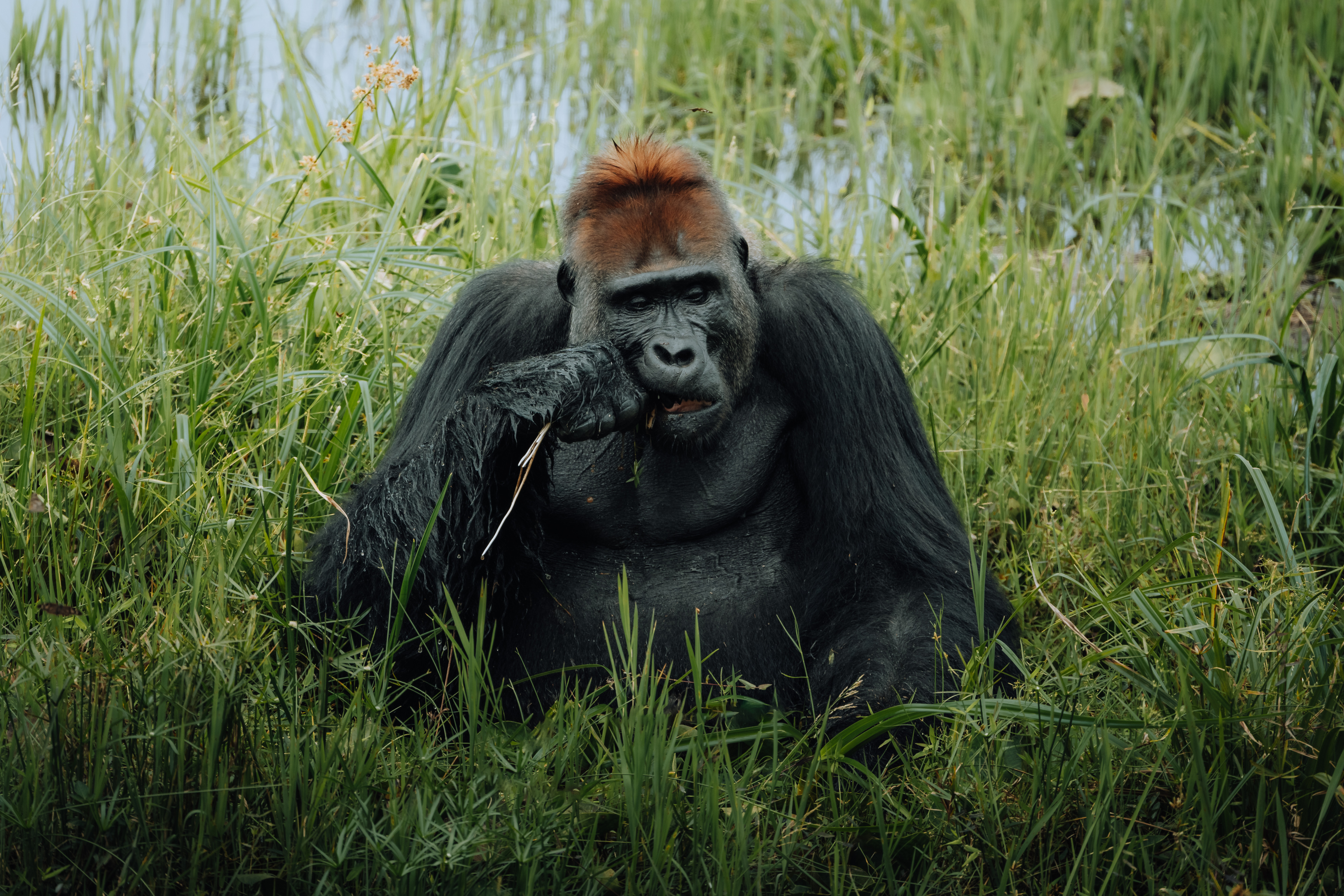 Westlicher Flachlandgorilla Gorilla, Nouabalé-Ndoki National Park (NNNP) ©All rights reserved Tim Benz / Zoo Zürich
